
Tierra, mujer, vidaFöld, nő, életEarth, Woman, Life
Entre los brazos de los sueñosÁlmok ölelésébenIn the Embrace of Dreams
Aquí… y, sin embargo, en otra parte.Itt… és mégis máshol.Here… and yet elsewhere.
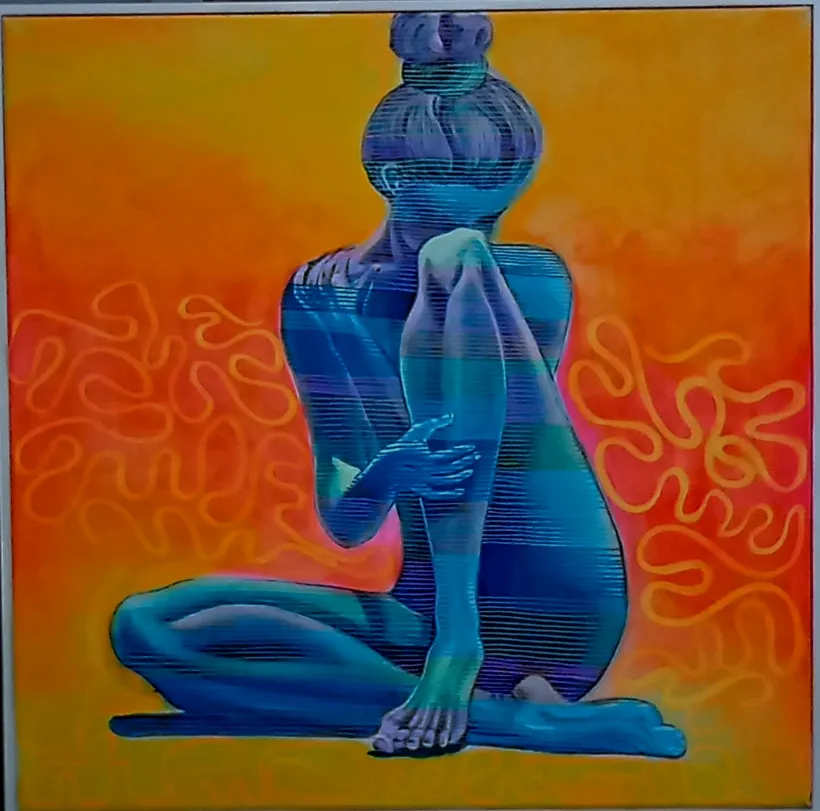
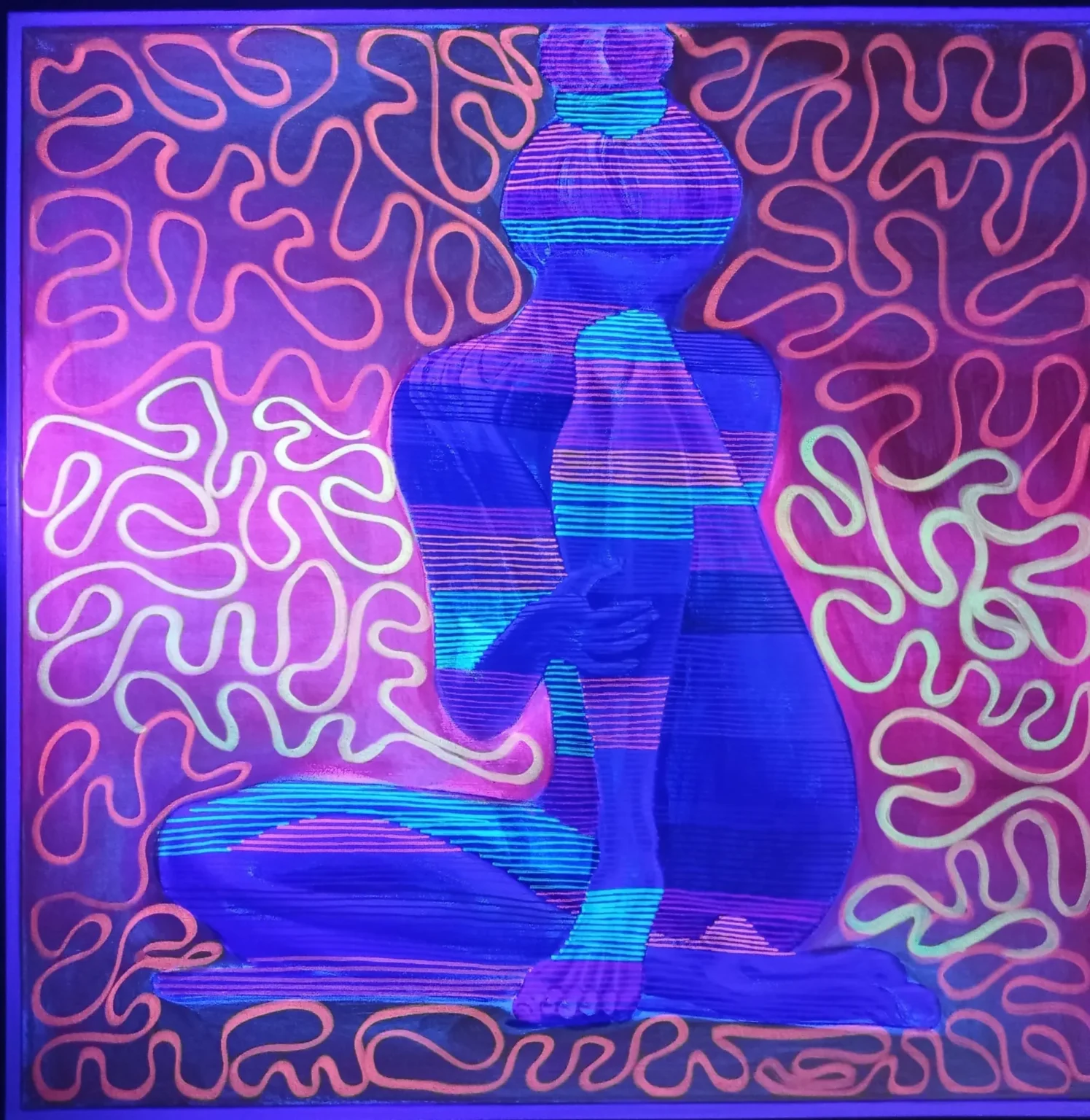
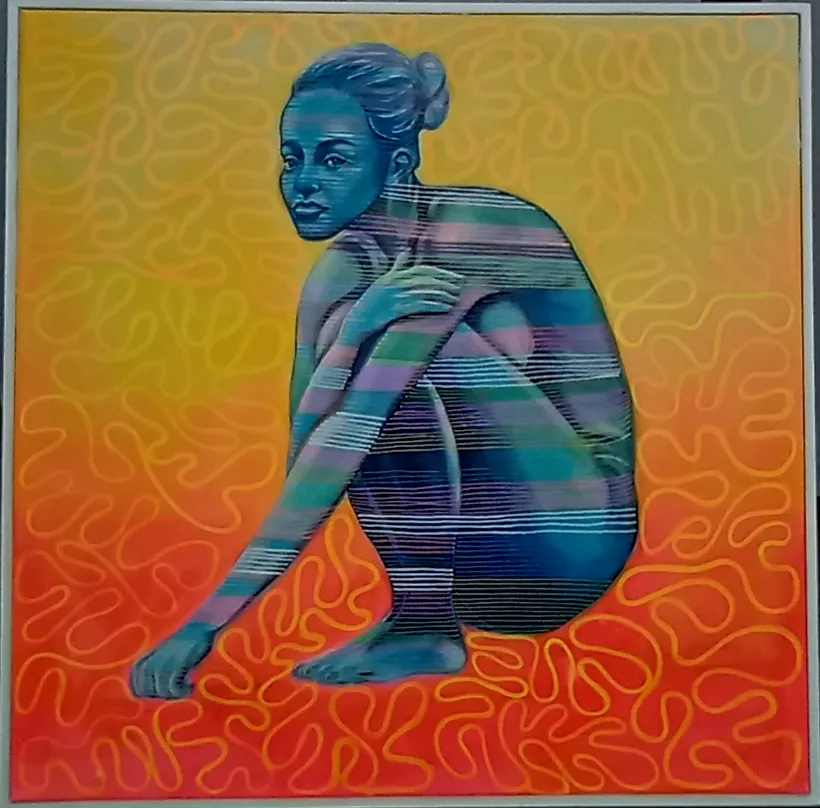
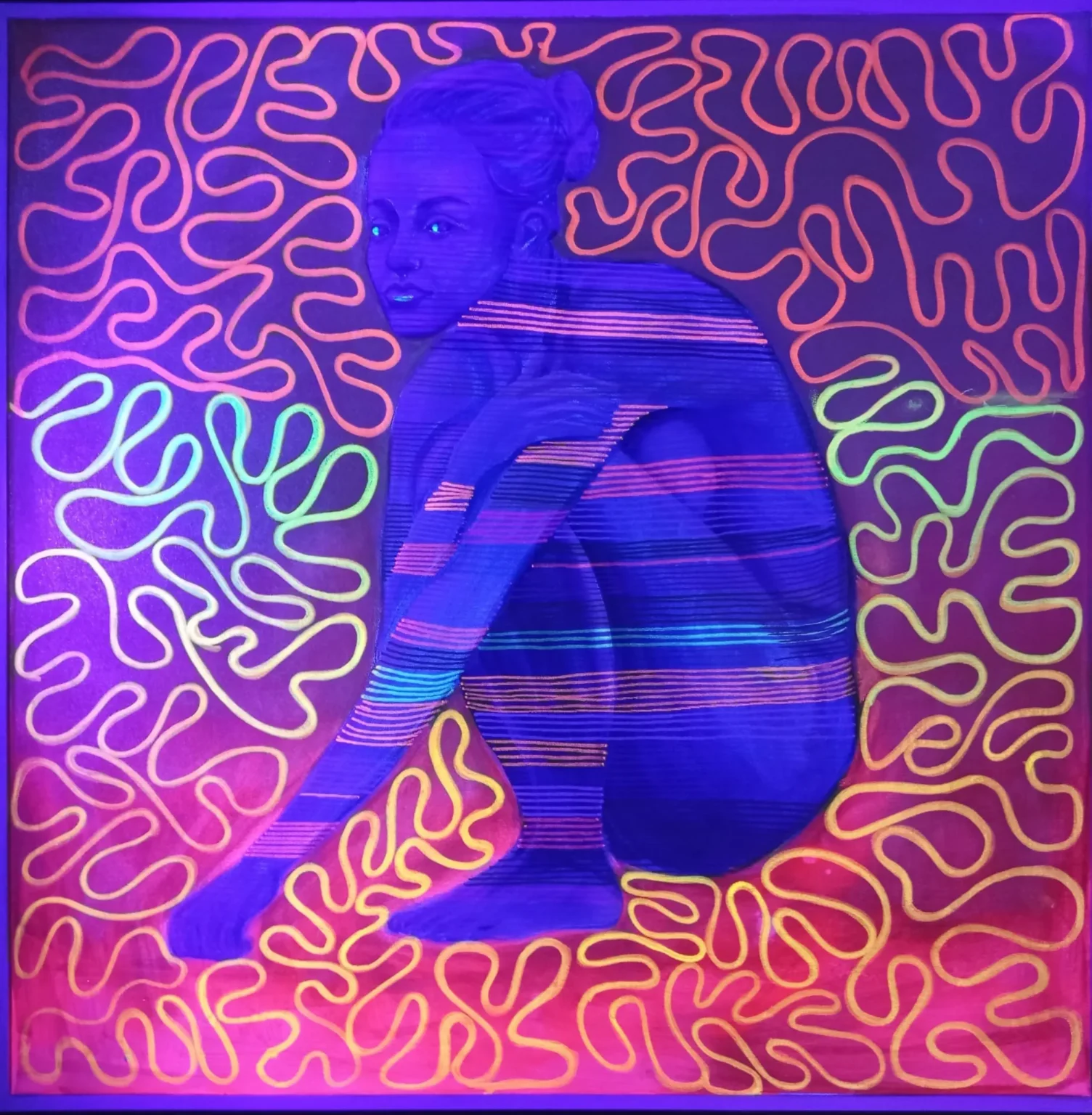
Copia defectuosa I, II, III, IV.Hibás másolat I, II, III, IV.Defective copy , II, III, IV.
DesvalorizaciónLeértékelődésDevaluation
Detrás de la máscaraMaszk mögöttBehind the mask
El descanso del almaA lélek pihenőjeThe Soul's Rest
En voz alta-Absorta-SilenciadaHangosan – Elmélyülve – ElnémítvaLoudly – Deeply – Muted
Entre ondas y circuitosHullámok és áramkörök közöttBetween waves and circuits
Guarda silencioMaradj csendbenKeep silent
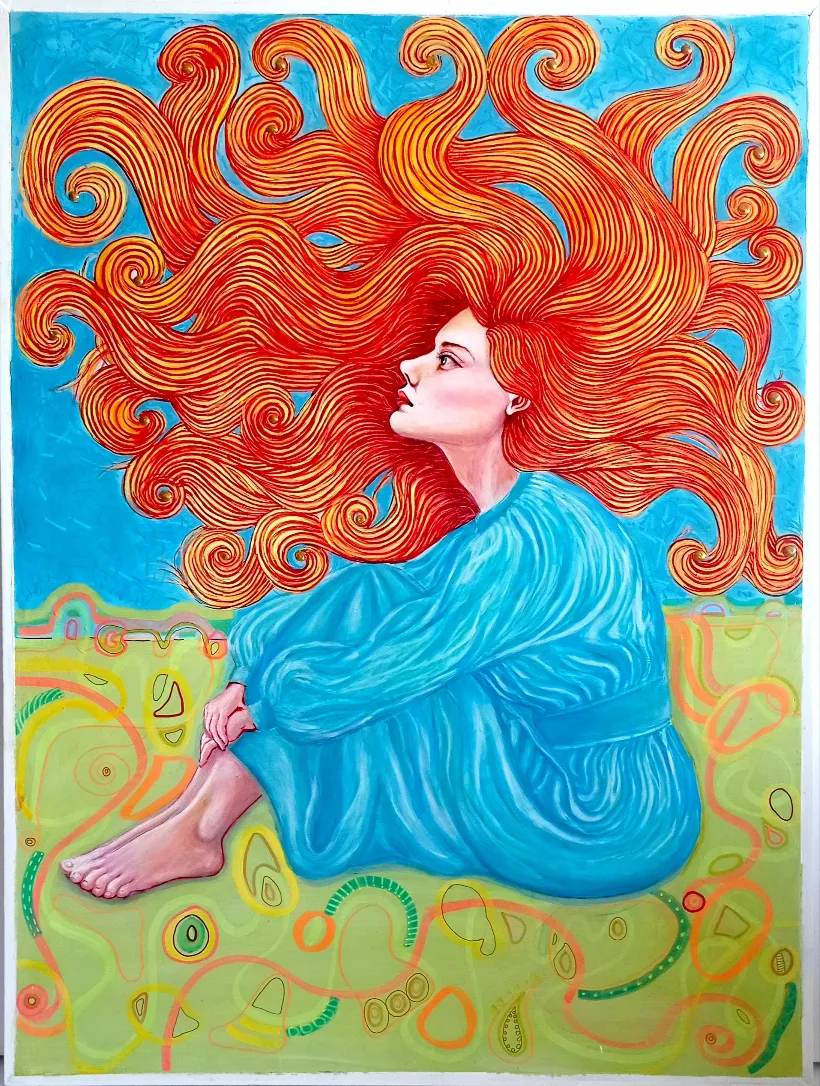
La fuerza de la visiónA látás erejeThe Power of Vision
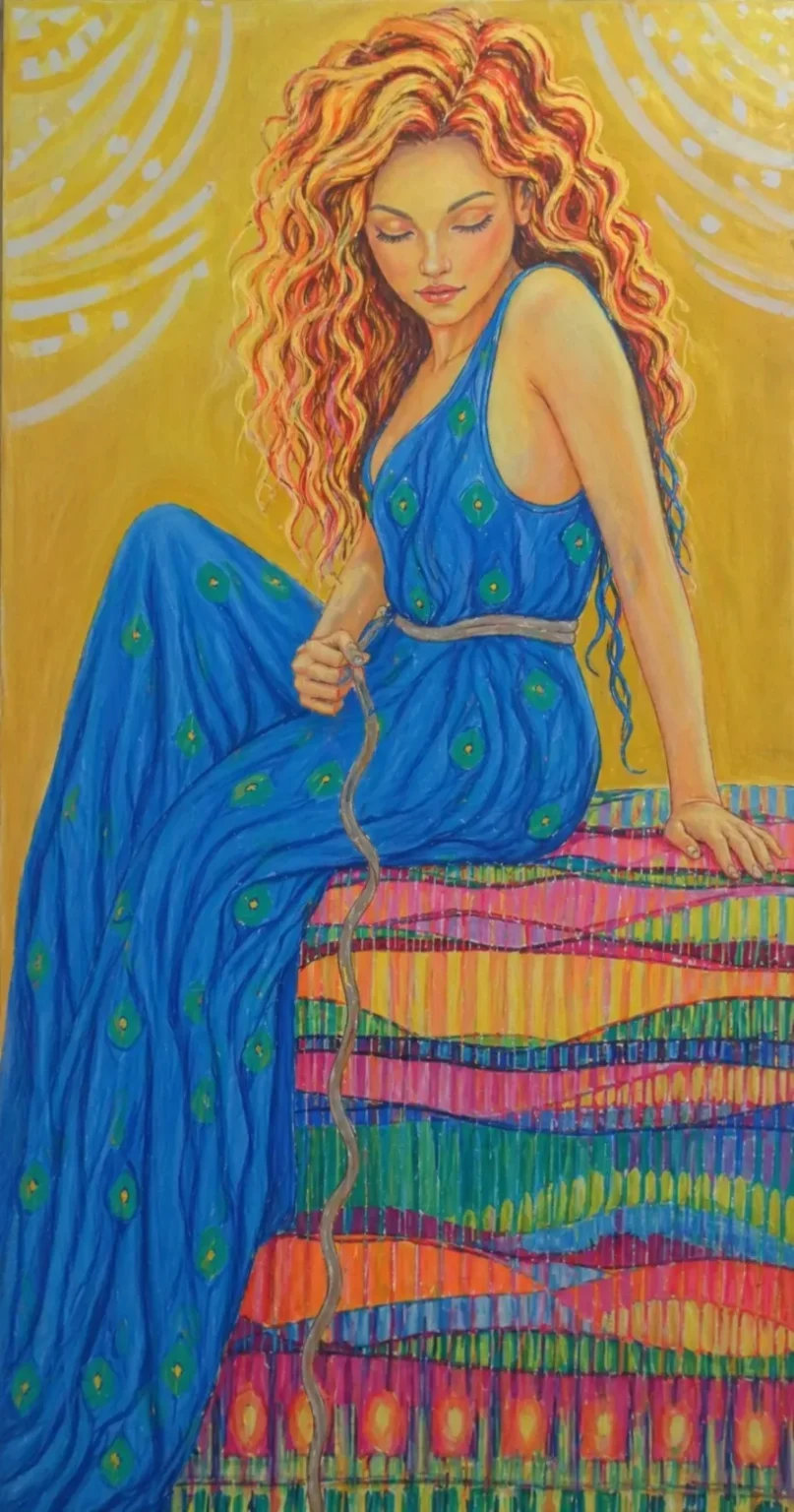
No hace falta nacer reinaNem kell királynőnek születniYou Don't Have to Be Born a Queen
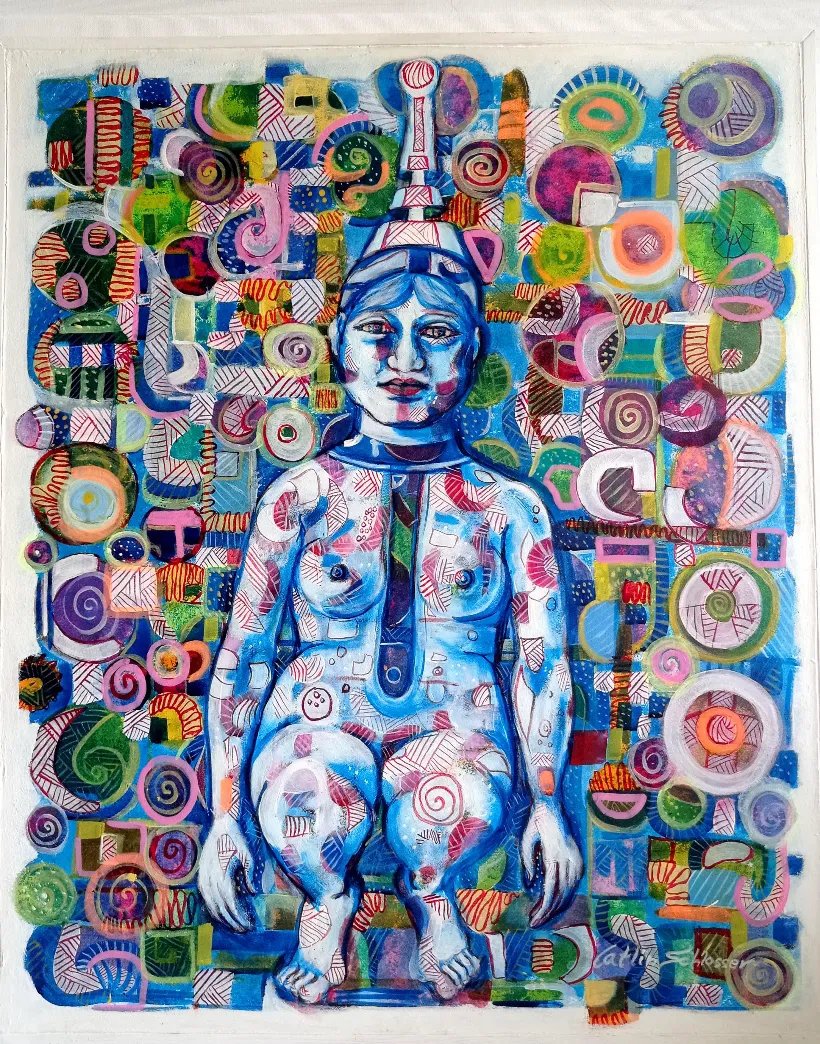
Silencio ancestralŐsi csendAncient silence
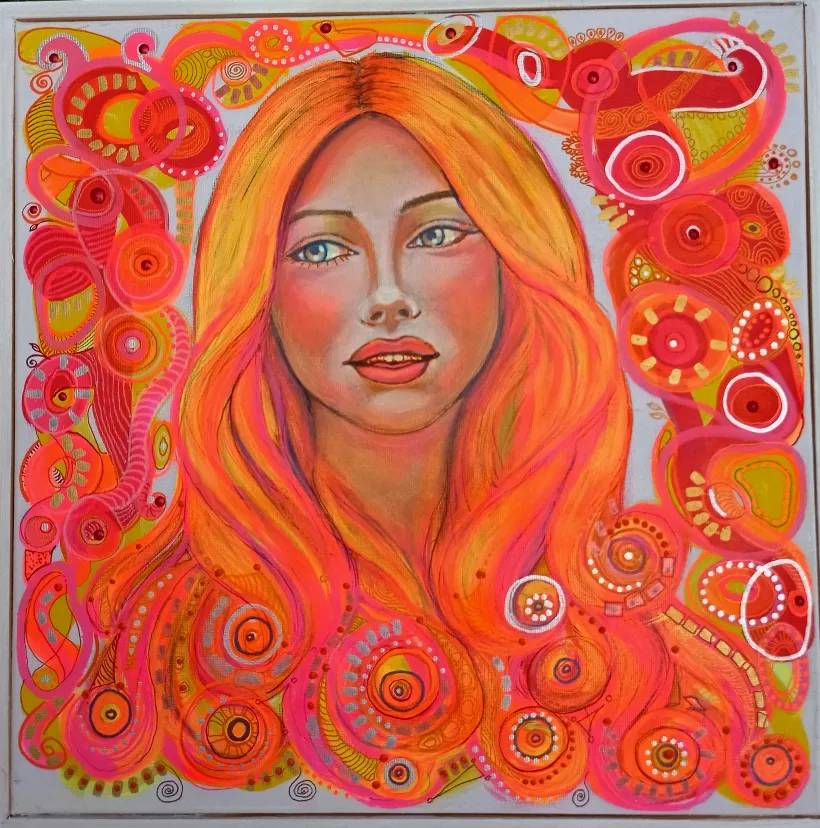
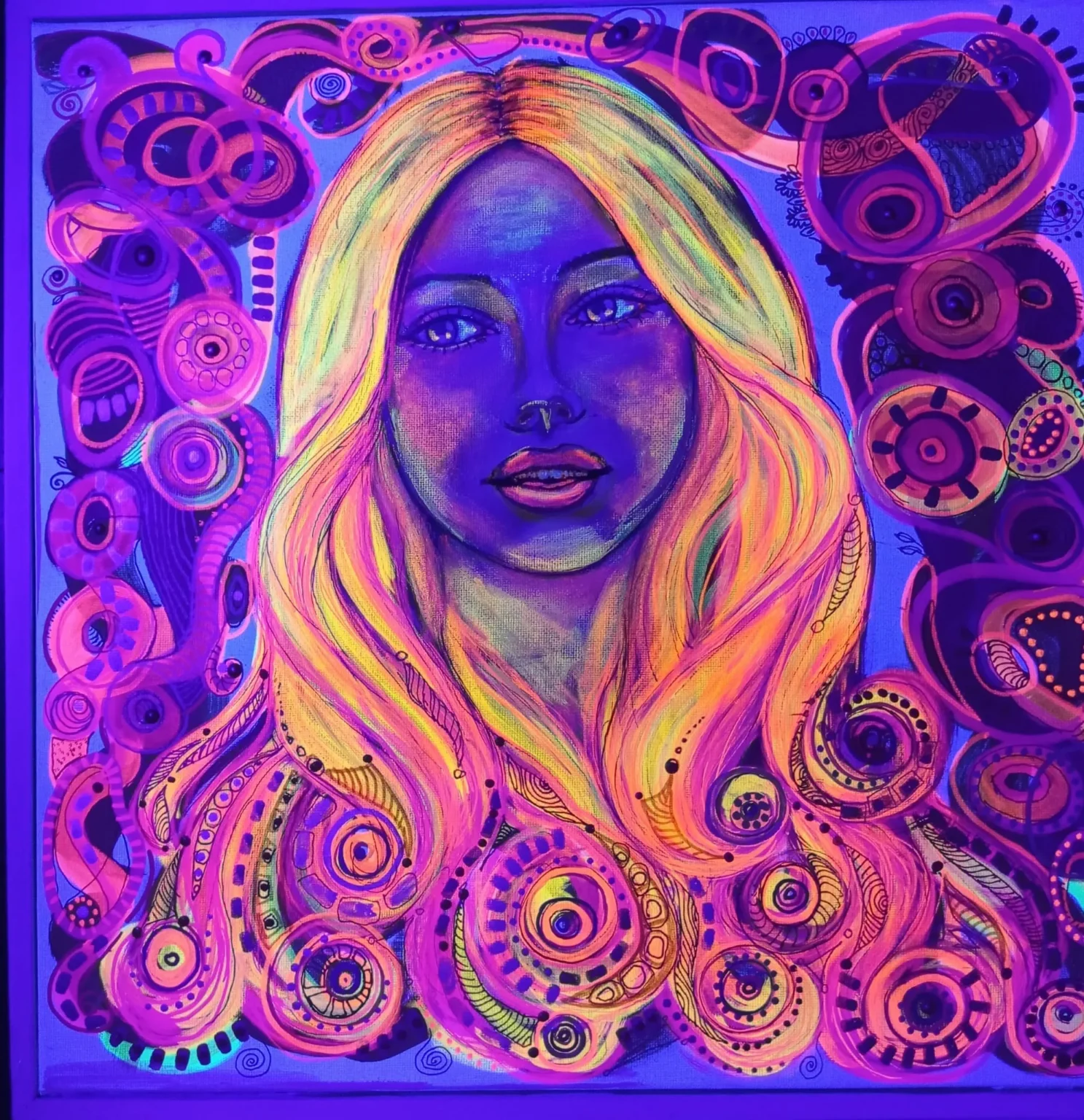
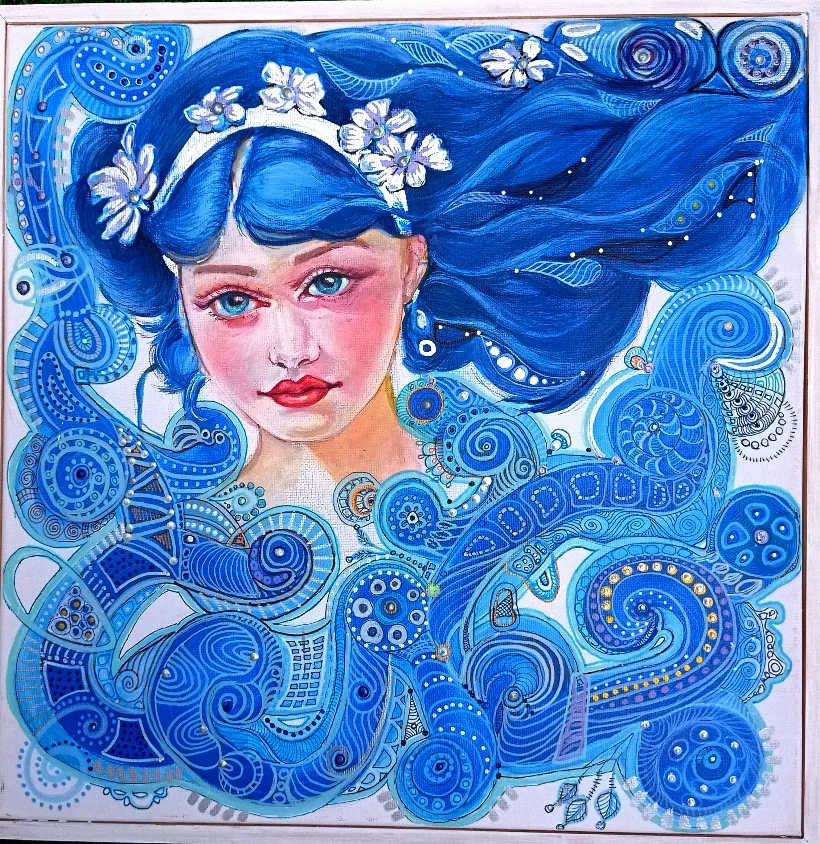
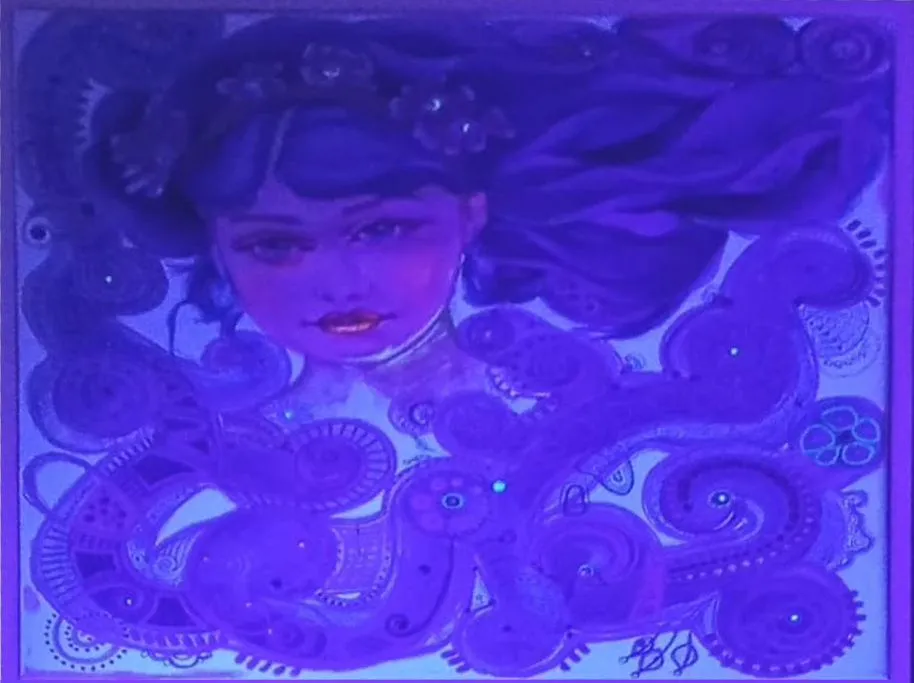
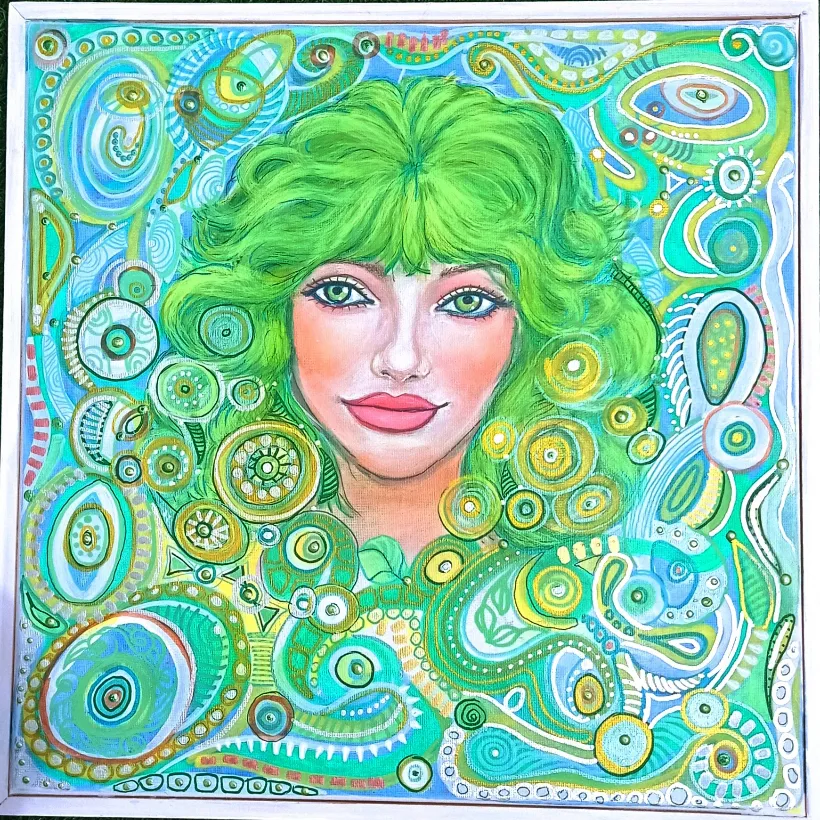
Tres mujeres, tres almas, tres tiemposHárom nő, három lélek, három időThree Women, Three Souls, Three Times
Cautiva por la bellzaA szépség rabul ejtiCaptivated by beauty
The three gracesThe three gracesThe three graces
La prisión del almaA lélek kalodájaThe Soul’s Prison
El libro de la naturalezaA természet könyveThe Book of Nature
Rompiendo moldesFormabontóBreaking the Mould
La Madre Tierra floreceAnyaföld virágba borulMother Earth in Bloom
Milagro múltipleTöbbszörös csodaMultiple Miracle

TierraAnyaföldEarth
La promesa del díaA nap ígéreteThe Promise of the Day
La armonía de las vibraciones I. II. III.A vibrációk harmóniája I. II. III.The harmony of vibrations I. II. III.
TripticoTriptychonTriptych
La «evolución» de los juguetesA gyermekjátékok „evolúciója”The “evolution” of toys
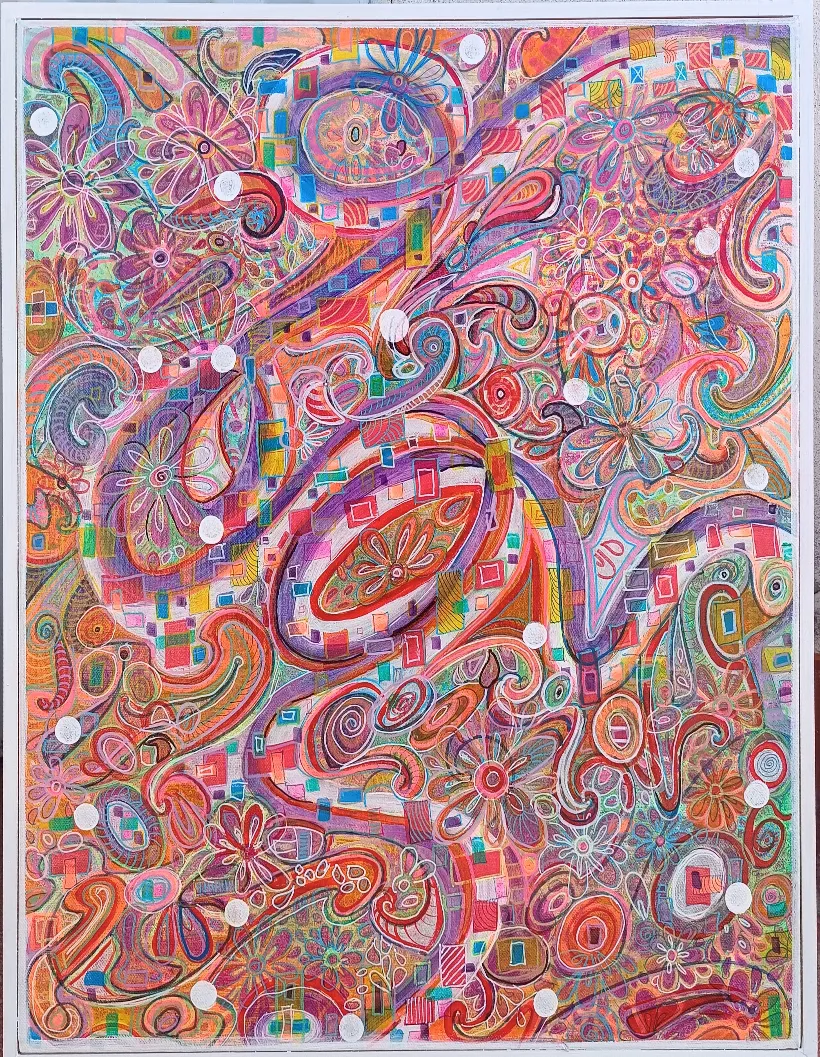
Tuve un hermoso sueñoGyönyörű álmom voltI Had a beautiful dream
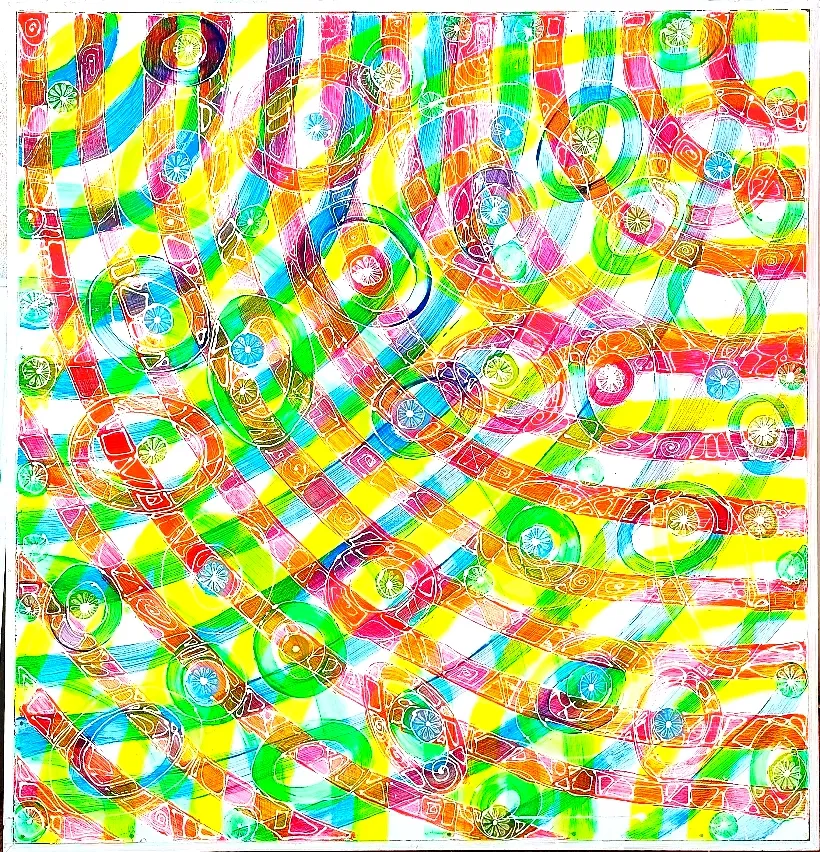
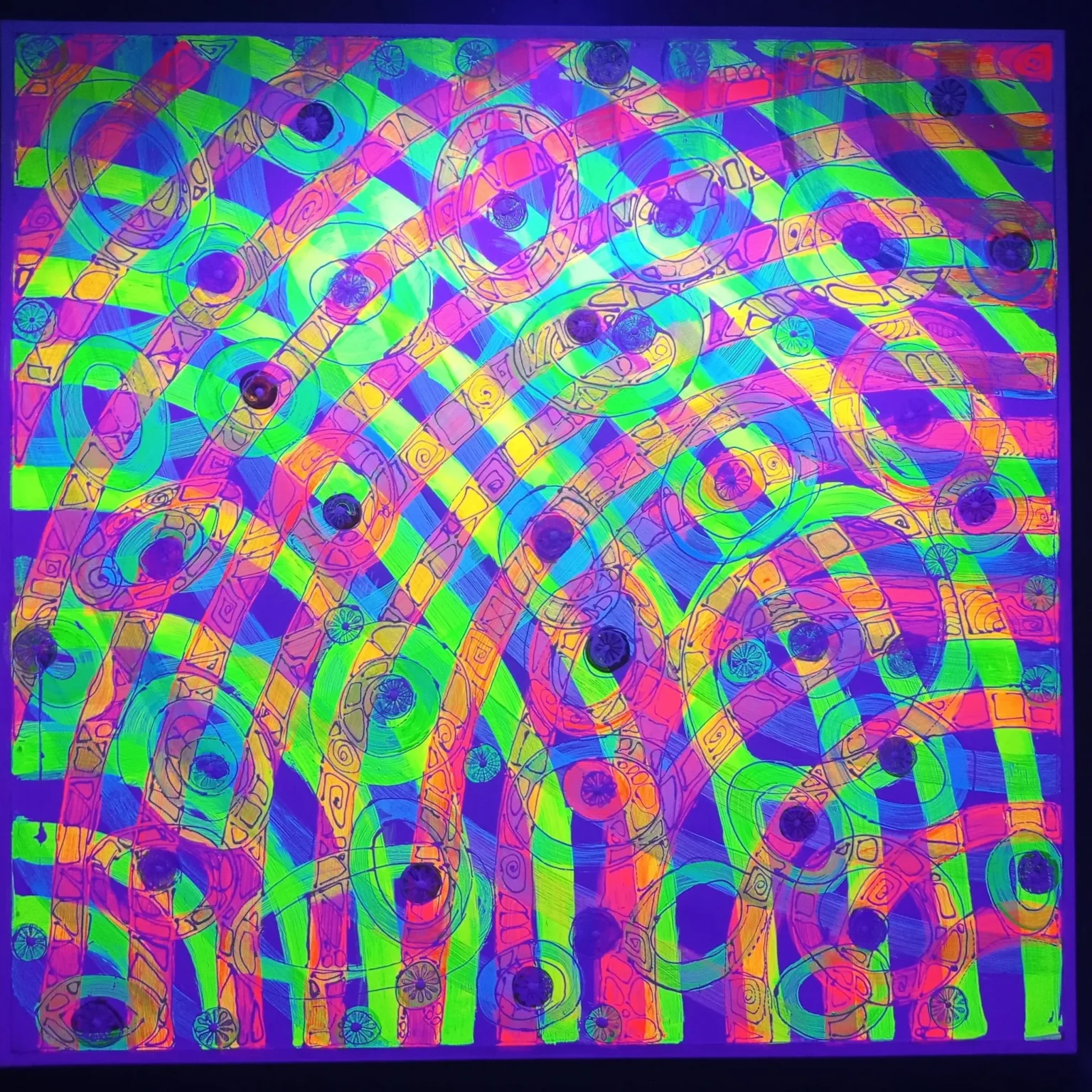
Resonancia de luzFényrezonanciaLight resonance
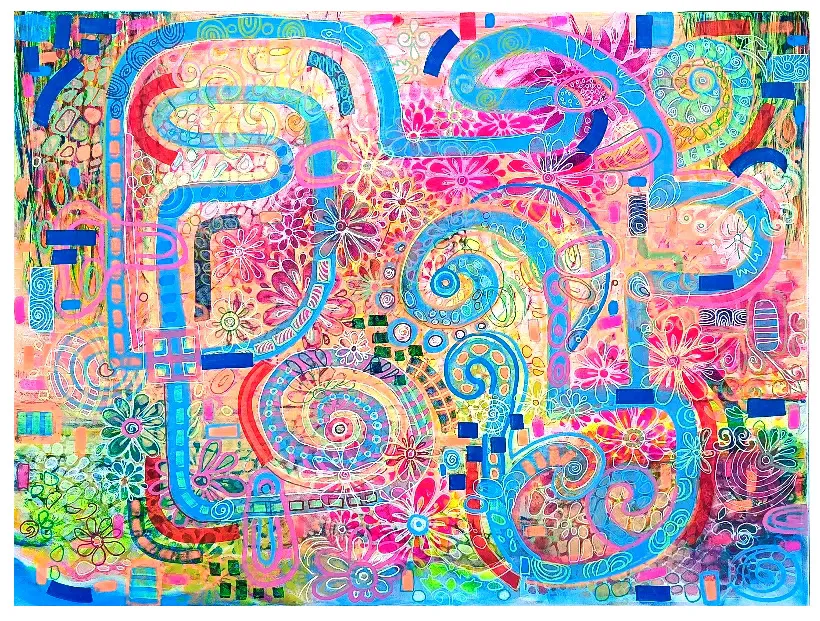
Detrás de las floresA virágok belsejébenInside the flowers
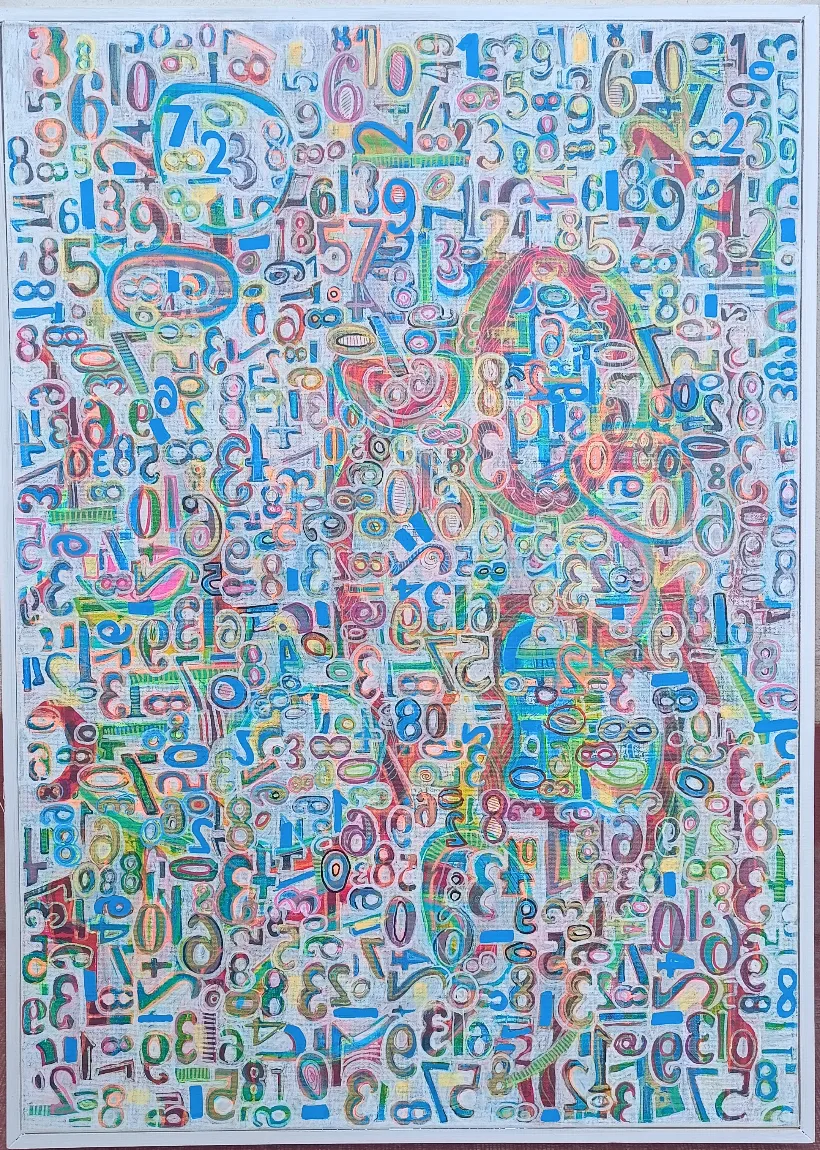
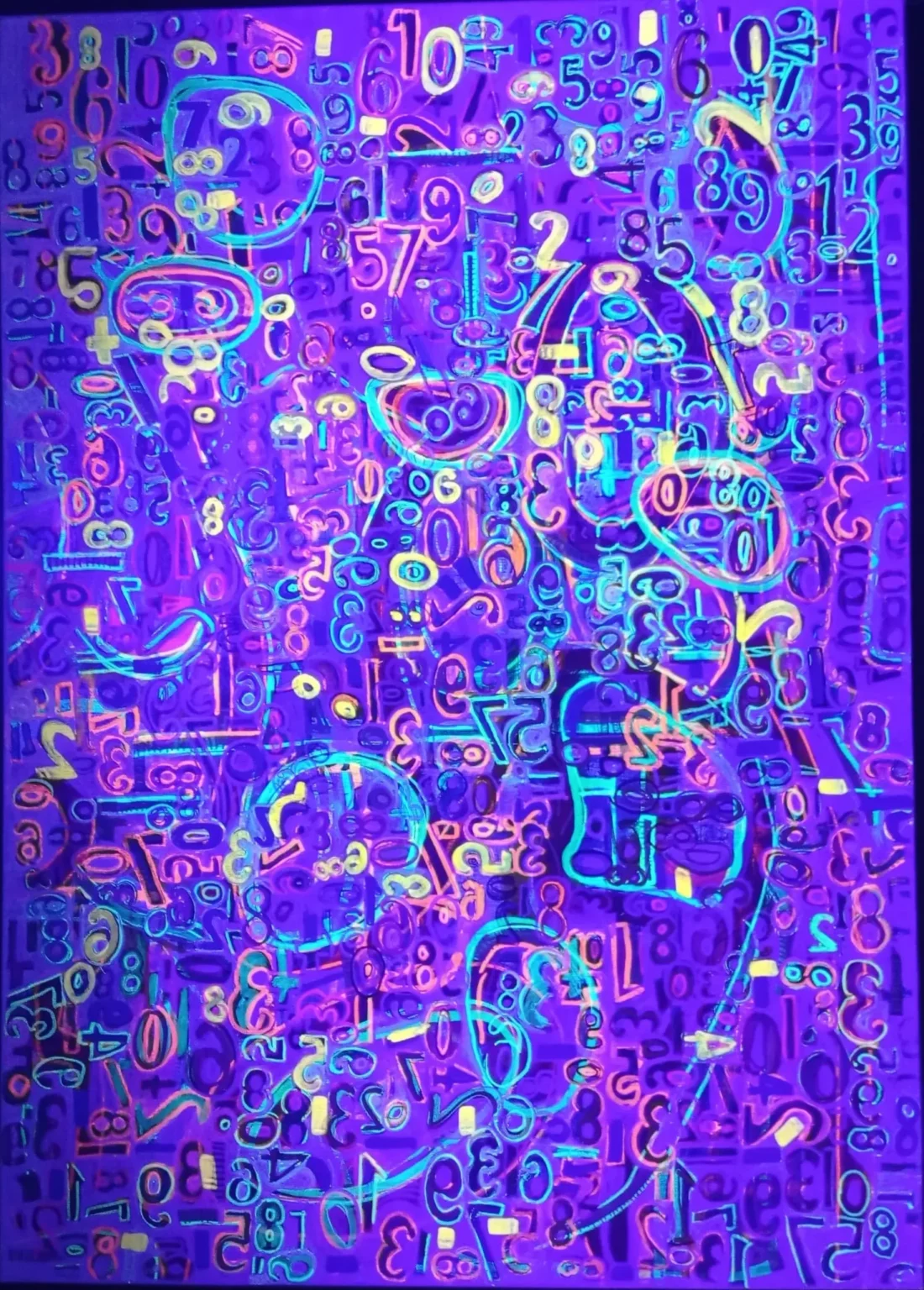
En las garras de los númerosA számok karmai közöttIn the claws of numbers
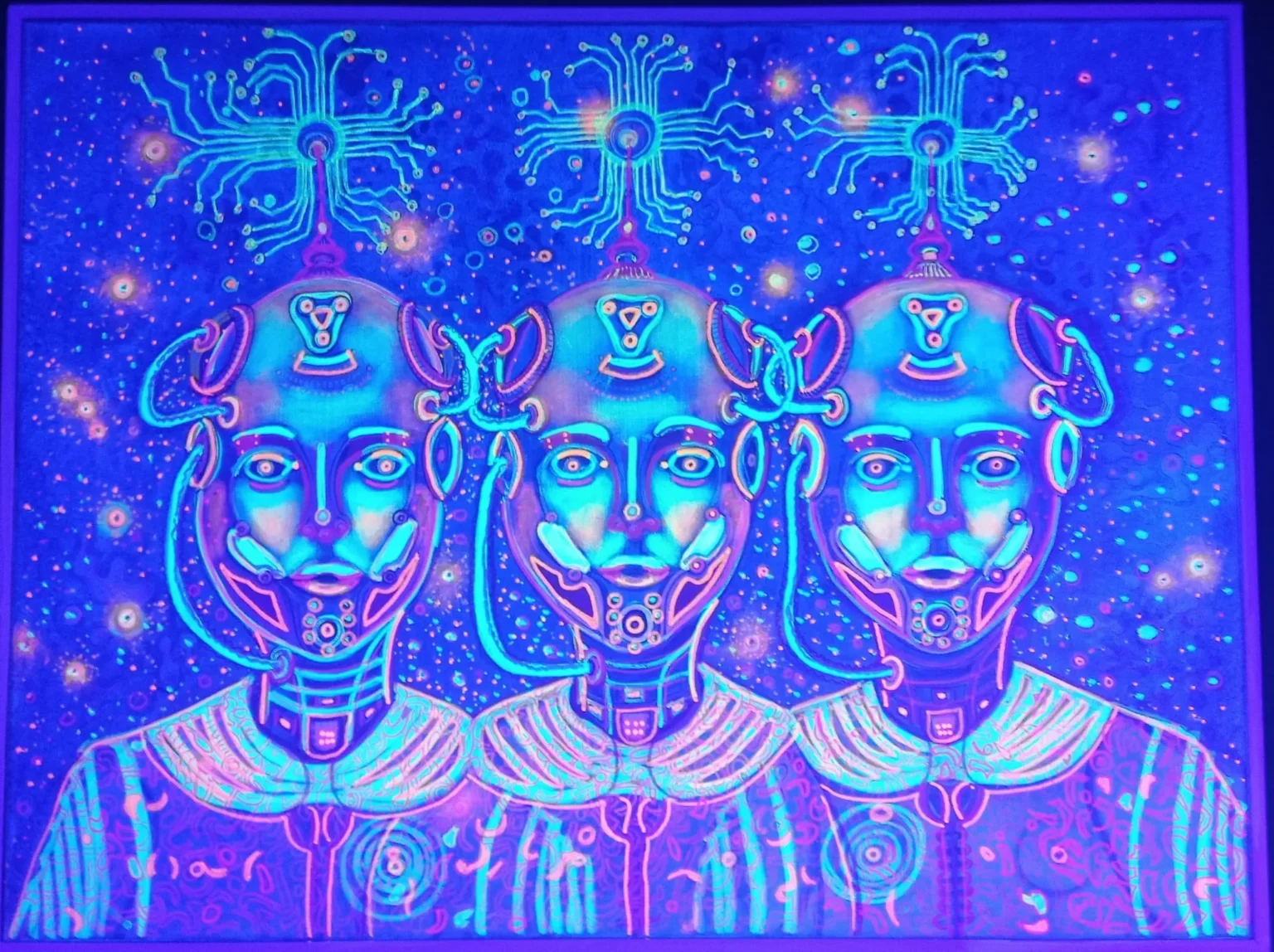
HumanoidesHumanoidokHumanoids
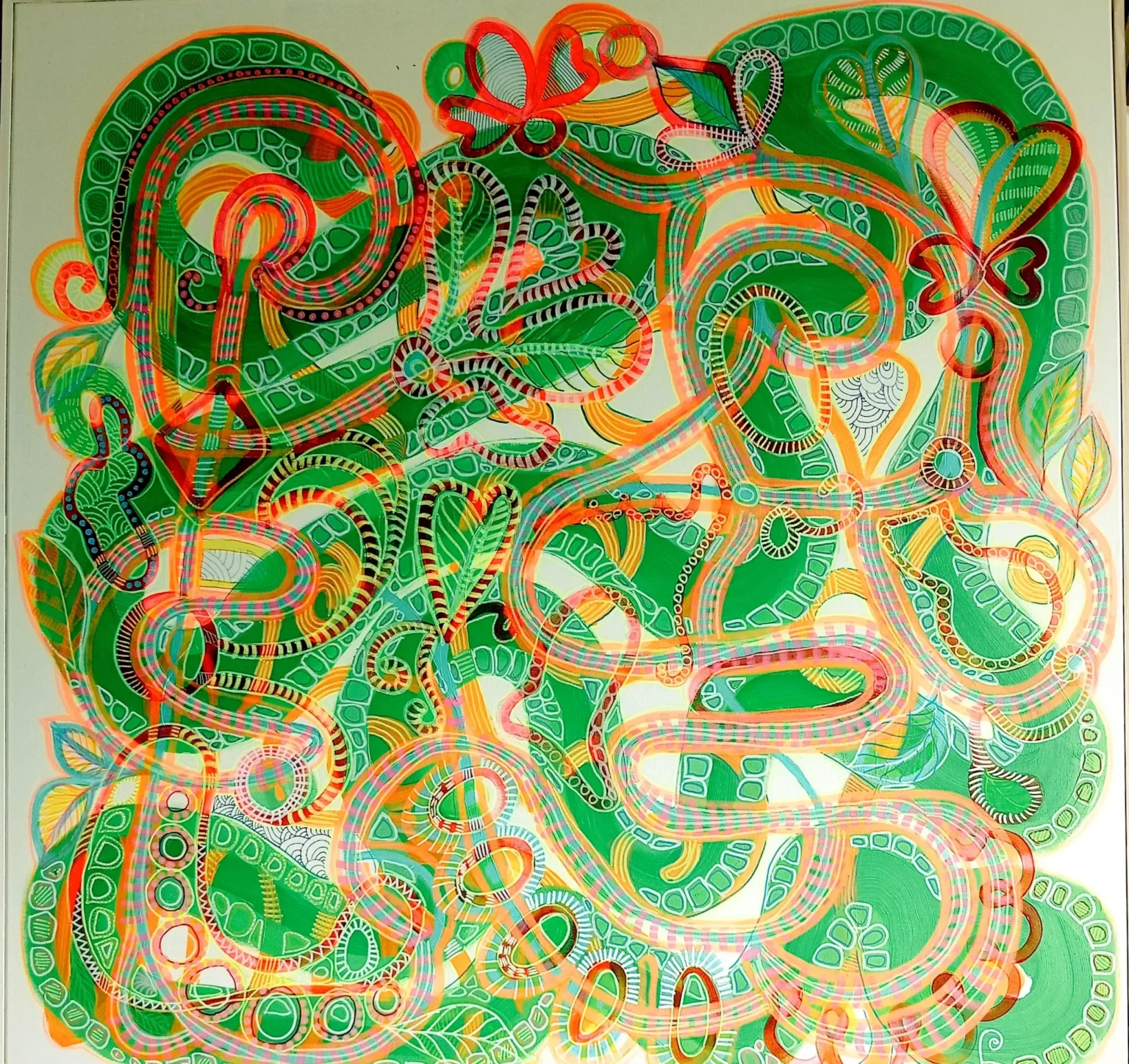
La trama de la naturalezaA természet szövedékeThe Fabric of Nature
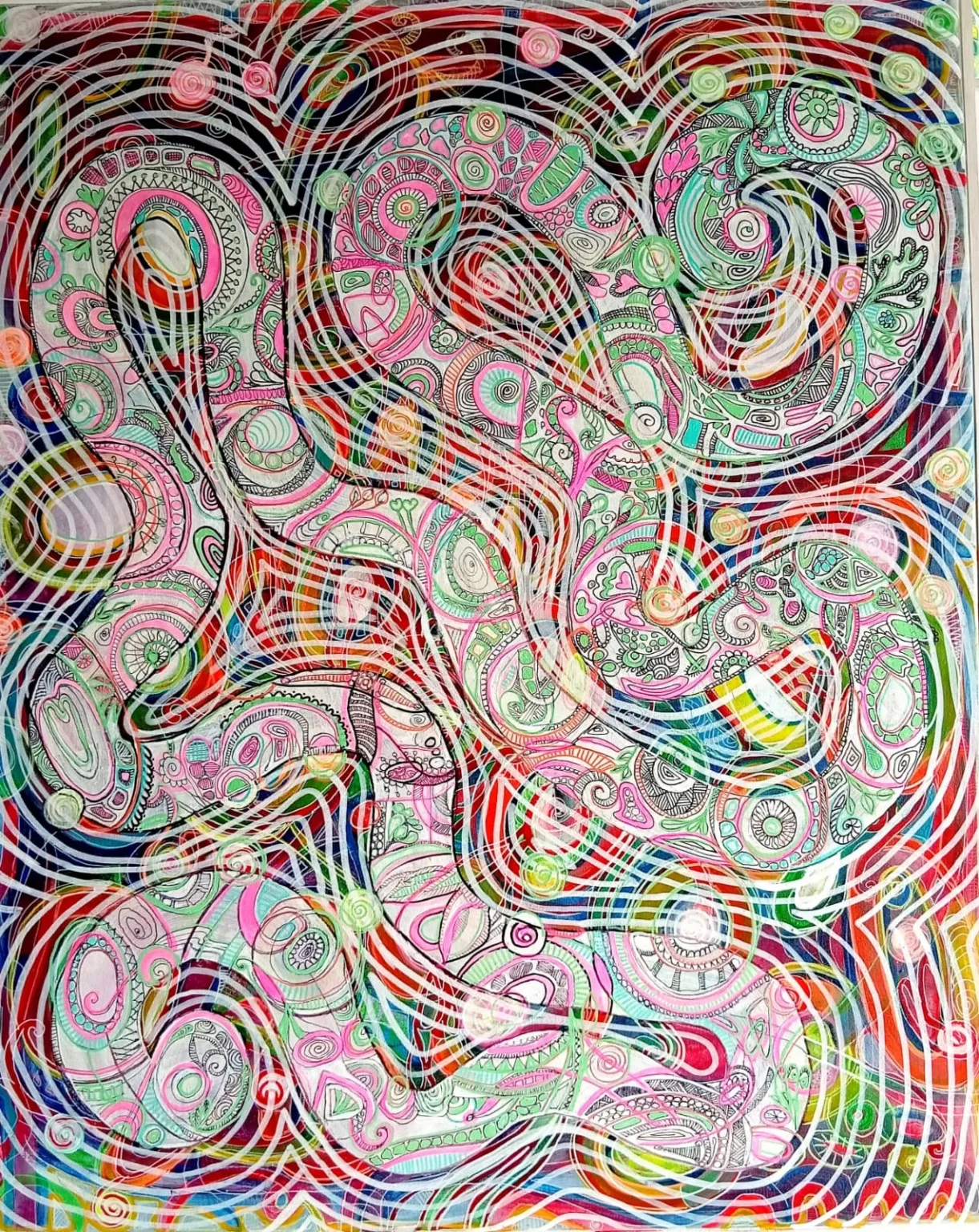
La energía de la naturalezaA természet energiájaThe Energy of Nature
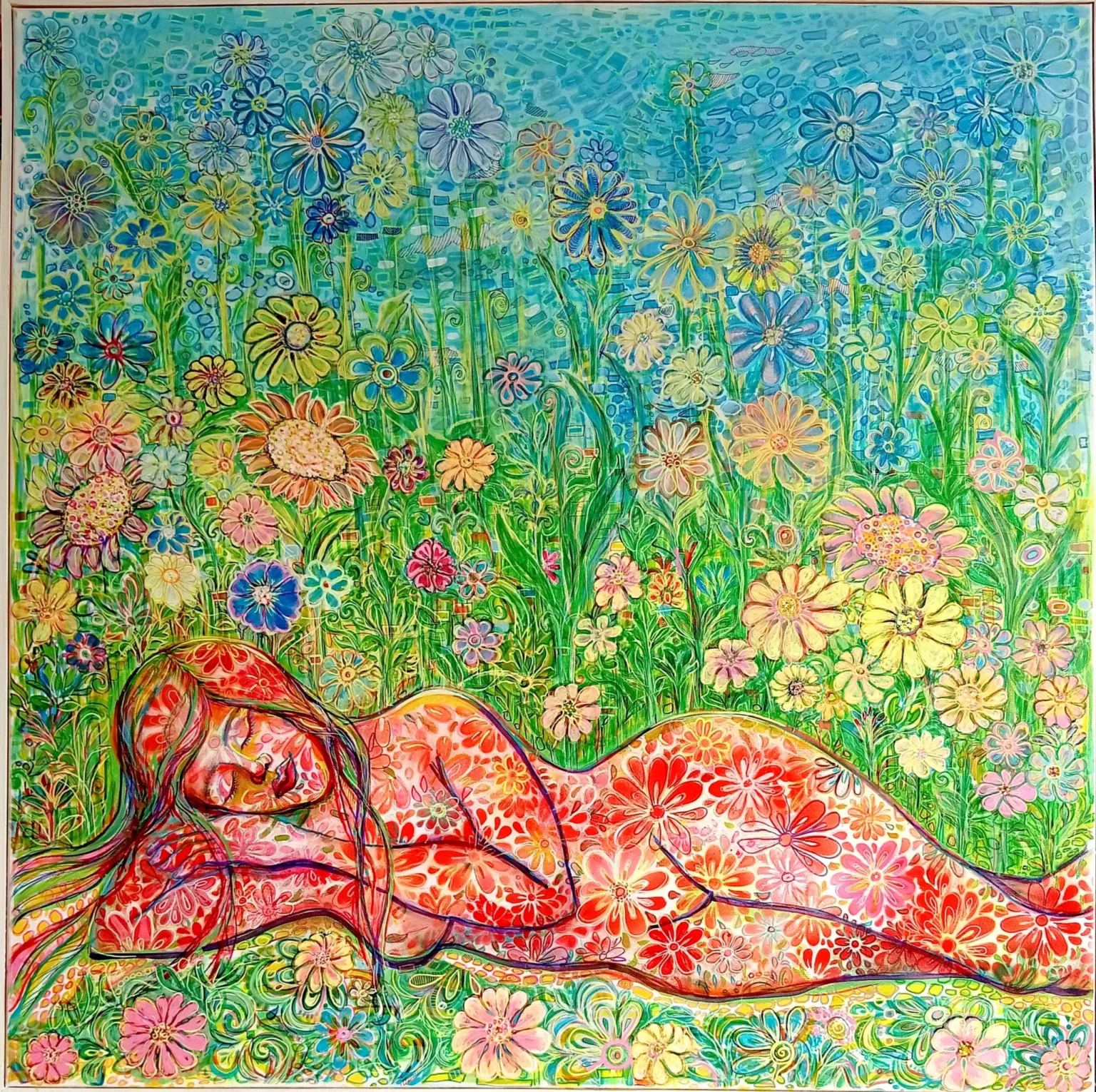
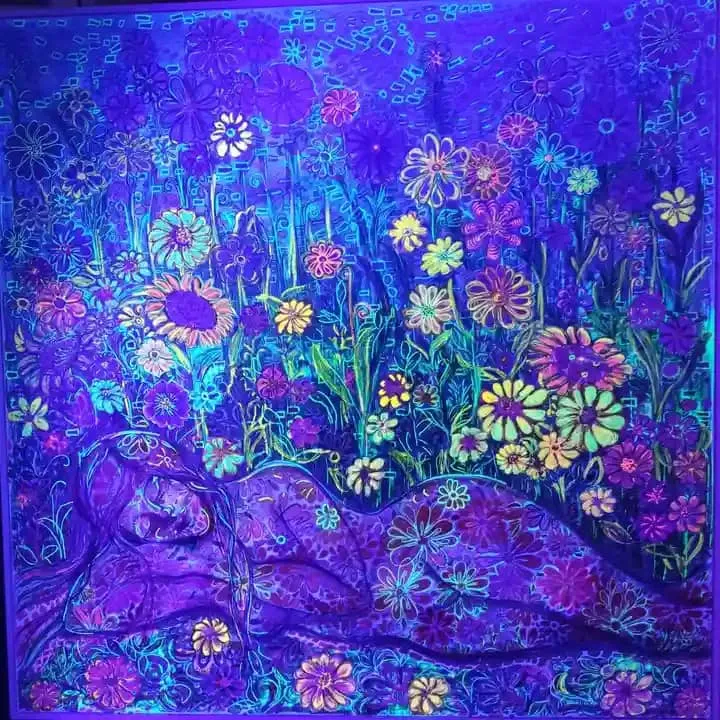
La Madre Tierra dormitandoSzundikáló AnyaföldMother Earth Dozing
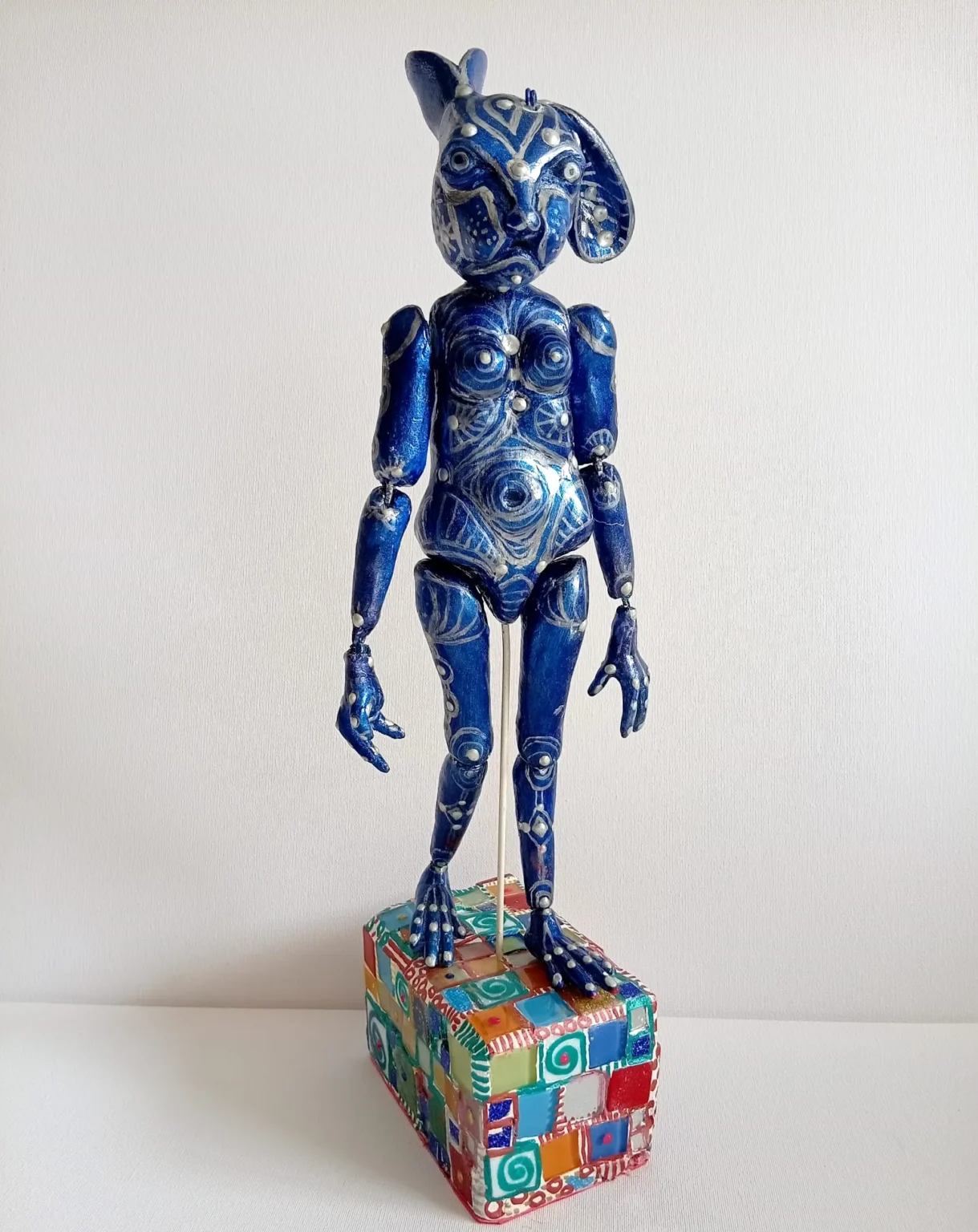
Orejas azules de conejoKék nyúlfülBlue Rabbit Ears
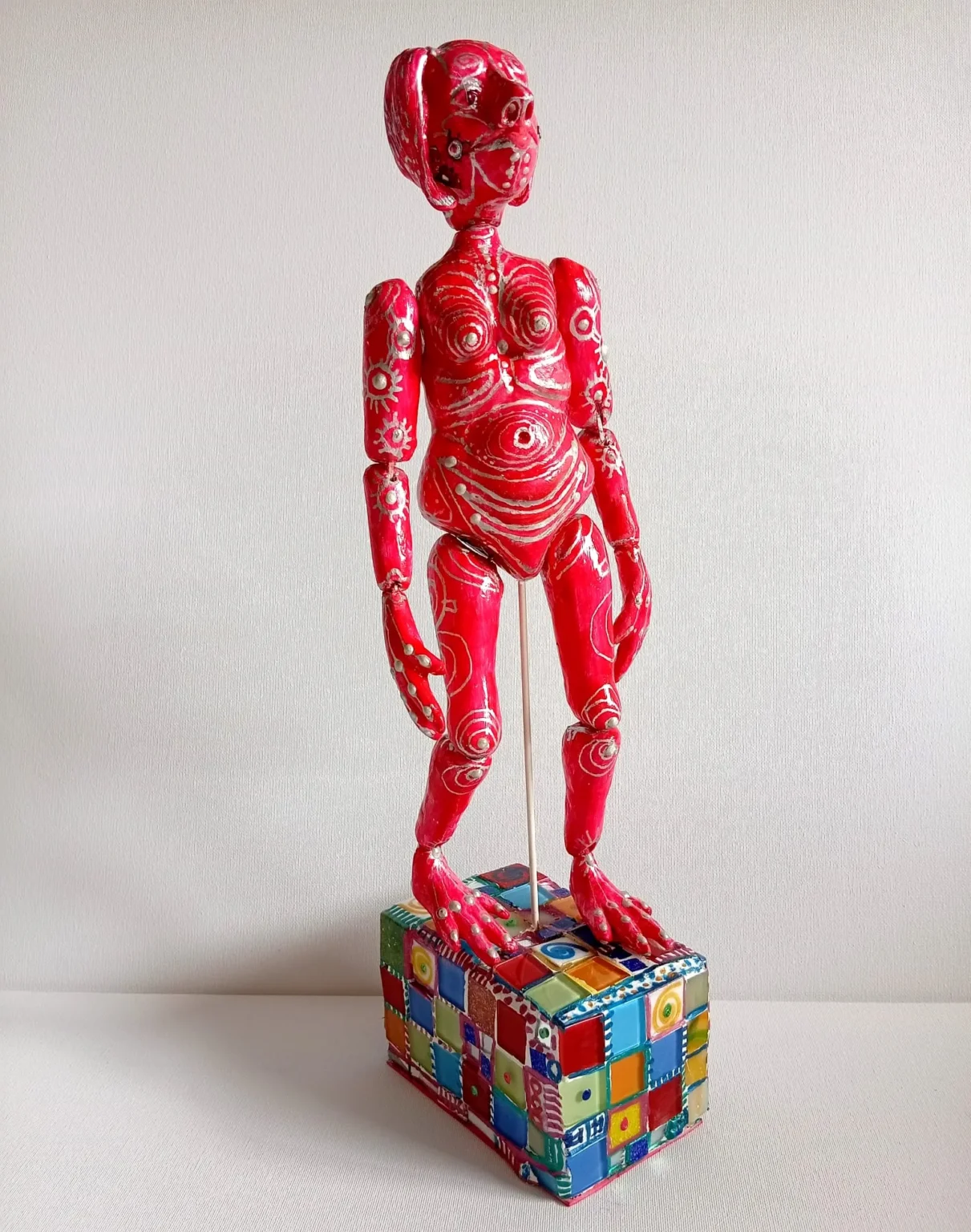
Centinela rojaVörös őrszemRed Sentinel
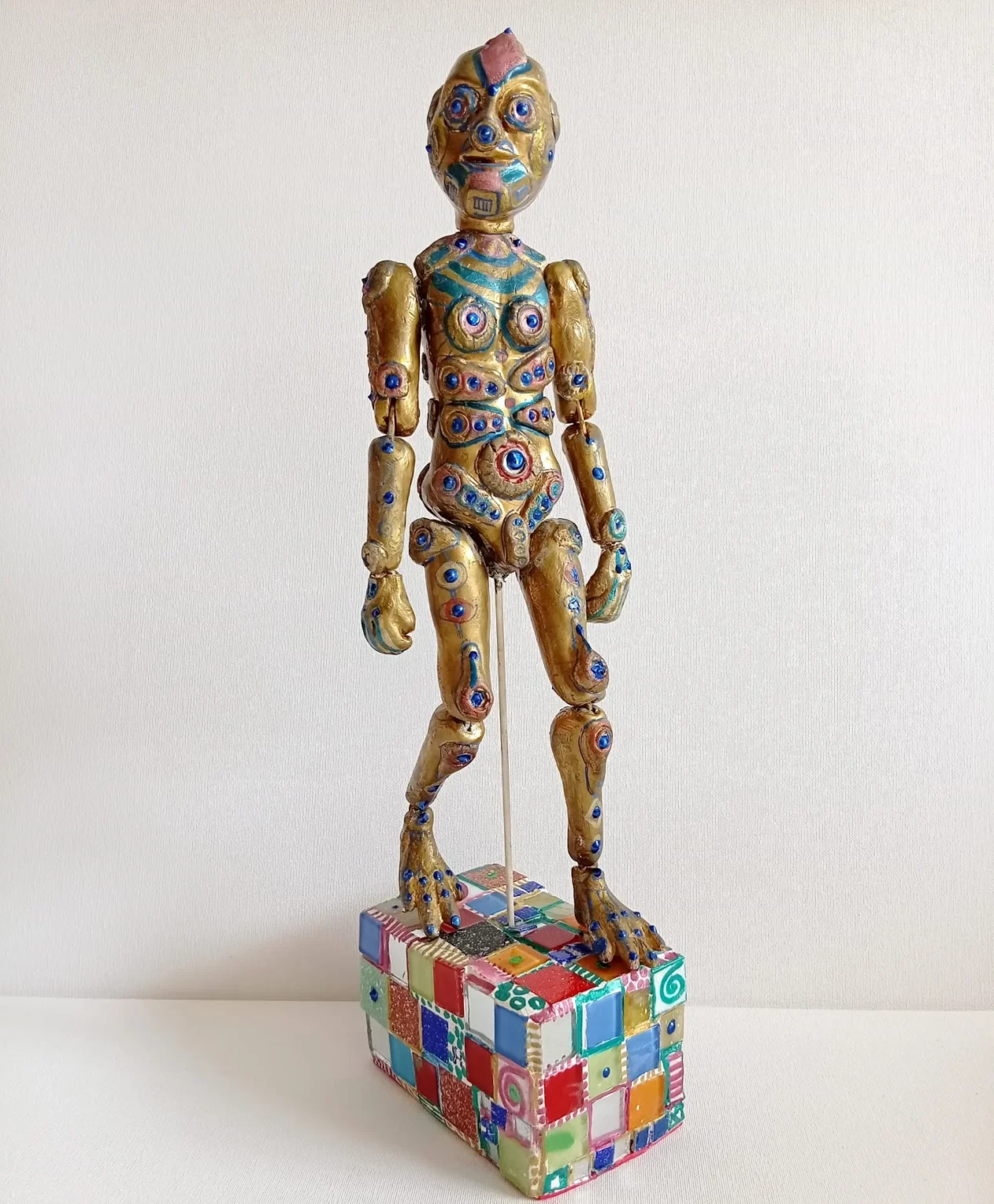
Brillo de bronceBronzfényBronze Gleam
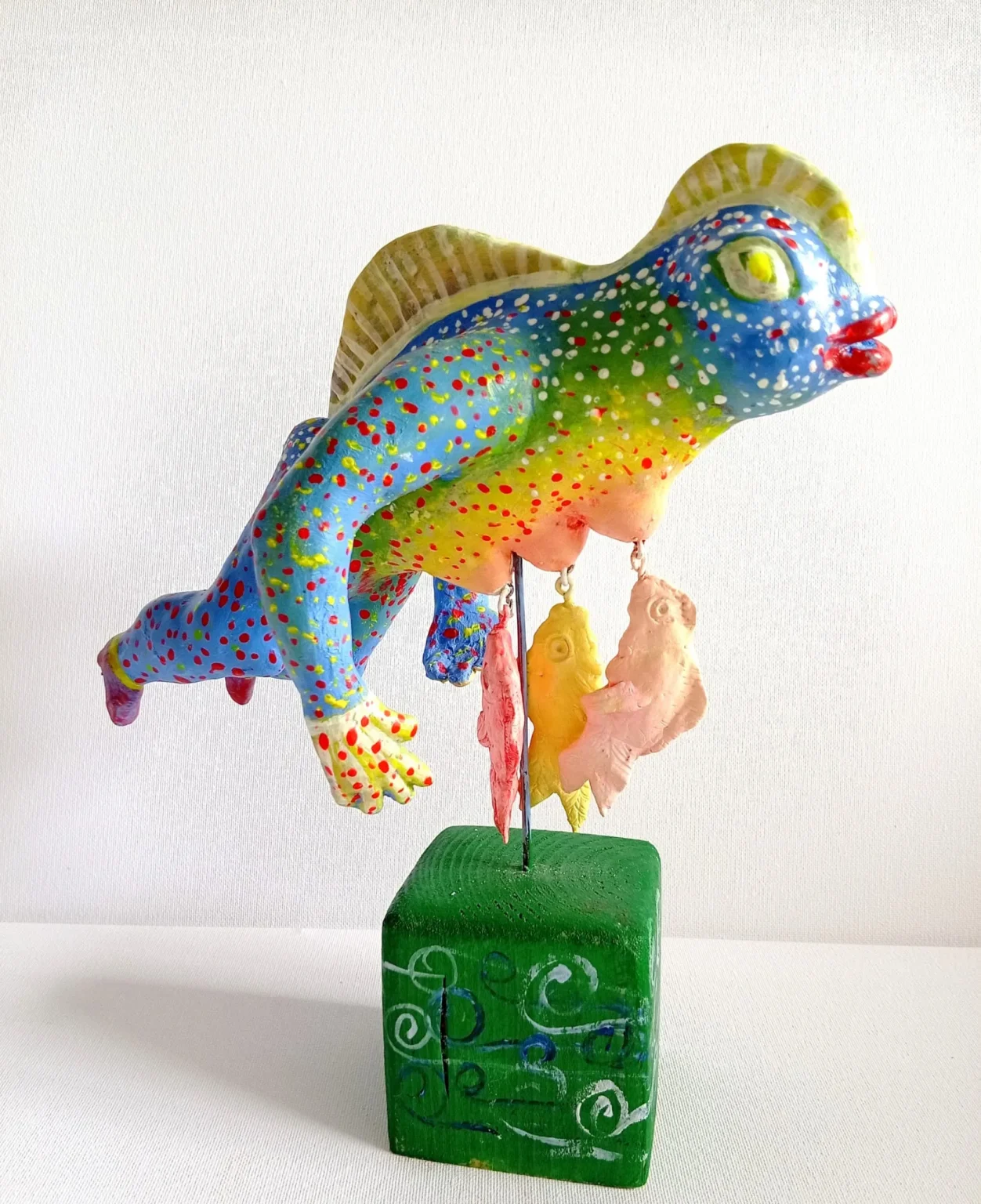
Madre pezAnyahalMother Fish
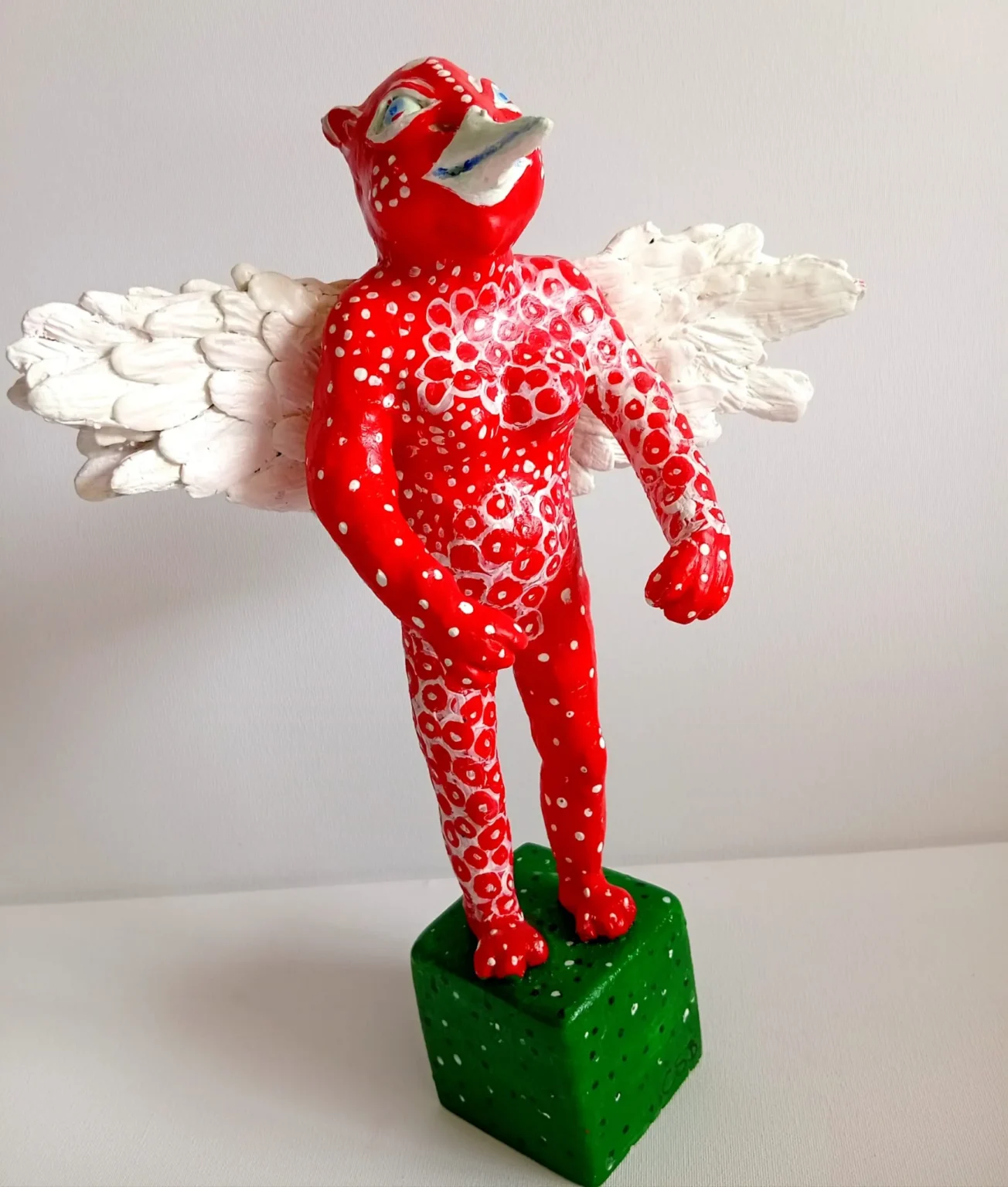
La mujer pájaro rojaA vörös madárasszonyLa mujer pájaro roja
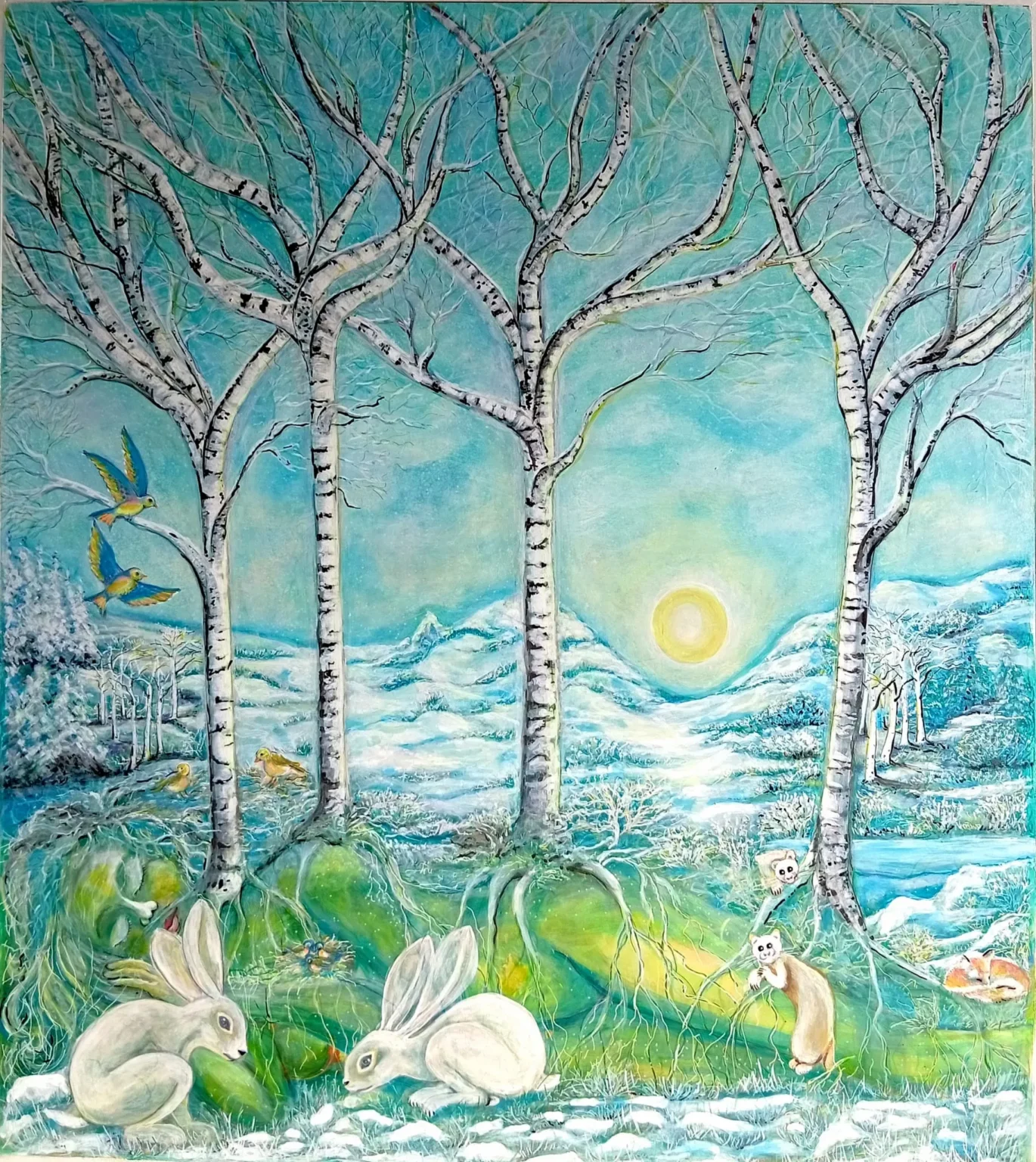
El sueño invernal de la Madre TierraAnyaföld téli álmaMother Earth’s Winter Dream
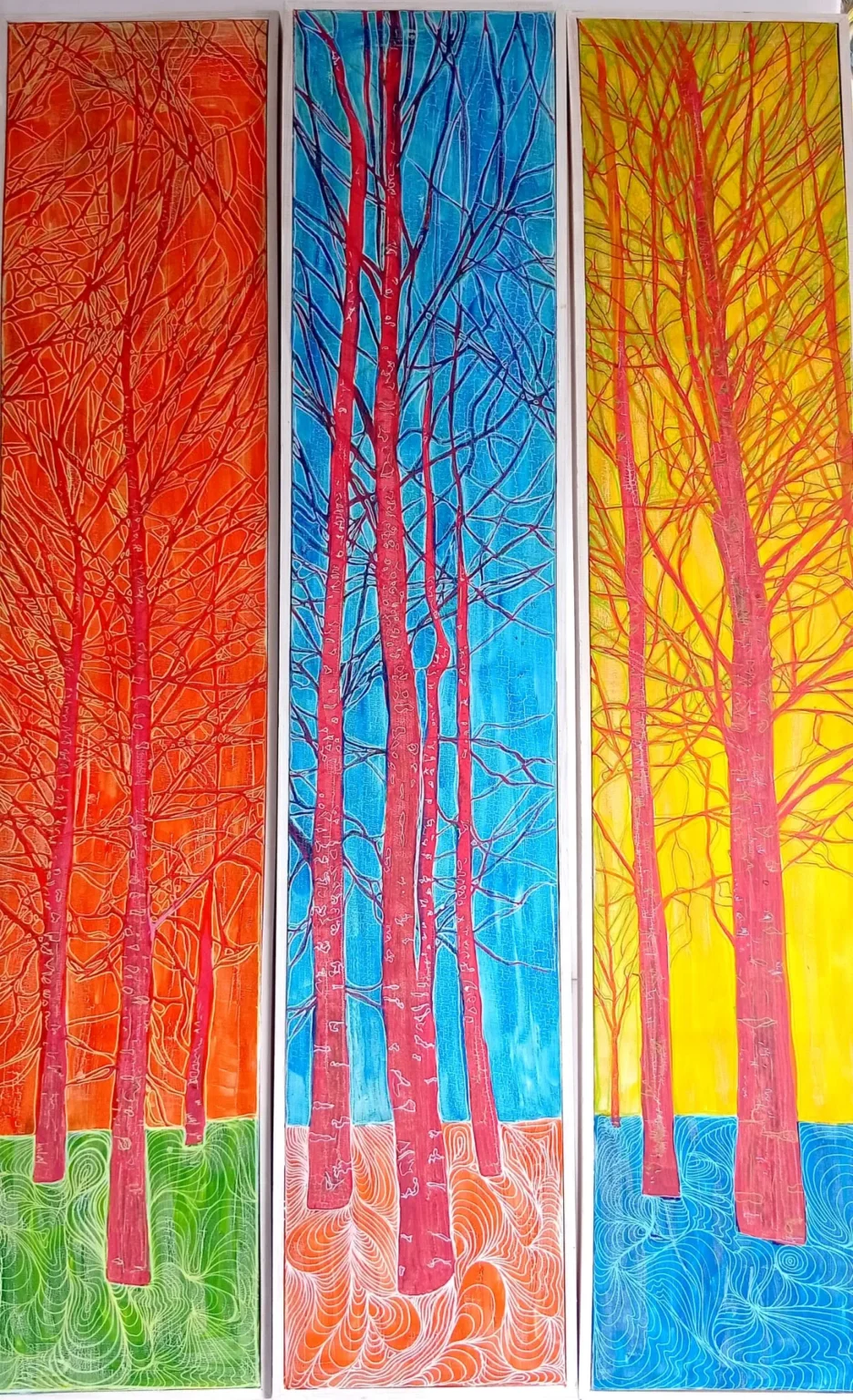
Bosque a tres vocesErdő három hangraForest in Three Voices
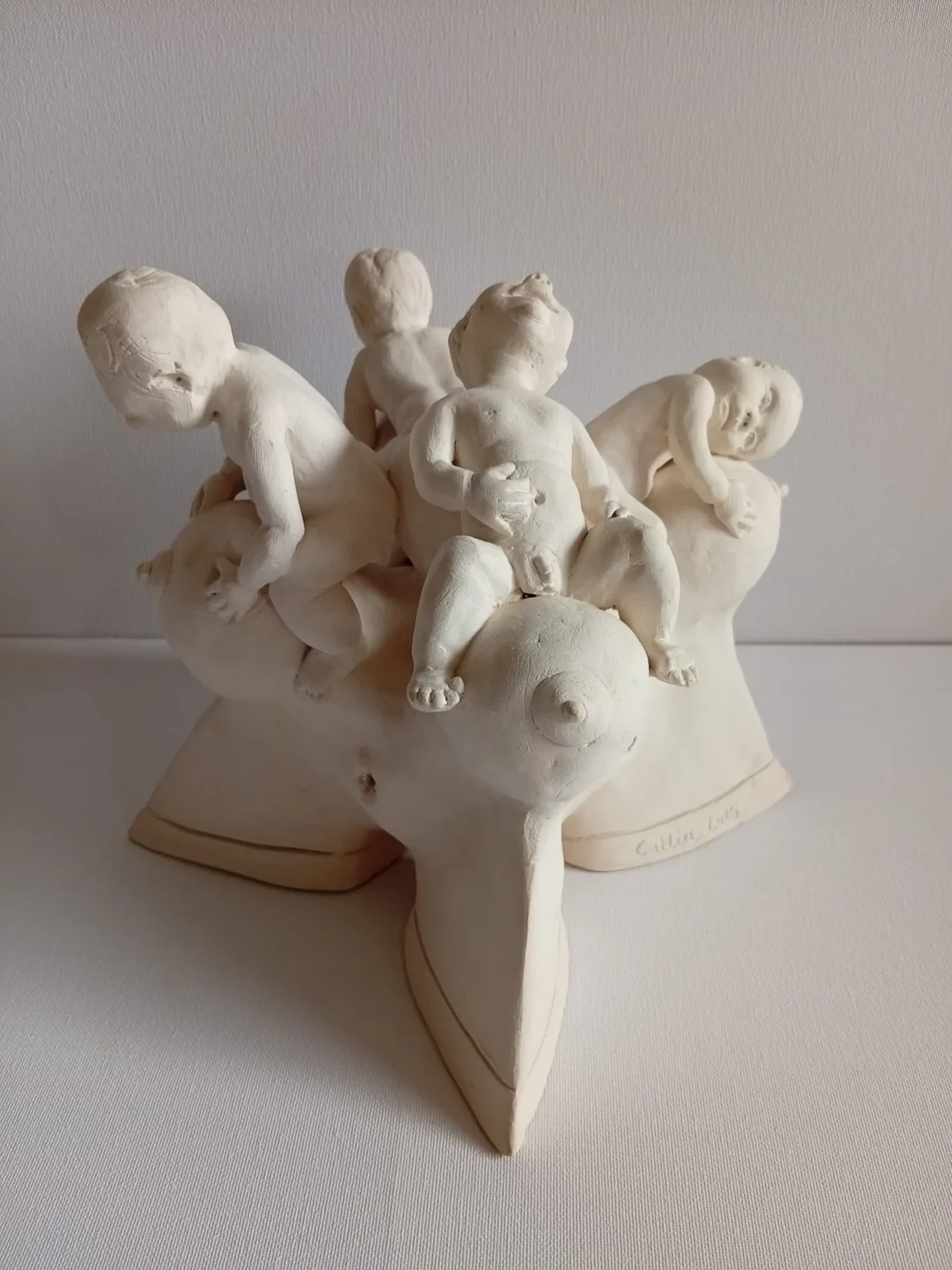
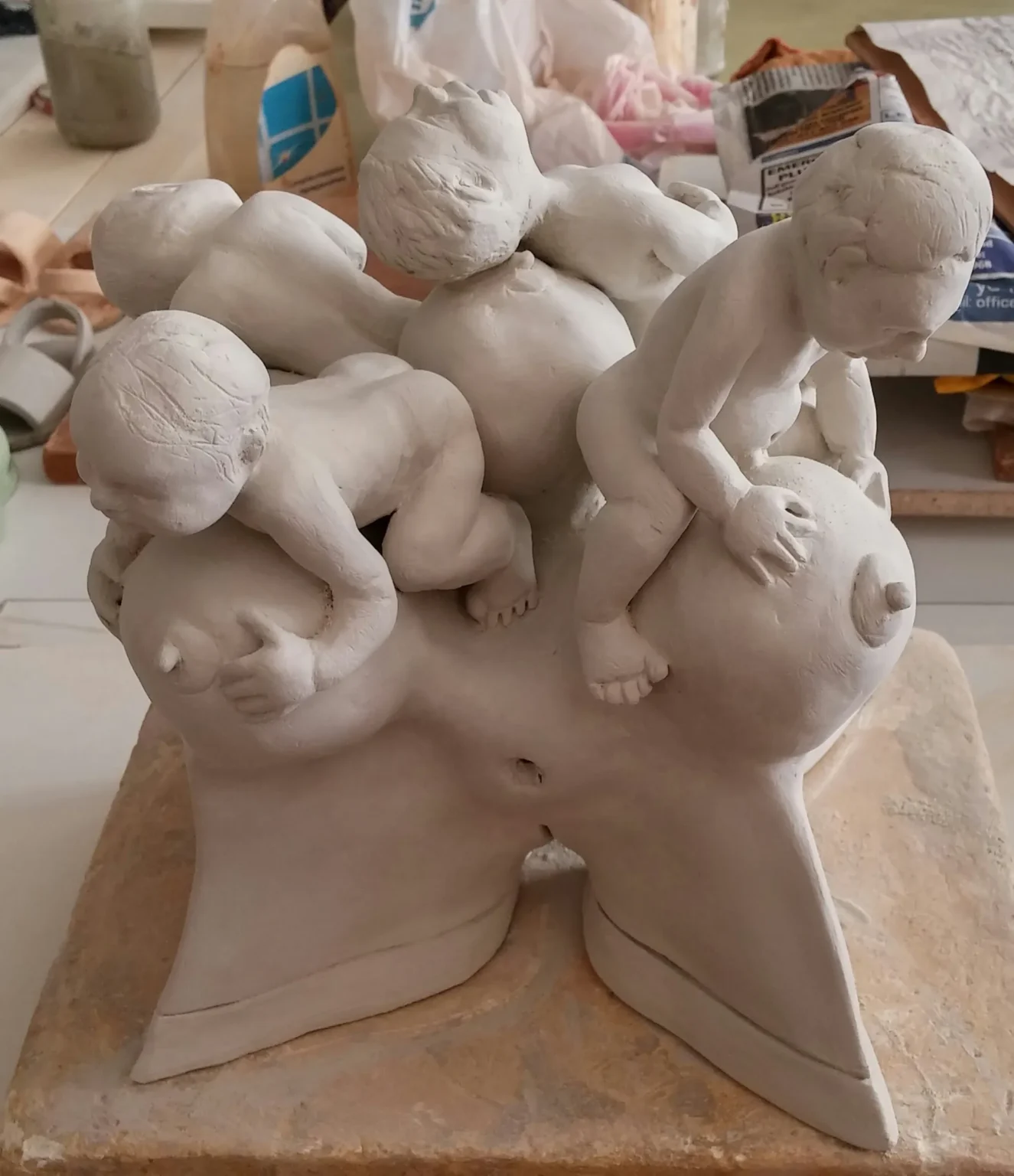
El cuerpo que nutreA tápláló testThe Body That Nourishes
Fired white clayFired white clayFired white clay
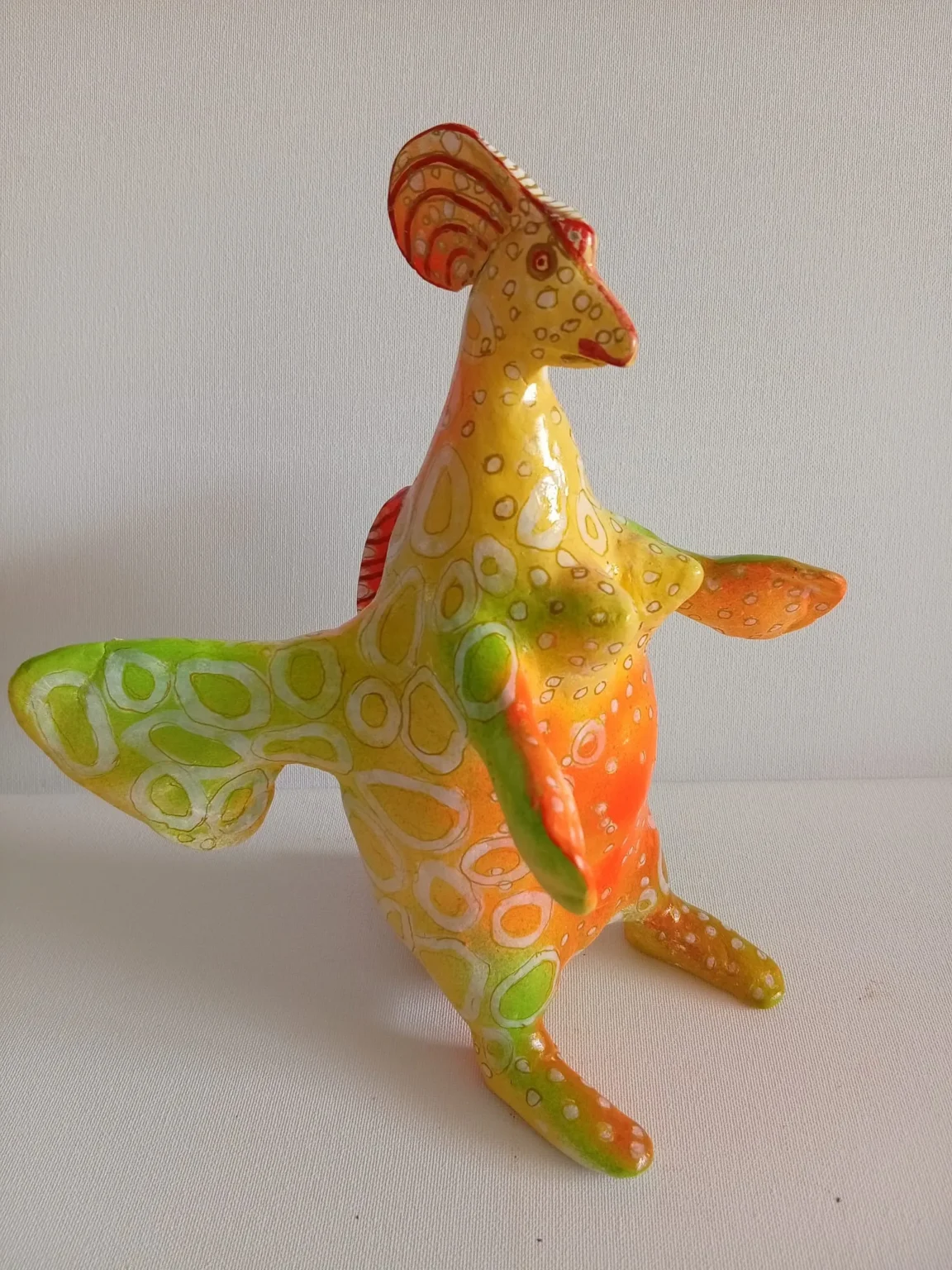
La dama dinosaurioDínódámaDino Dame
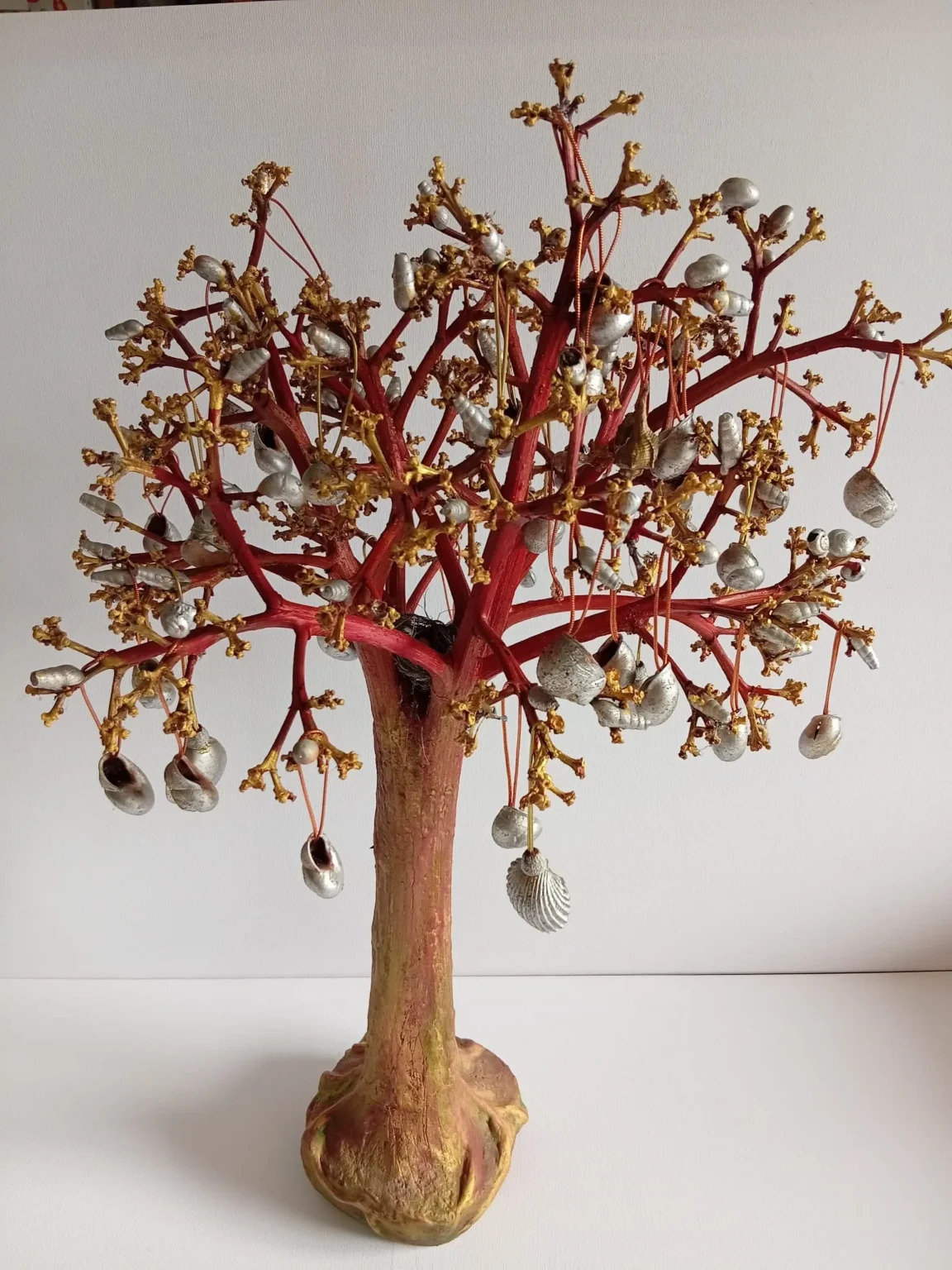
Agave – Árbol de la vidaAgavé – ÉletfaAgave – Tree of Life
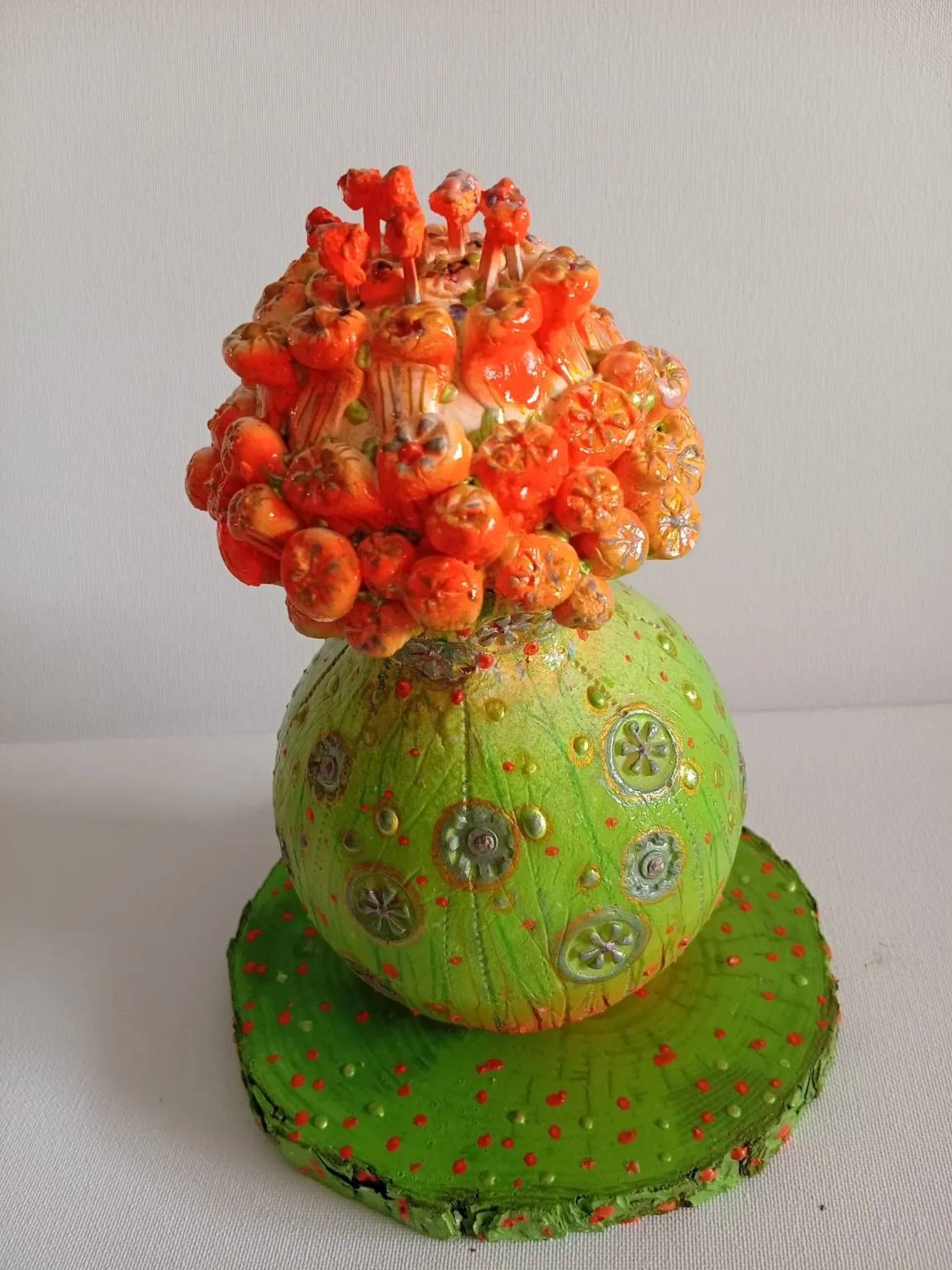
La semilla del futuroA jövő magjaThe Seed of the Future
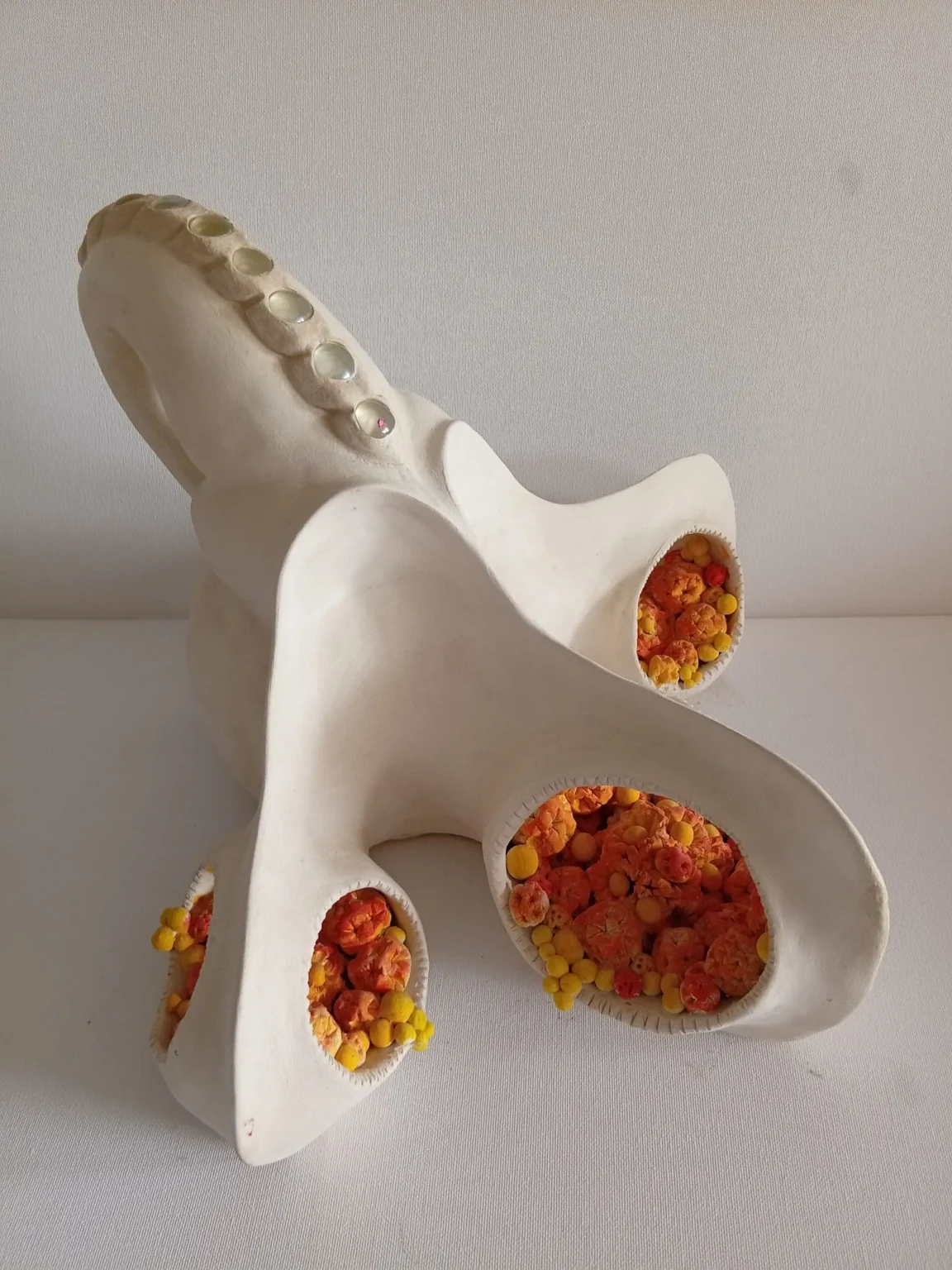
Cápsula de semillasMagkapszulaSeed Capsule
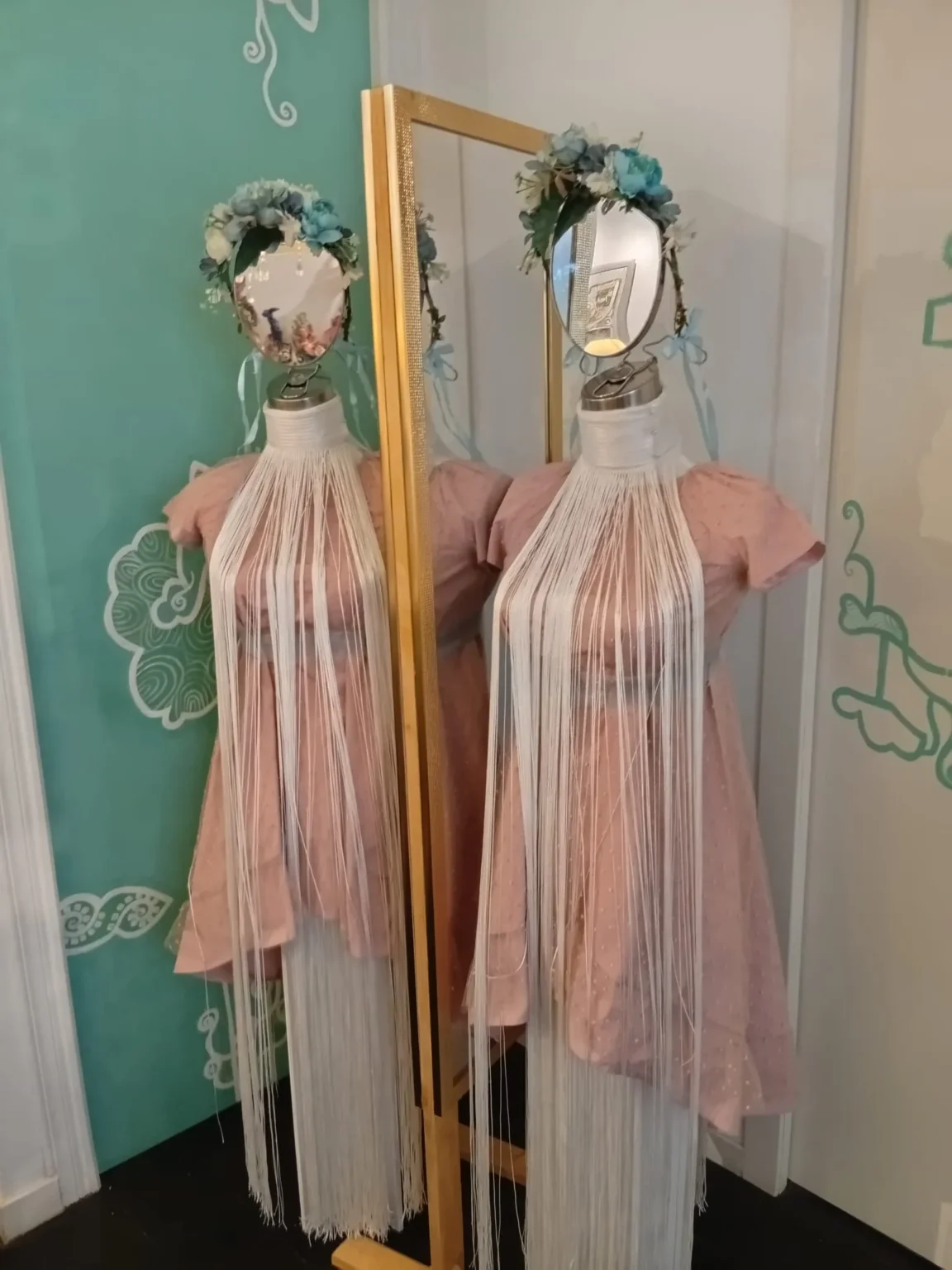
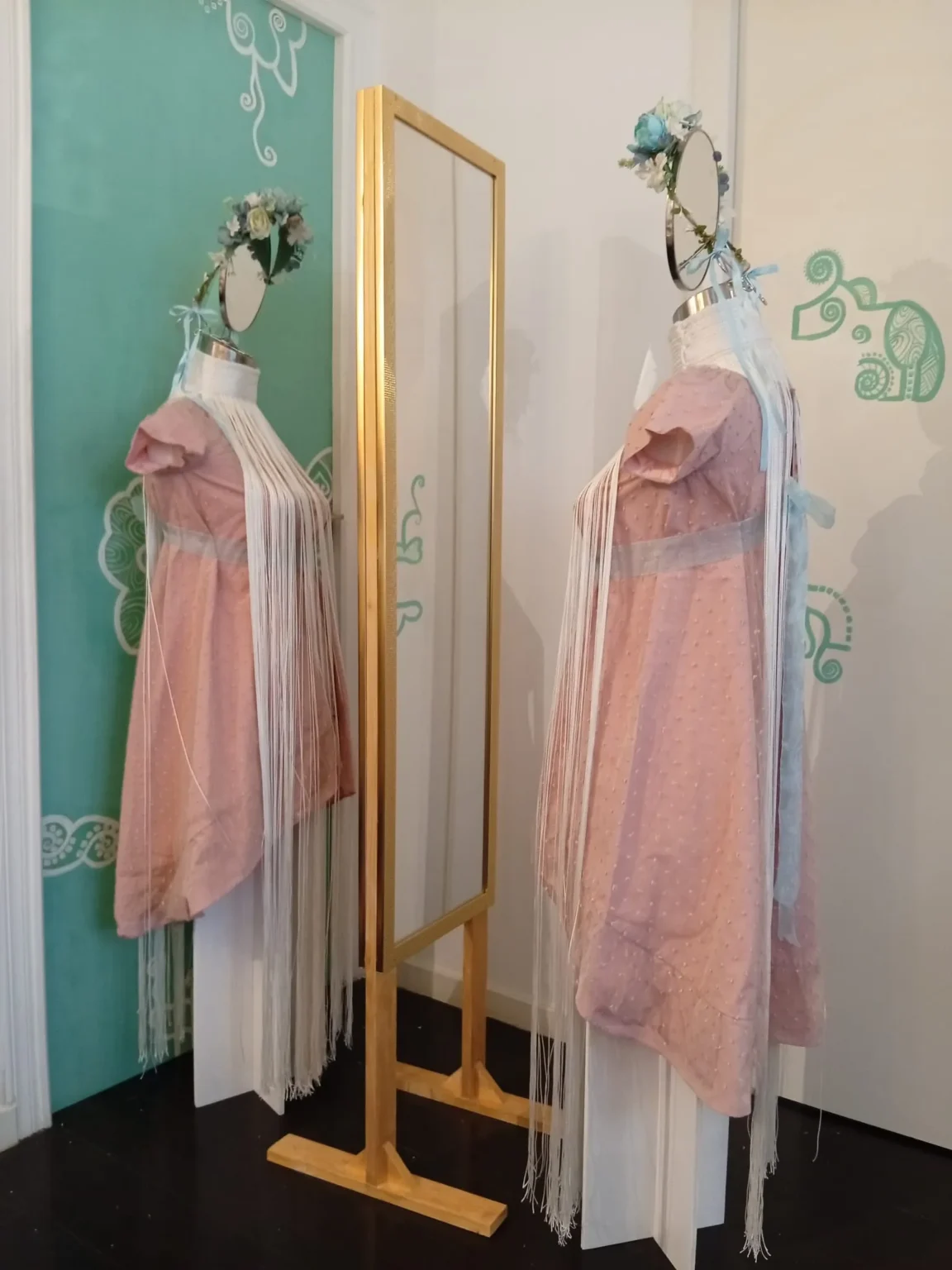
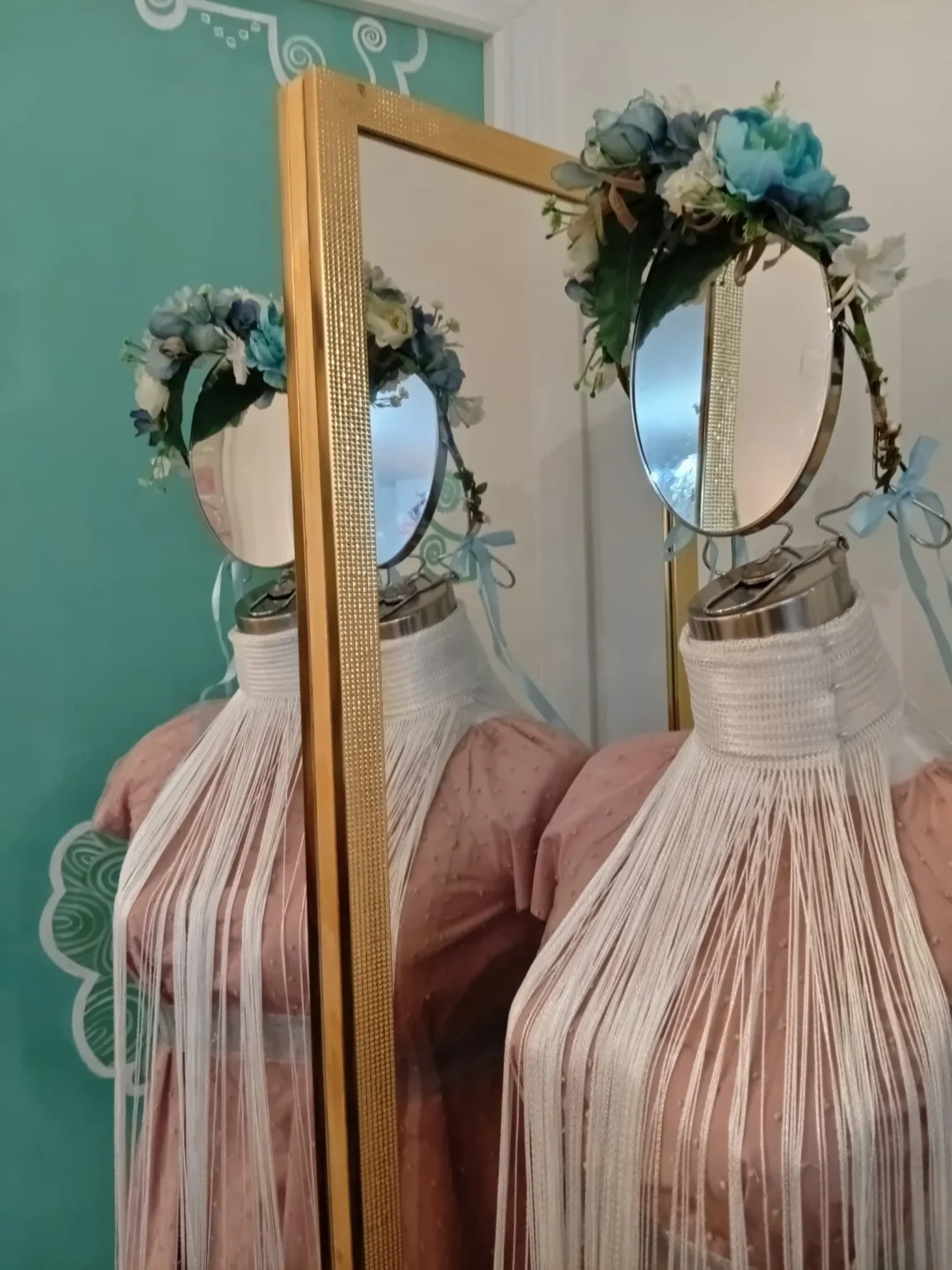
Espejito, espejito, dimeTükröm, tükröm, mondd meg nékem…Mirror, Mirror, Tell Me…
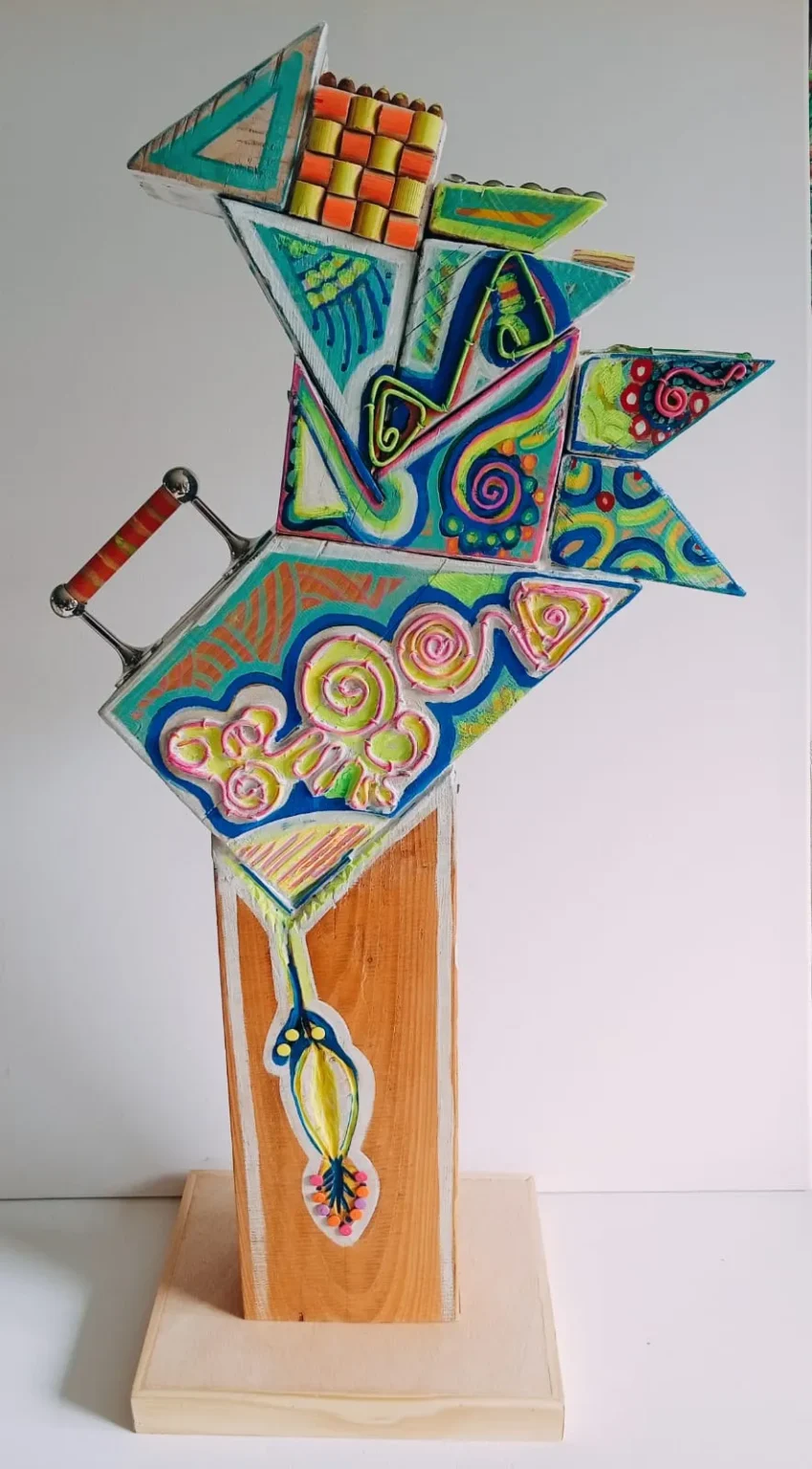
Dos tótemsKét totemTwo Totems
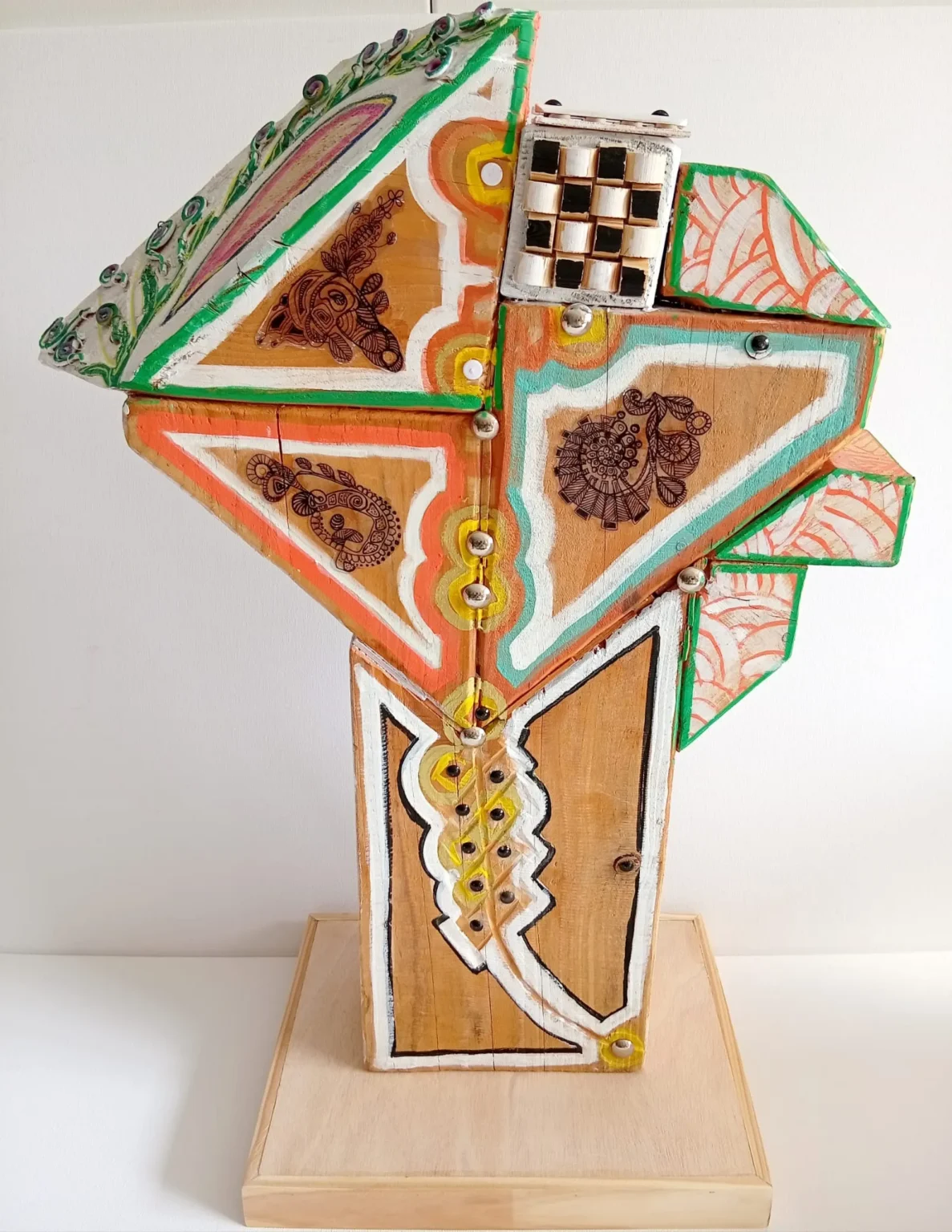
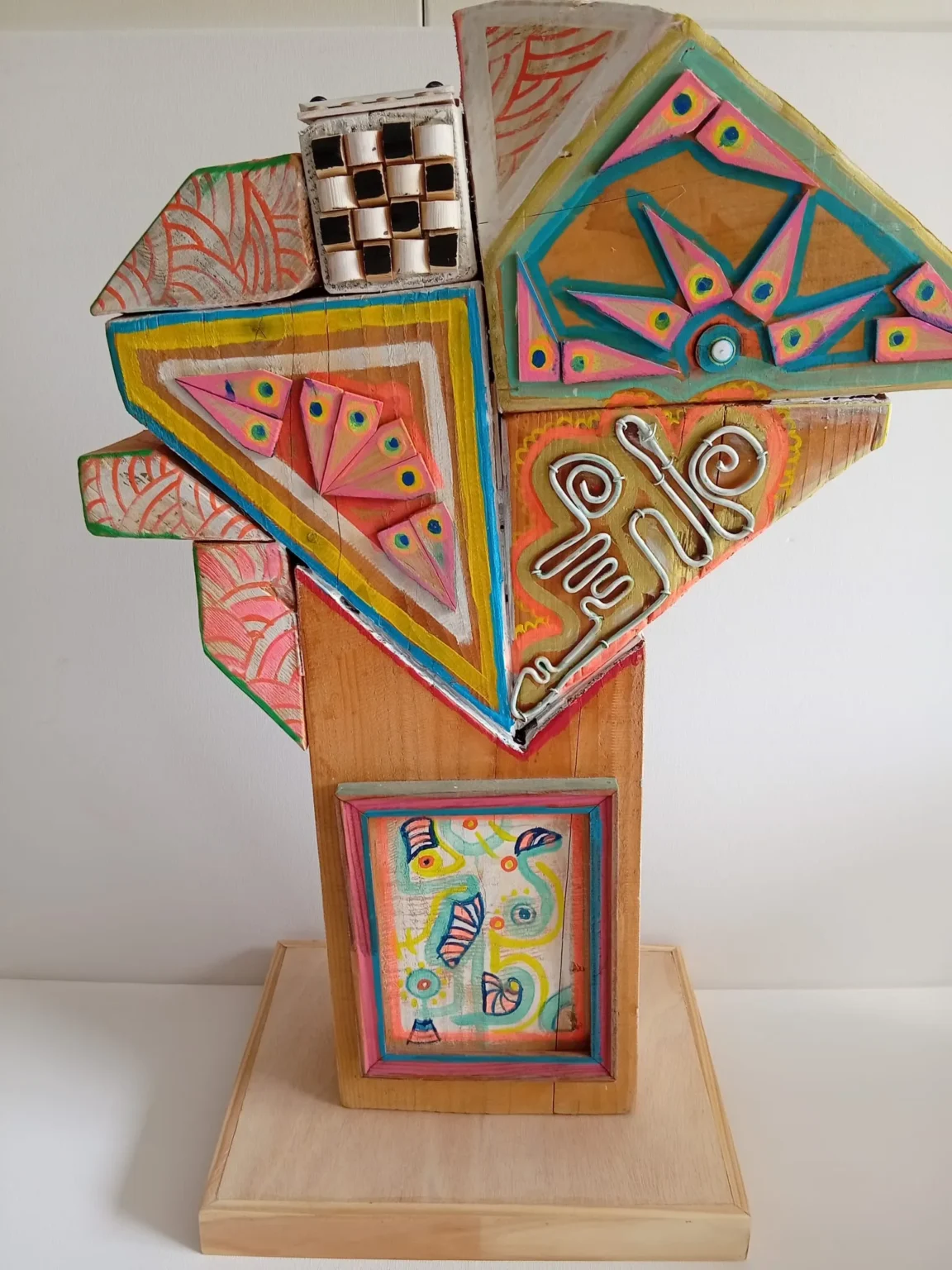
Dos tótems2Két totemTwo Totems
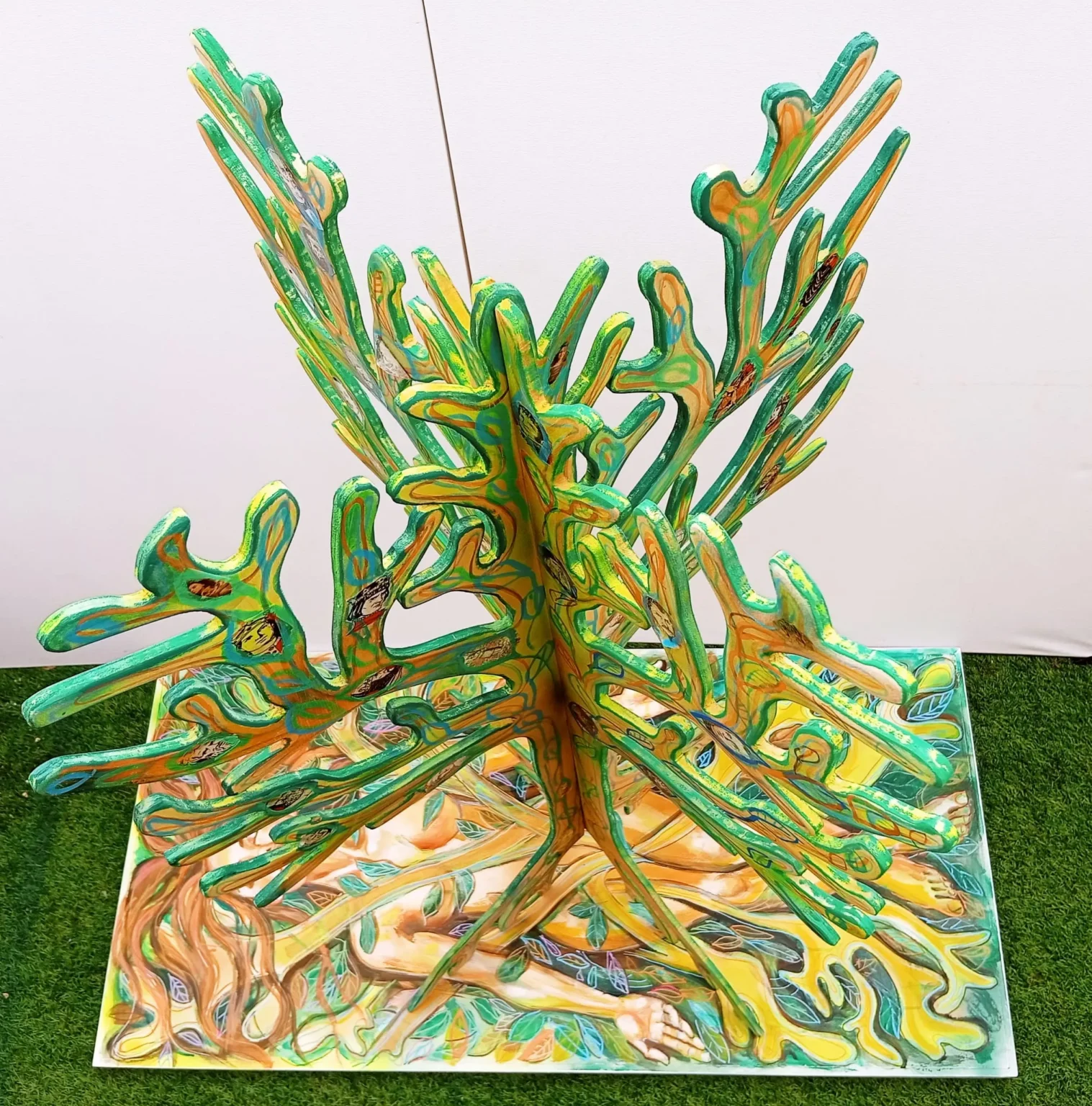
Madre Tierra – El árbol genealógico de la humanidadFöldanya – Az emberiség családfájaMother Earth – Humanity's Family Tree
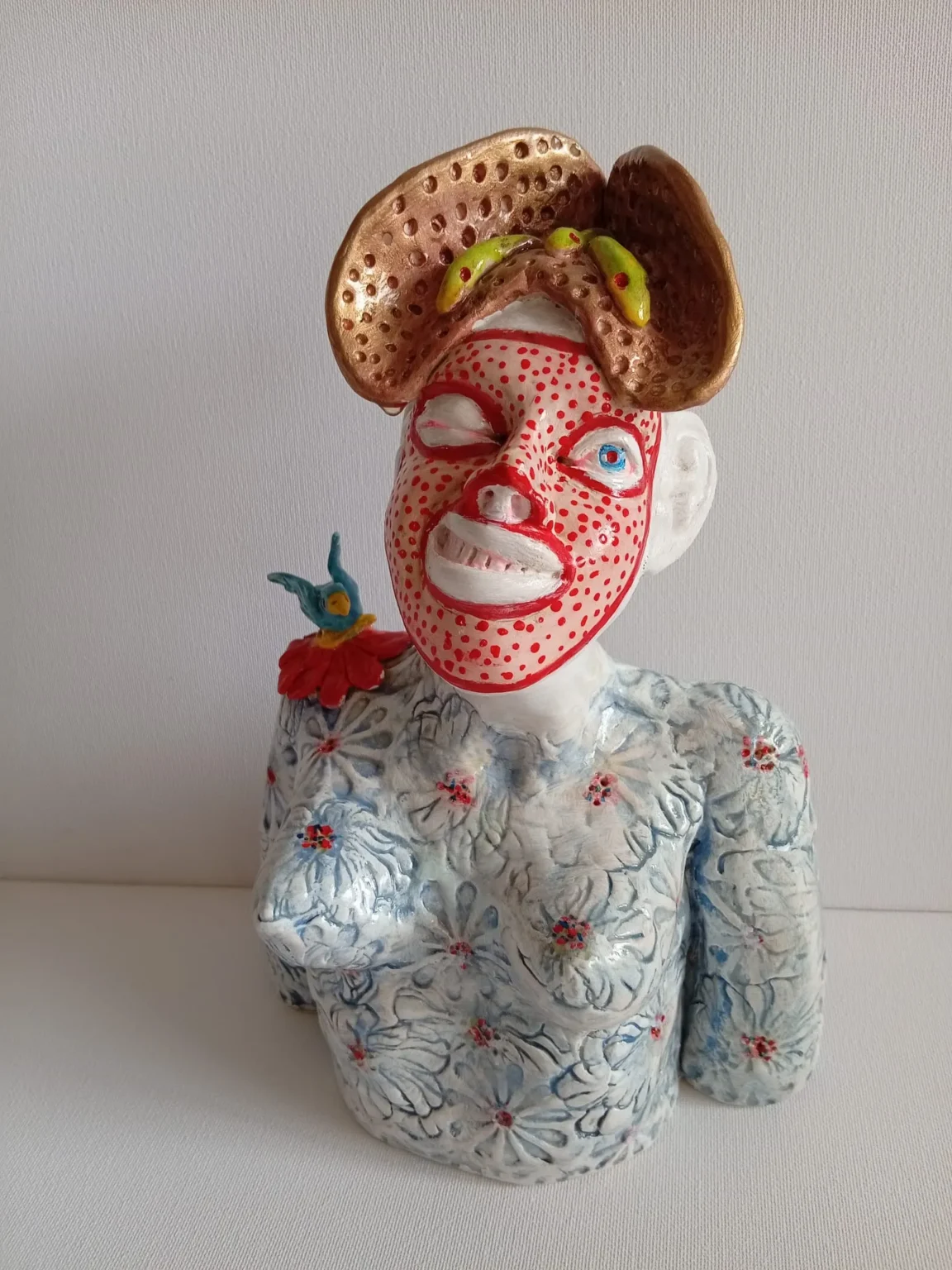
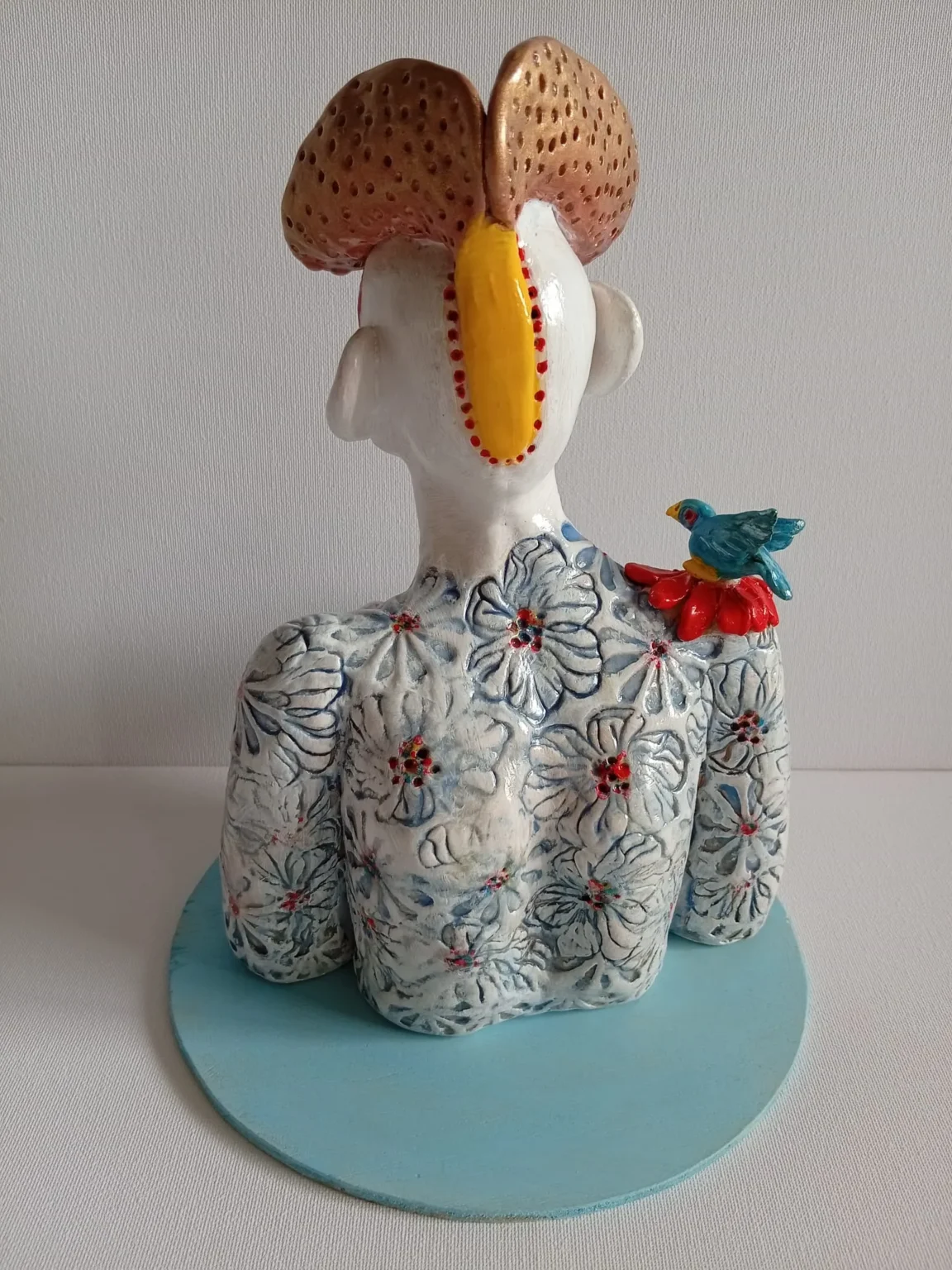
La inconformeA rosszallóThe Disapproving One
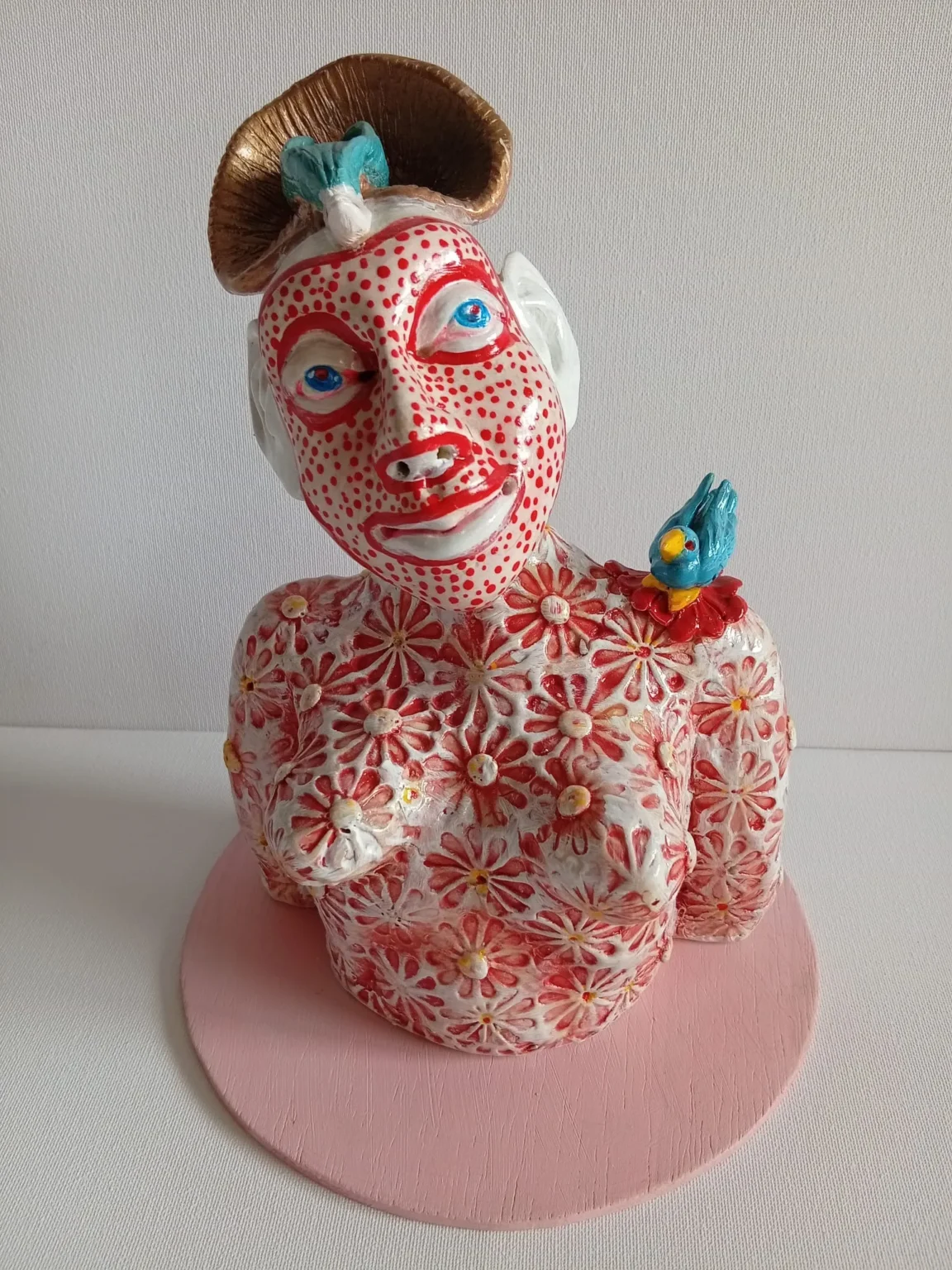
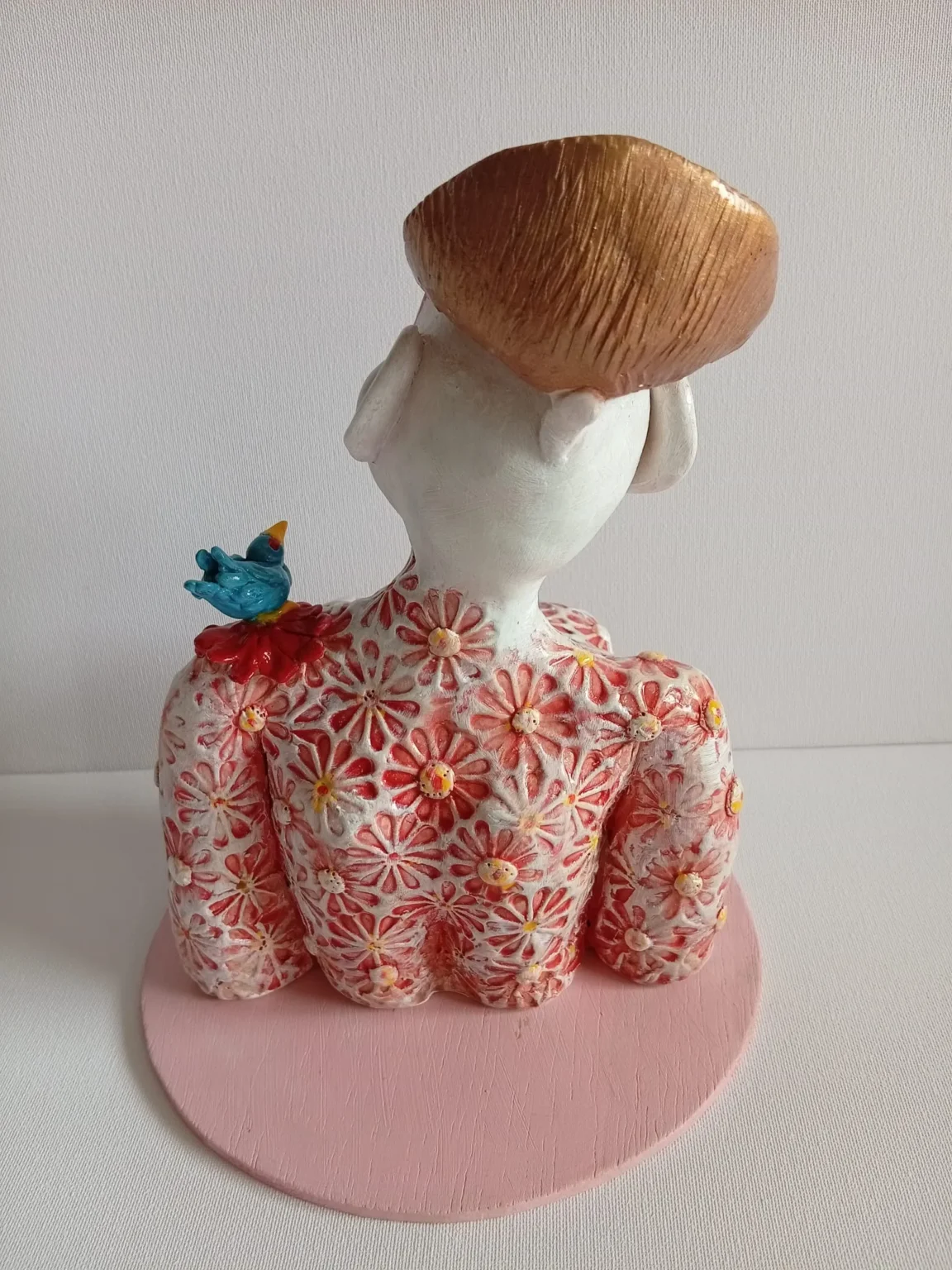
La comprensivaA megértőThe Understanding One
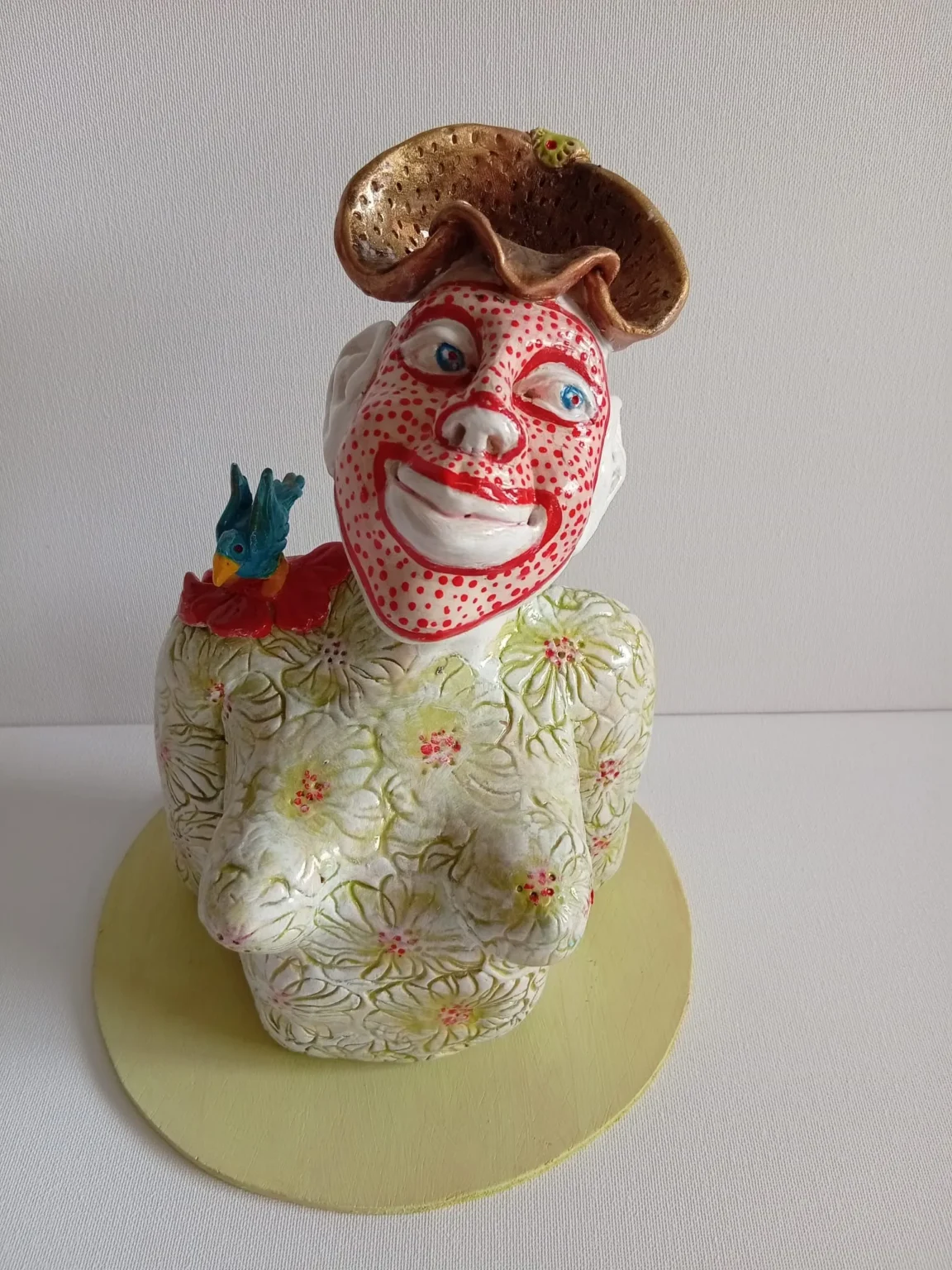
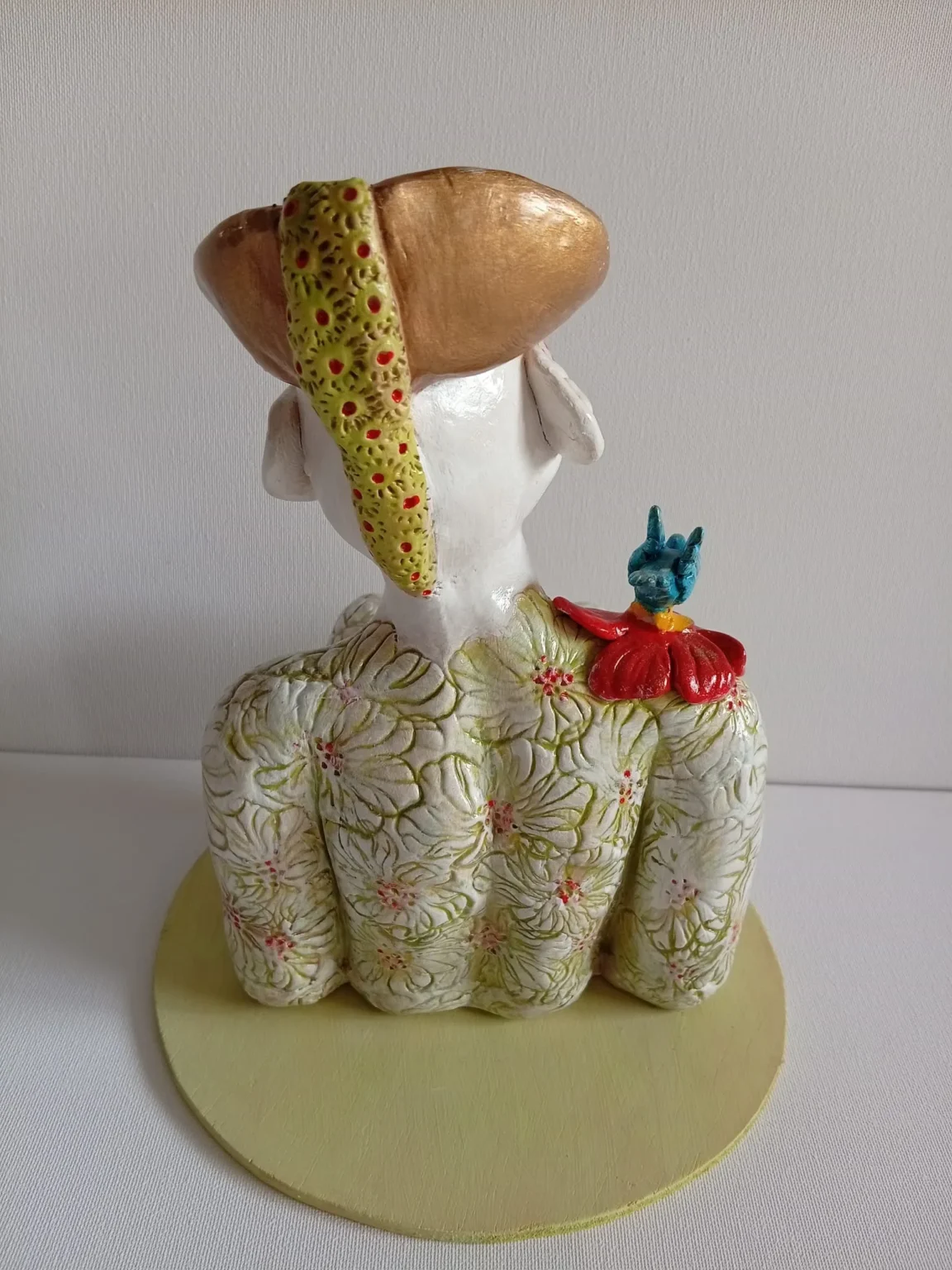
La ingenuaA naivThe Guileless One
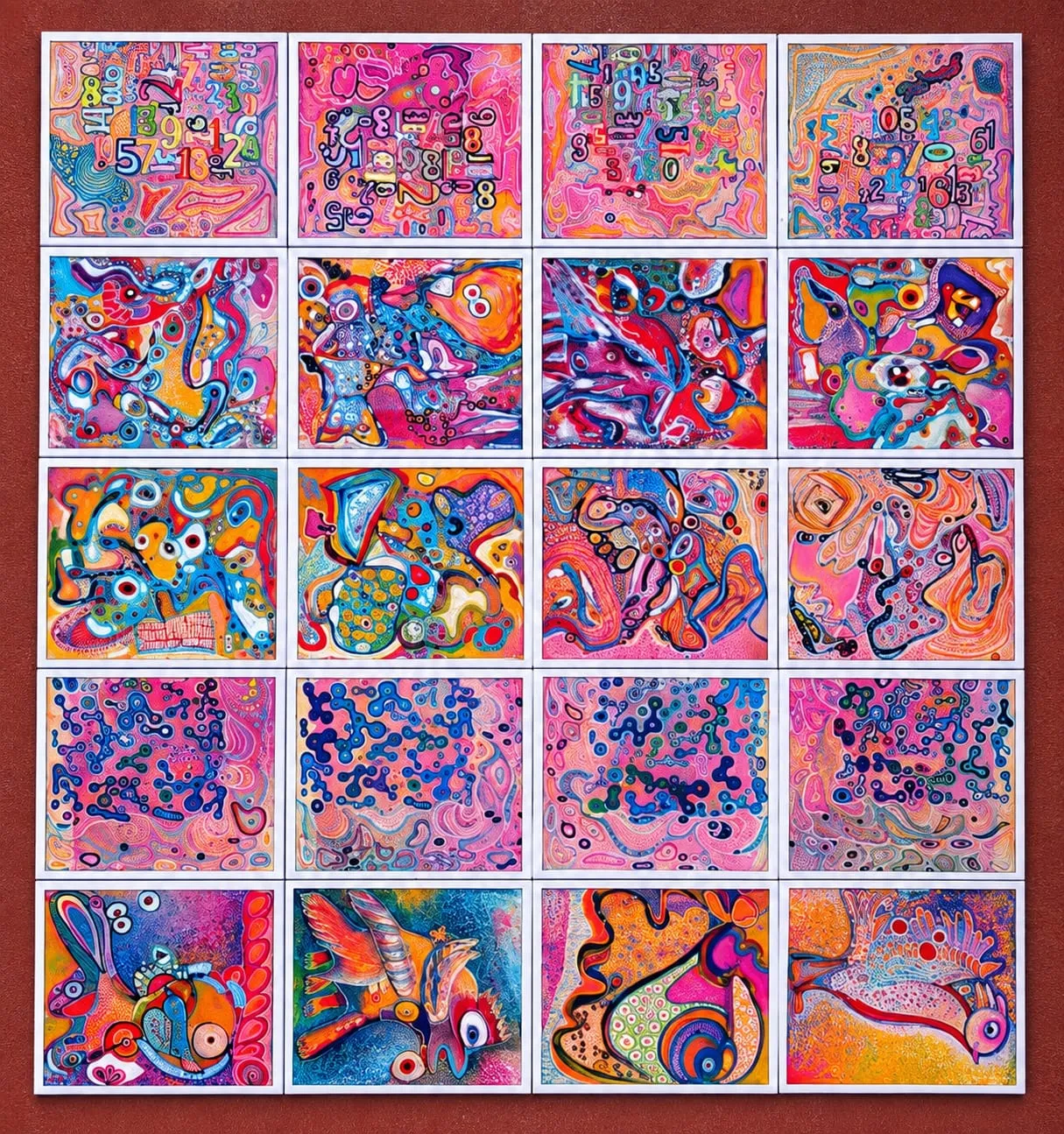
PinceladasSzöszenetekFluff
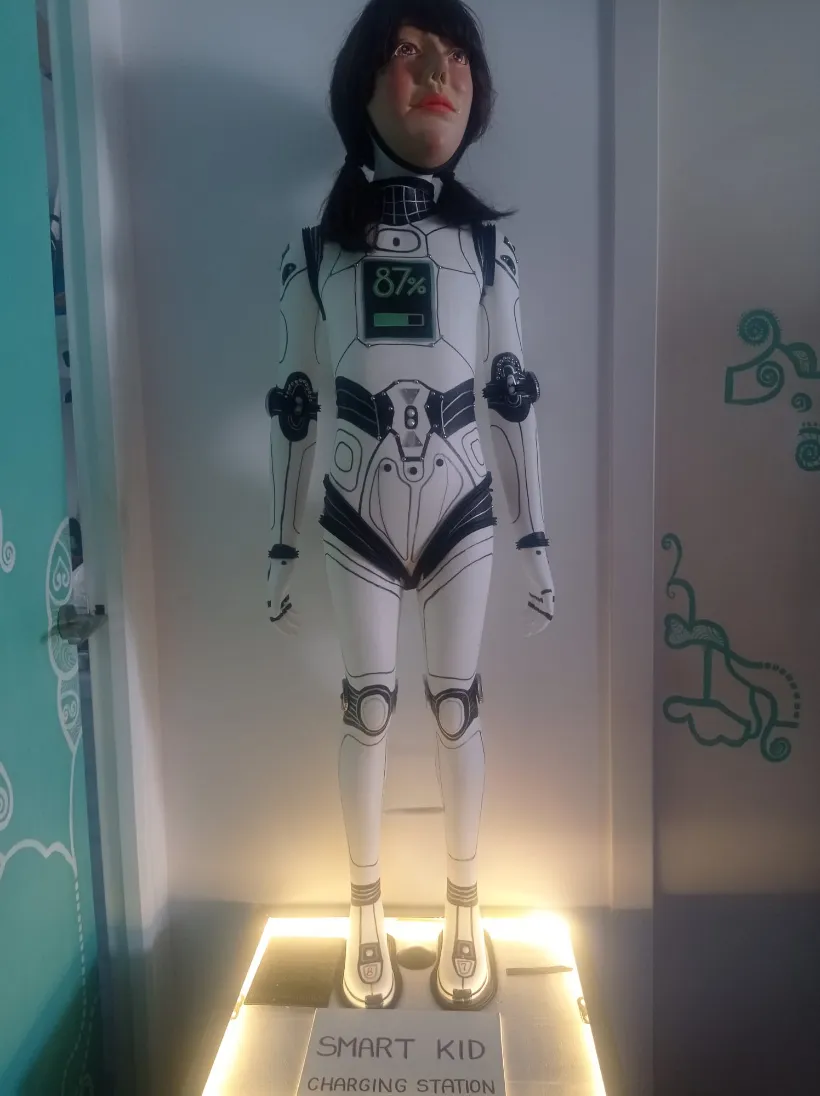
Estación de carga para niños inteligentesSmart Kid töltőállomásSmart kid charging station
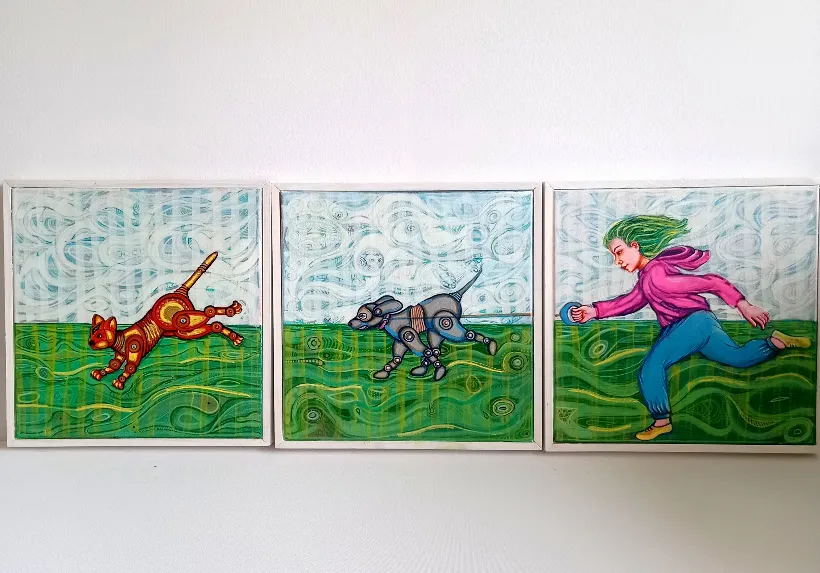
La evolución de la convivenciaA együttélés fejlődéseThe evolution of coexistence
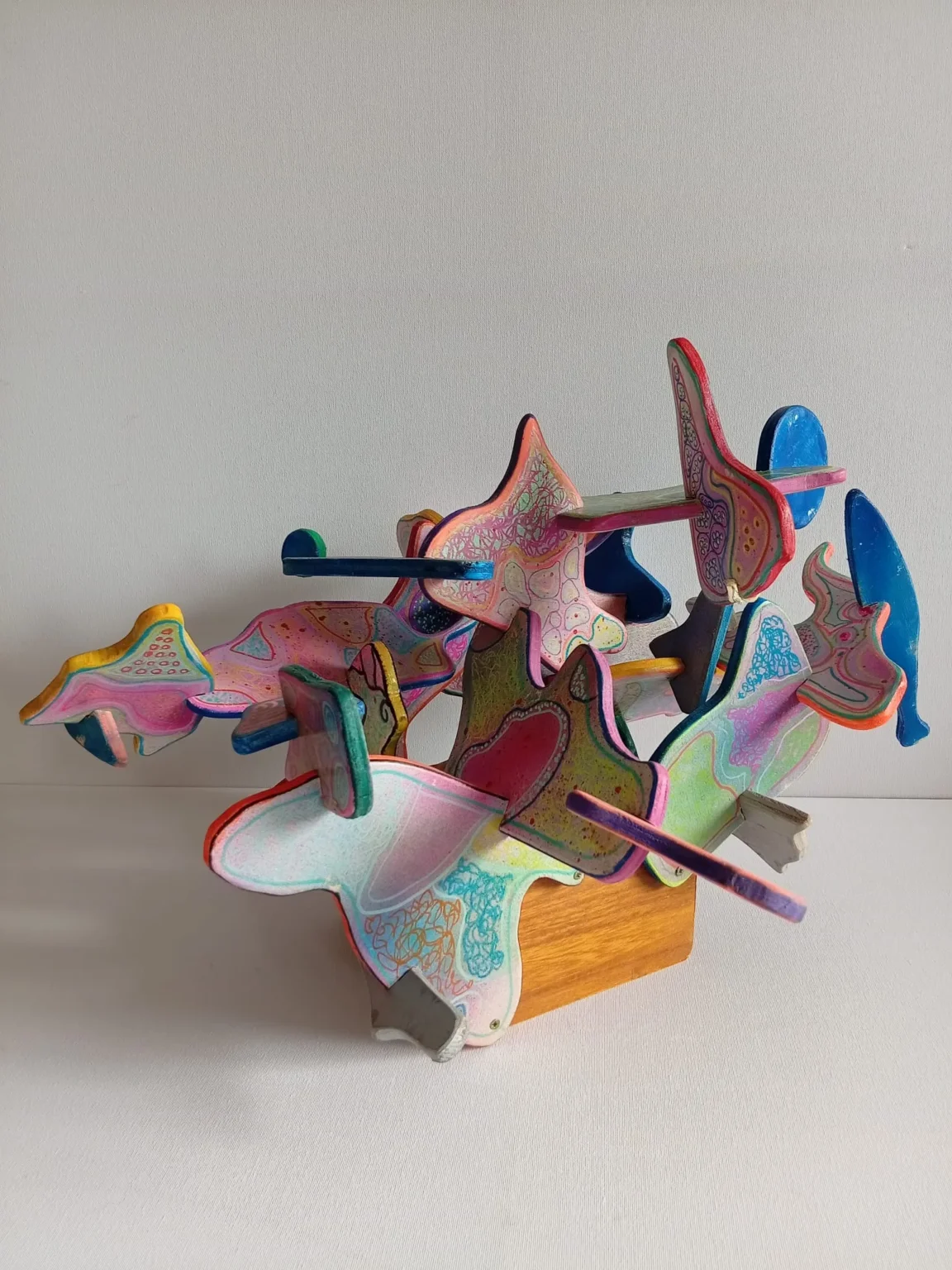
El nuevo orden de la maderaA fa új rendjeA New Order for Wood
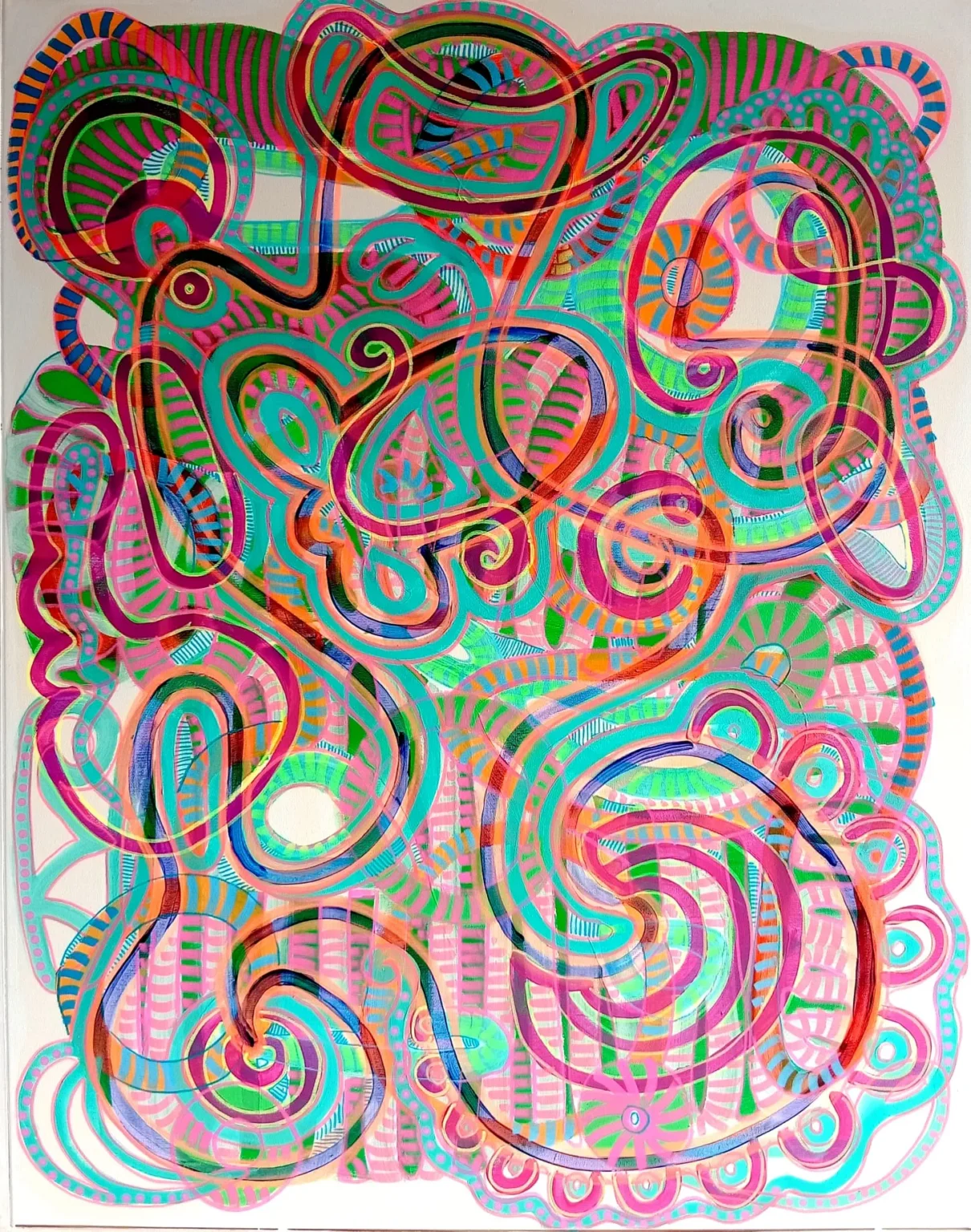
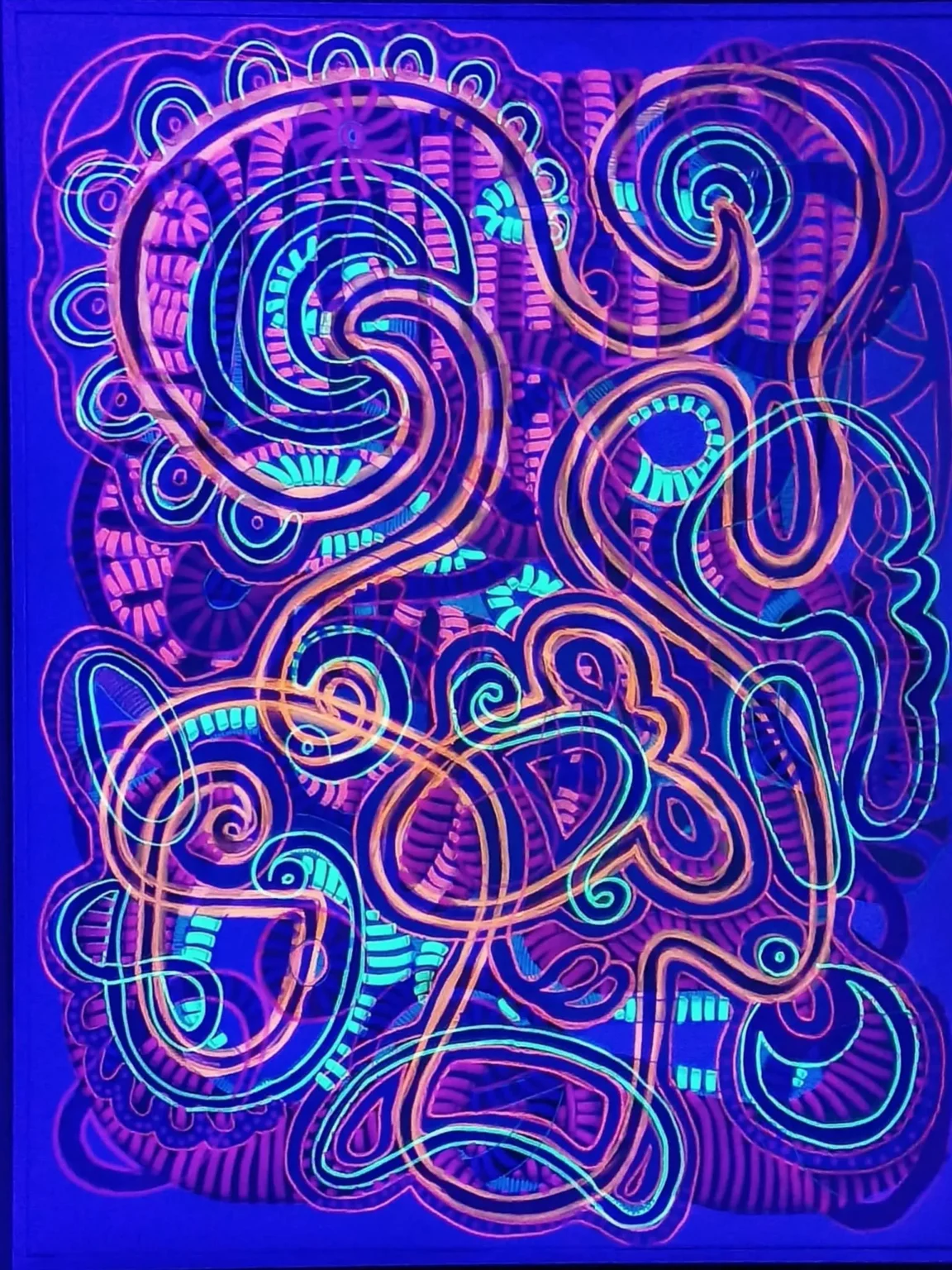
Los senderos de la naturalezaA természet ösvényeiNature’s Pathways
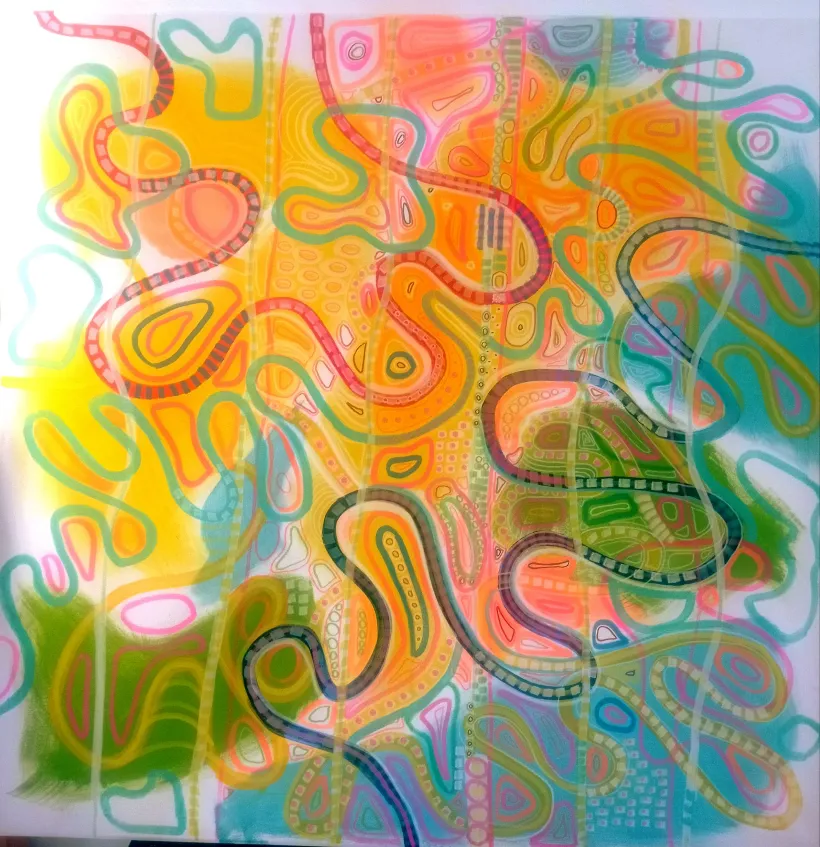
Buenos díasJó reggeltGood morning
El mensaje de la esperanzaA remény üzeneteThe Message of Hope

Solo se vive una vez.Egyszer élünkWe live once.
DimensionesDimenziókDimensional
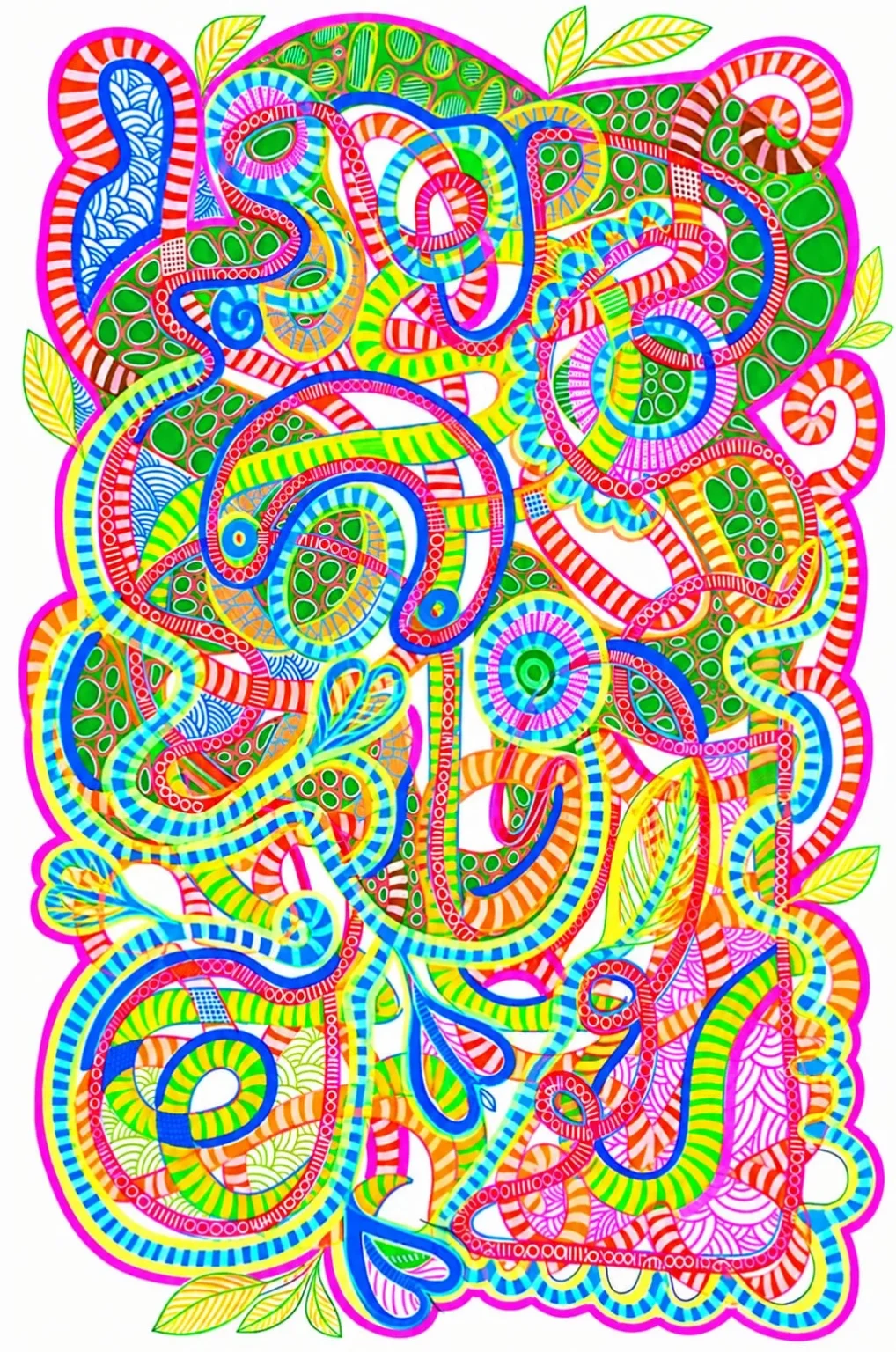
Los senderos de la luzA fény ösvényeiThe paths of light
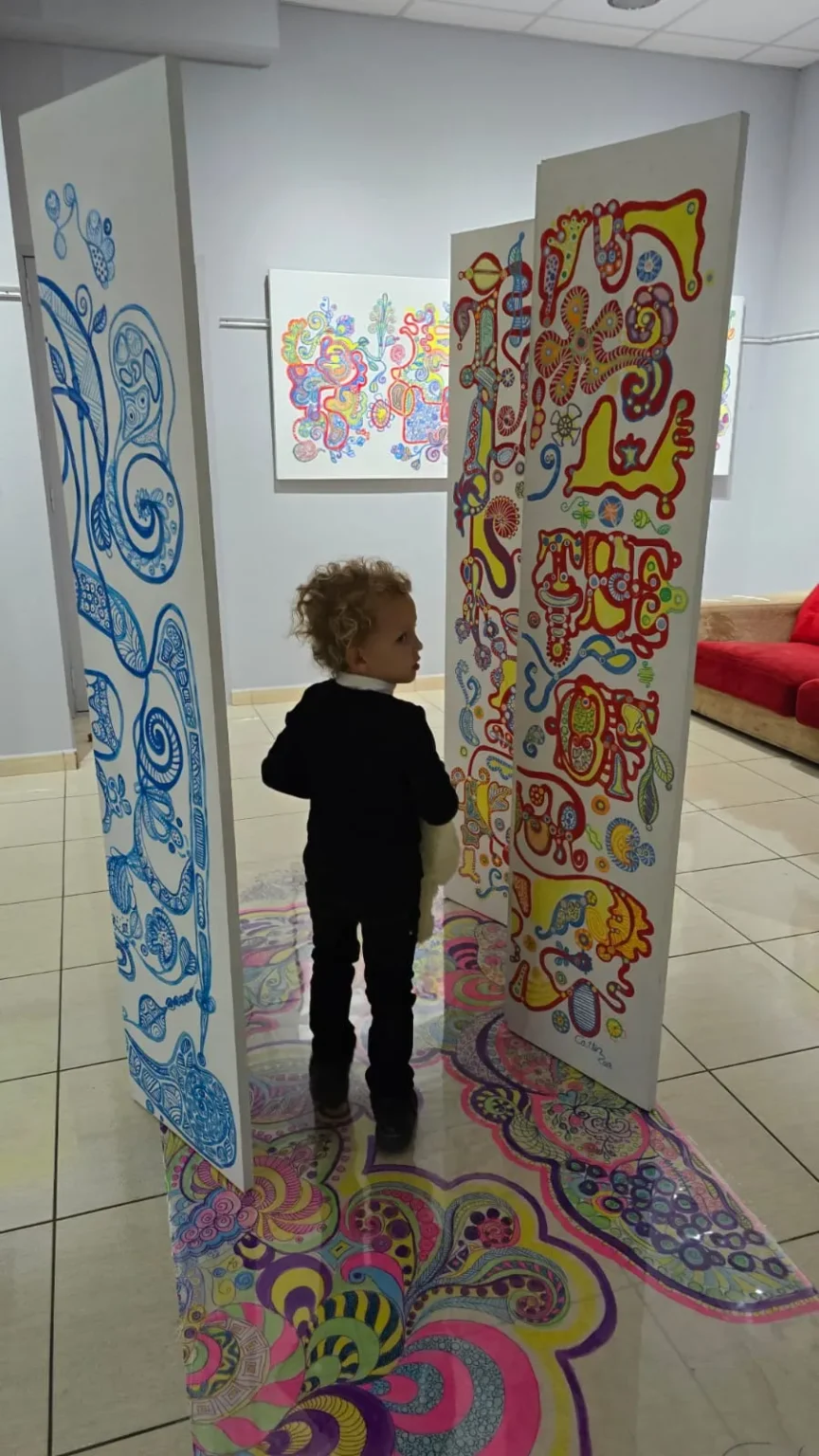
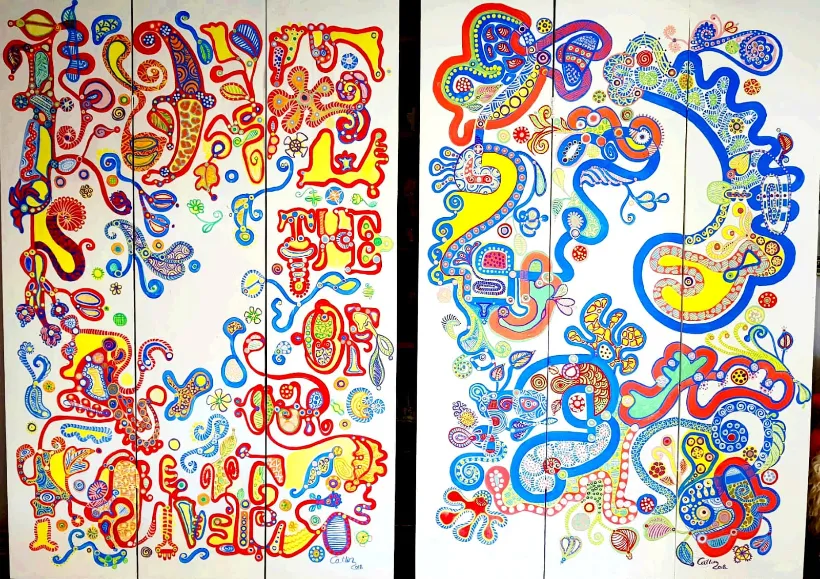
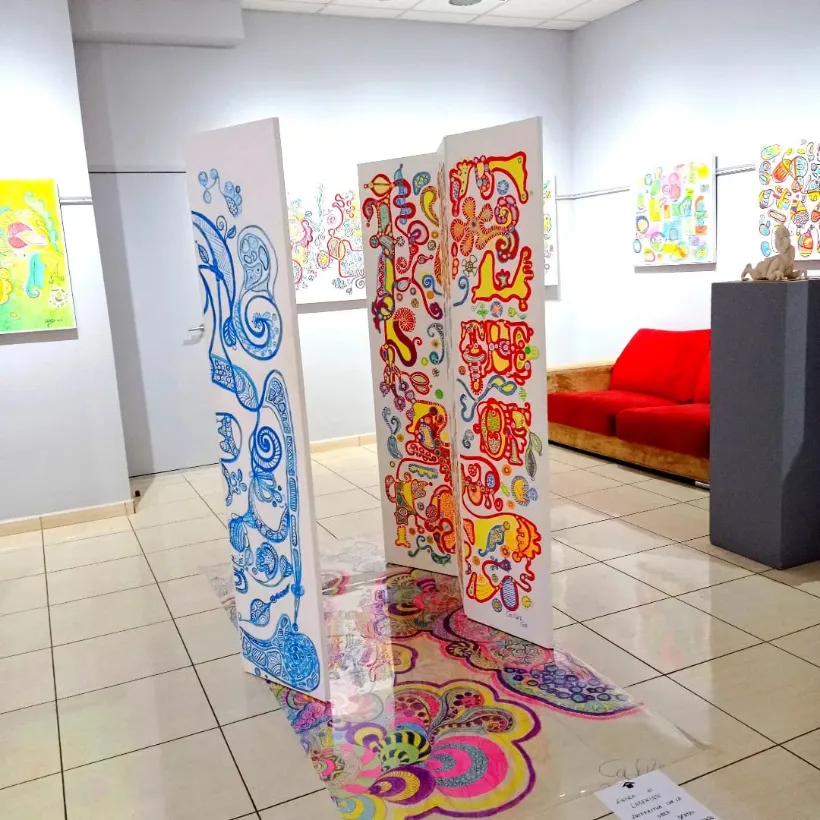
El callejón del arteA művészet sikátoraThe alley of art
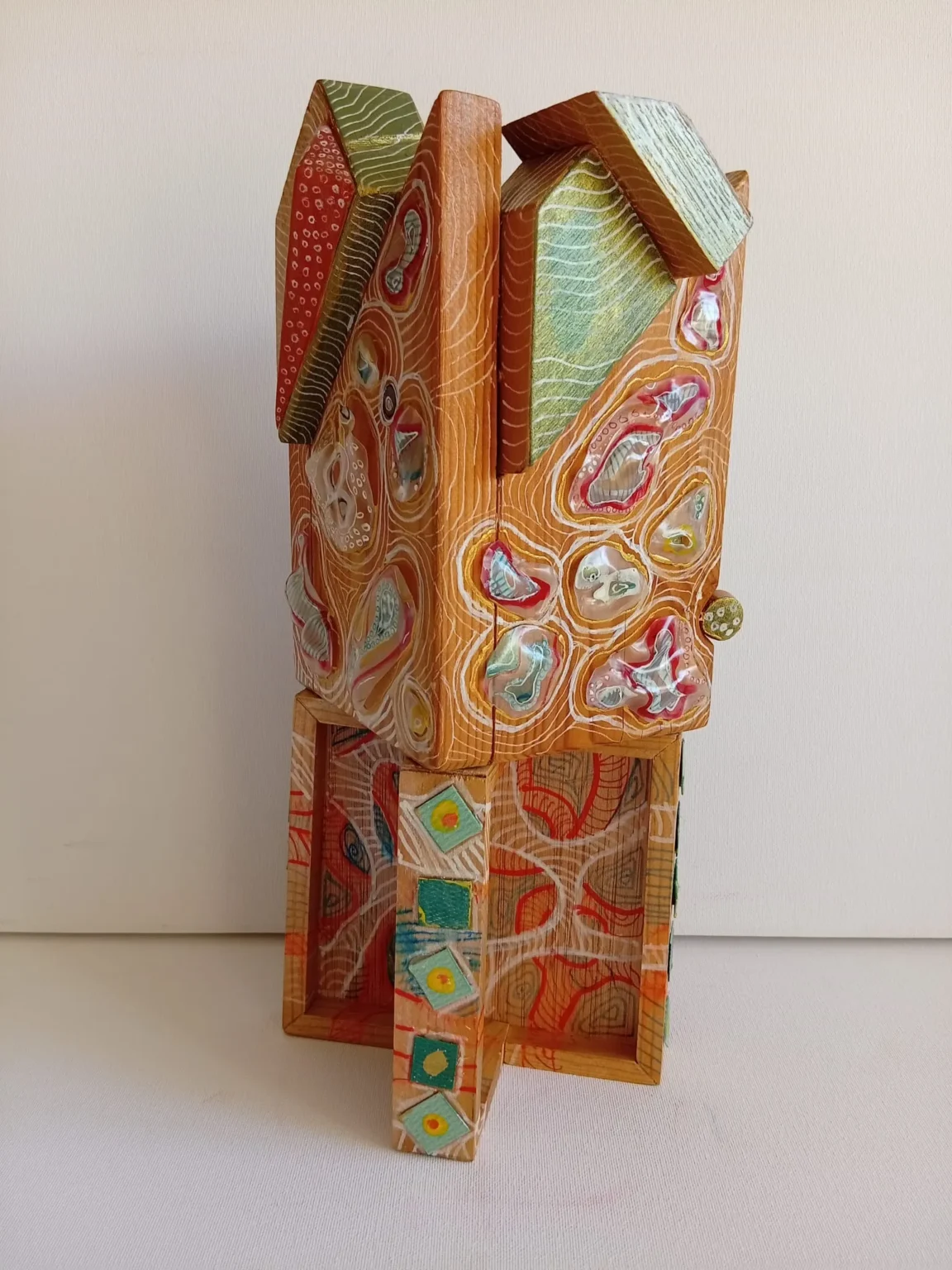
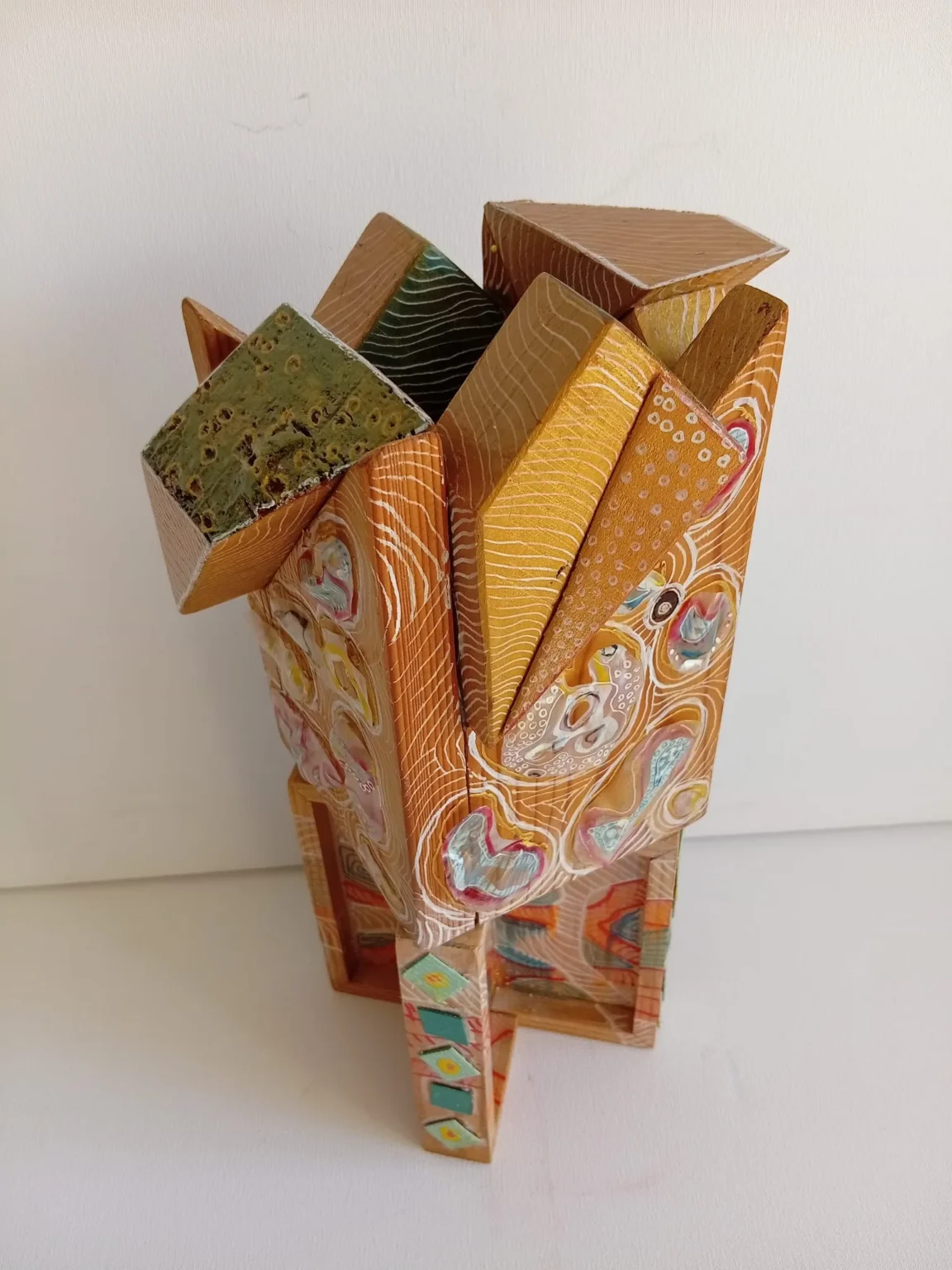
Torre engalanadaCifra toronyOrnate Tower
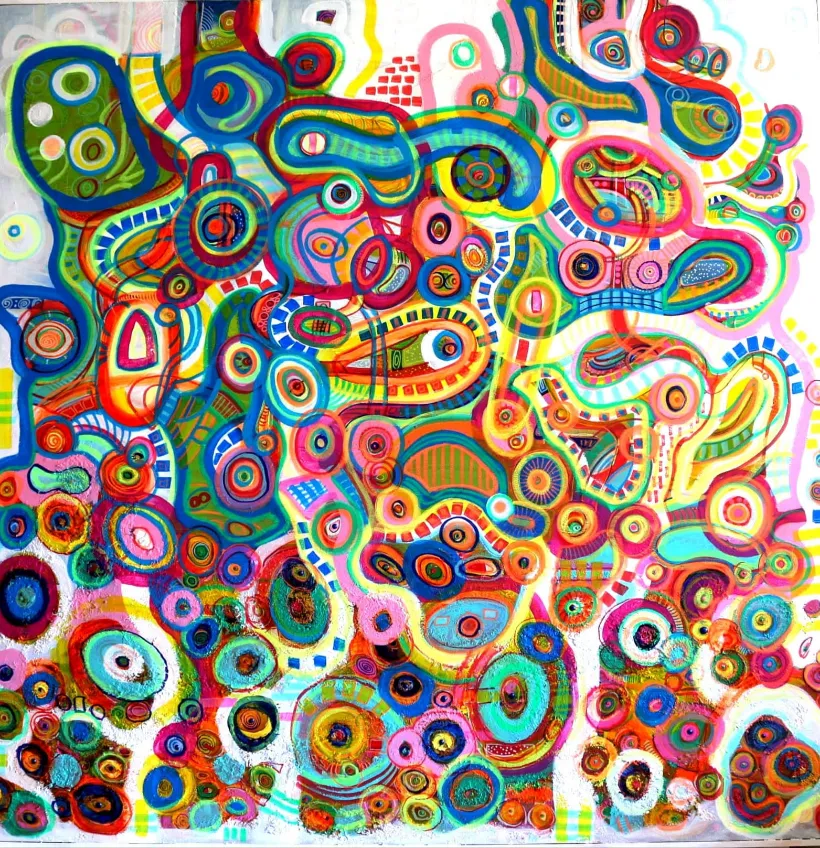
Estoy contigo en pensamientoGondolatban veled vagyokWith You in My Thoughts
Tierra, mujer, vidaFöld, nő, életEarth, Woman, Life
La tierra nos sostiene y nos alimenta. En las obras de Catlin Schlosser Bautista, la Madre Tierra toma una y otra vez forma de mujer. En las esculturas y en la composición que reúne pintura y escultura, la fertilidad de la tierra se encuentra con la fuerza creadora de la mujer, que da continuidad a la vida. El cuidado de la tierra está presente también en la elección de los materiales. Desde hace más de cincuenta años, la artista trabaja con materiales reutilizados y reciclables. En sus manos, la madera ya usada y otros materiales recuperados adquieren una nueva forma. La experiencia de ser mujer muestra muchos rostros en las pinturas y en las pequeñas esculturas. En tres figuras casi idénticas se adivinan tres caracteres distintos. En La picota del alma, el cuerpo encorvado de una mujer hace visible la experiencia interior del encierro. En otras obras, la figura femenina se deforma hasta casi disolverse en formas abstractas. Una serie de cuatro obras traza una línea temporal que muestra cómo cambia la mirada de la sociedad sobre la mujer y cómo el menosprecio que viene de fuera puede convertirse, poco a poco, en una voz interior. En la instalación Espejito, espejito, dime…, la pregunta del cuento se dirige a quien se acerca. En el espejo encuentra su propio rostro. ¿Cuánto hay de la mirada ajena en lo que vemos de nosotros mismos? Las formas insólitas de la naturaleza llevan la mirada hacia la abstracción. Las figuras que reúnen rasgos humanos y mecánicos evocan un futuro imaginado. En él conviven la esperanza de que la vida continúe y la inquietud ante el avance de la robótica. Las obras nos llevan así del cuidado de la tierra a la dignidad humana y a la búsqueda de nuestra propia identidad. ¿Qué cuidamos de aquello que nos da vida y qué conservamos de nosotros mismos en el mundo que estamos construyendo?
A föld hordoz és táplál bennünket. Catlin Schlosser Bautista műveiben az Anyaföld újra és újra női alakot ölt. A szobrokban és a festményt plasztikával összekapcsoló kompozícióban a föld termékenysége és az életet továbbadó nő teremtő ereje találkozik. A földről való gondoskodás az anyagválasztásban is jelen van. A művész több mint ötven éve használ újrahasznosított és újrahasznosítható anyagokat. Keze nyomán az elhasznált fa és más megőrzött anyagok új formát kapnak. A női lét sokféle arca bontakozik ki a festményeken és a kisplasztikákban. Három, szinte egyforma alakban három különböző karakter sejlik fel. A lélek kalodájában a meggörnyedt női test a bezártság lelki tapasztalatát teszi láthatóvá. Másutt a nőalak eltorzul, majd szinte feloldódik az absztrakt formákban. Egy négy műből álló sorozat idővonalként követi, hogyan változik a nő társadalmi megítélése, és hogyan válhat a kívülről érkező leértékelés lassan belső hanggá. A Tükröm, tükröm, mondd meg nékem… installációban a mese kérdése a látogatóhoz fordul. A tükörben a saját arcával találkozik. Vajon mennyi van abban, amit önmagából lát, mások tekintetéből? A természet különös formái az absztrakció felé vezetik a tekintetet, az emberi és gépi vonásokat ötvöző alakok pedig már egy elképzelt jövőt idéznek. Ebben a jövőben egyszerre van jelen az élet folytatásának reménye és a robotika térnyerése miatti aggodalom. A művek így a föld megóvásától az emberi méltóságig és önazonosságig vezetnek. Mit óvunk meg abból, ami életet ad, és mit őrzünk meg önmagunkból abban a világban, amelyet most alakítunk?
The earth sustains and nourishes us. In the work of Catlin Schlosser Bautista, Mother Earth takes the form of a woman again and again. In the sculptures and in the composition that brings painting and sculpture together, the fertility of the earth meets the creative power of women who carry life forward. Care for the earth also shapes the artist’s choice of materials. For more than fifty years, she has worked with reused and recyclable materials. In her hands, old wood and other salvaged materials take on new forms. The paintings and small sculptures reveal many faces of womanhood. Three almost identical figures suggest three distinct personalities. In The Pillory of the Soul, the bent body of a woman makes the inner experience of confinement visible. Elsewhere, the female figure is distorted until it almost dissolves into abstract forms. A series of four works traces how society’s view of women changes over time and how being devalued by others can gradually become an inner voice. In the installation Mirror, Mirror, Tell Me…, the fairy tale’s question turns to the visitor. In the mirror, they meet their own reflection. How much of what we see in ourselves comes from the way others look at us? Nature’s unusual forms draw the eye towards abstraction. Figures that combine human and mechanical features evoke an imagined future. In that future, hope for the continuation of life sits alongside unease about the advance of robotics. The works lead us from care for the earth to questions of human dignity and identity. What will we protect of all that gives us life, and what will we preserve of ourselves in the world we are shaping?
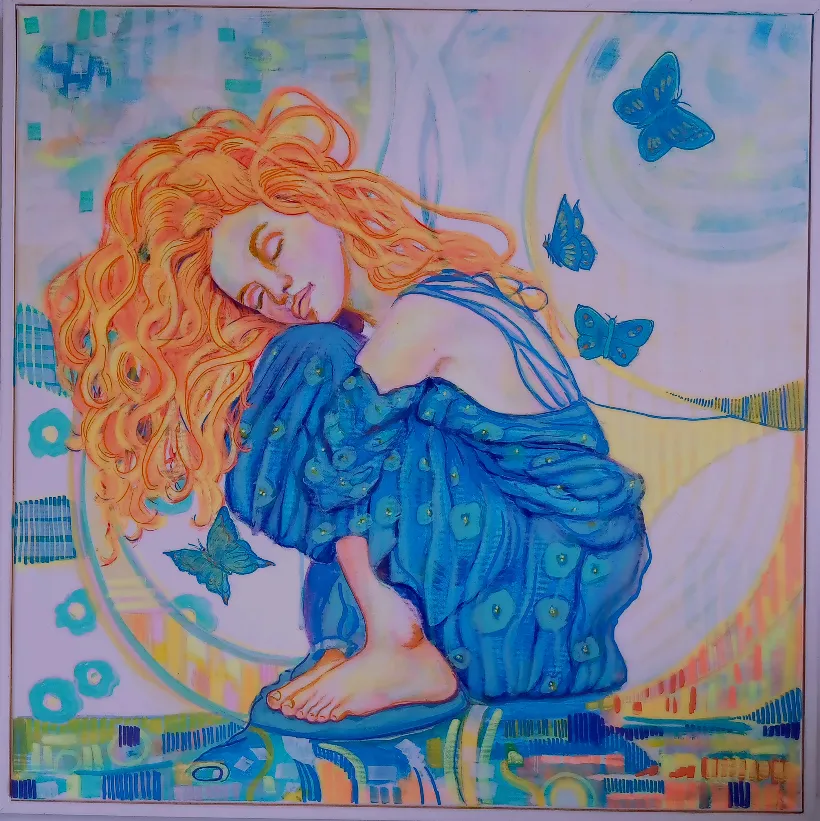
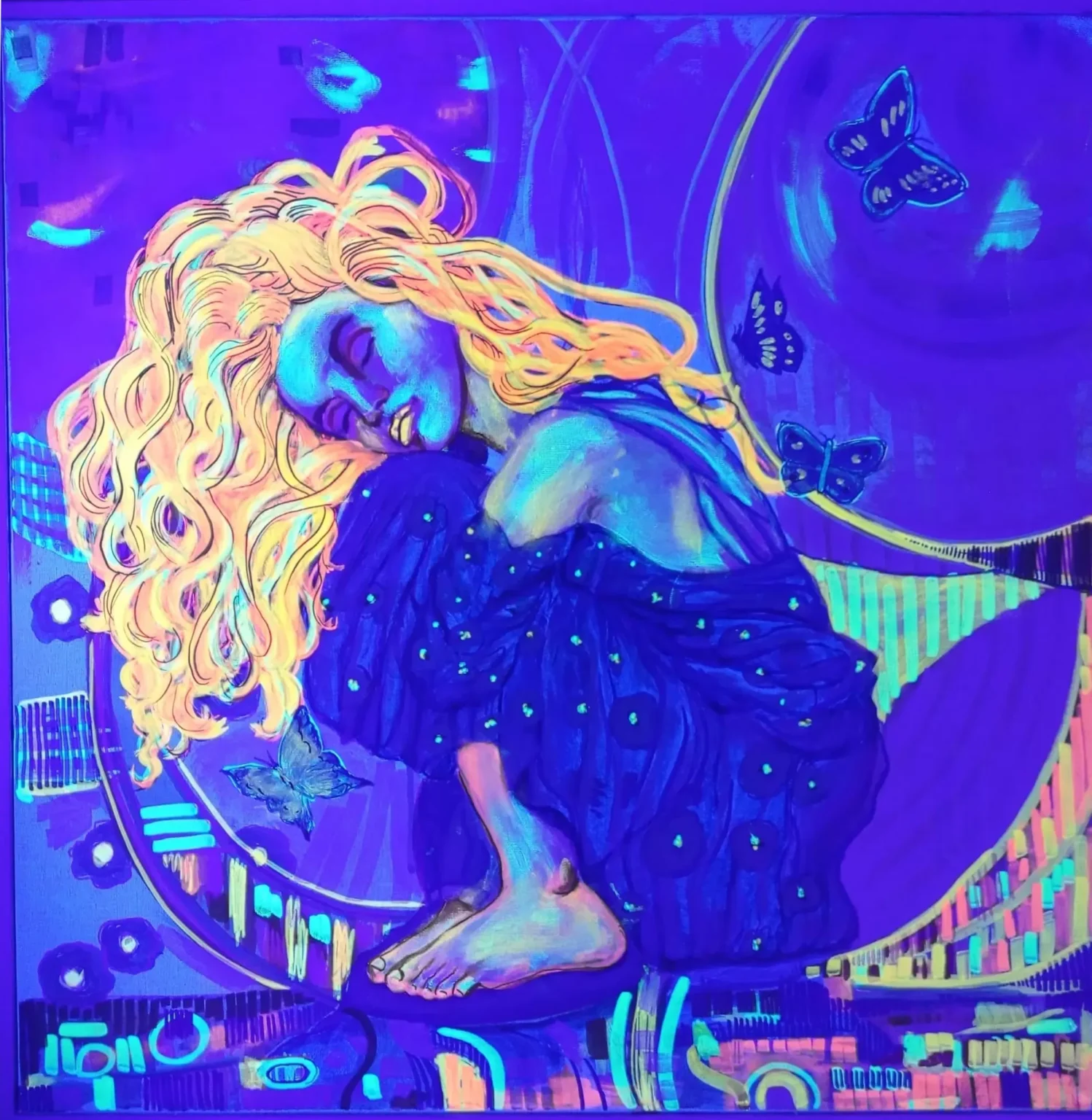
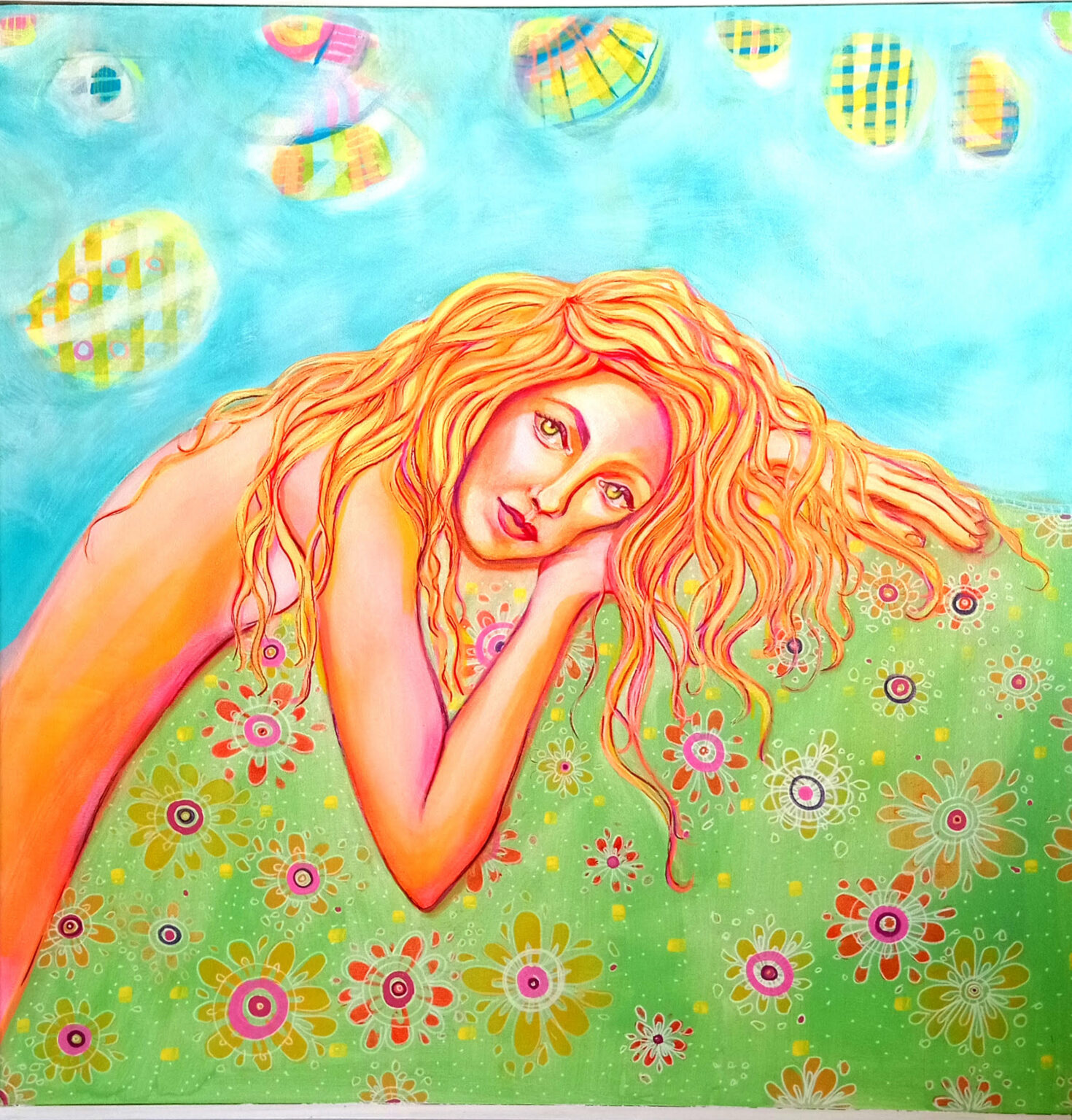
Entre los brazos de los sueñosÁlmok ölelésébenIn the Embrace of Dreams
La misma mujer que se atreve a sentirse reina se recoge ahora en su mundo interior. Acurrucada, descansa entre los brazos de sus sueños mientras los colores, las flores, las mariposas y la luz crean el universo que ella imagina. No huye de la realidad; se alimenta de la imaginación que le ofrece esperanza, belleza y futuro. Toda mujer guarda sueños en su interior, y son ellos los que le permiten descubrir una y otra vez la belleza del mundo.
Ugyanaz a nő, aki királynőnek meri érezni magát, most csendesen saját belső világába húzódik vissza. Összegömbölyödve, álmai ölelésében pihen, miközben a körülötte kibontakozó színek, virágok, pillangók és fények egy általa teremtett világot idéznek. Nem a valóságból menekül, hanem abból a képzeletből táplálkozik, amely reményt, szépséget és jövőt ad. Minden nő őriz magában álmokat – néha csendesen, néha bátran –, és ezek az álmok segítenek újra és újra felfedezni a világ szépségét.
The same woman who dares to feel like a queen now withdraws into her inner world. Curled up in peace, she rests in the embrace of her dreams, surrounded by colours, flowers, butterflies and light that form a world of her own creation. She is not escaping reality; she is nourished by imagination, hope and beauty. Every woman carries dreams within her, and those dreams help her rediscover the beauty of the world again and again.
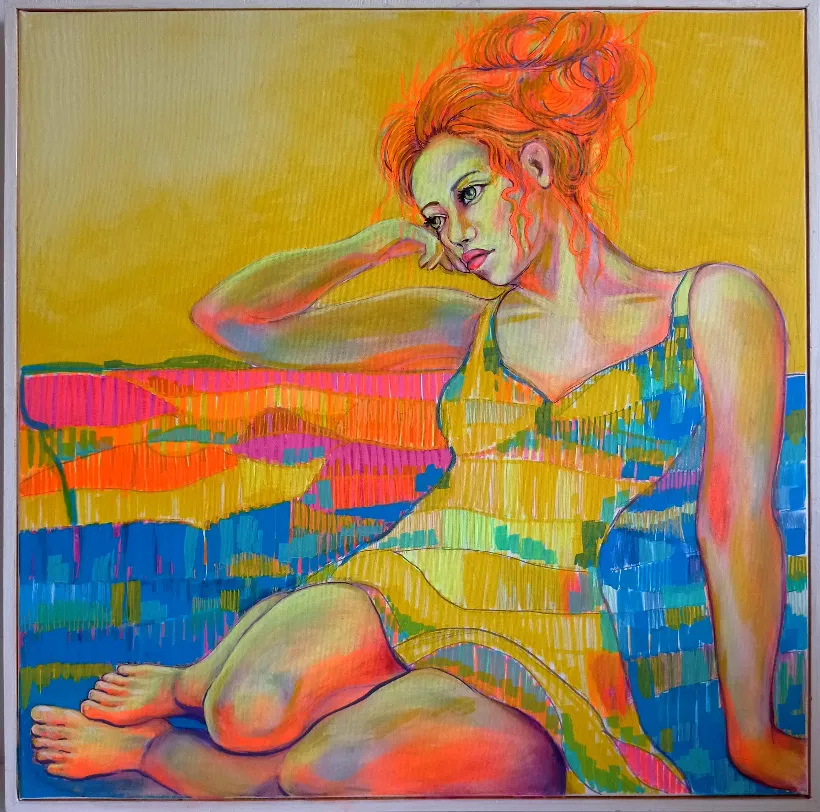
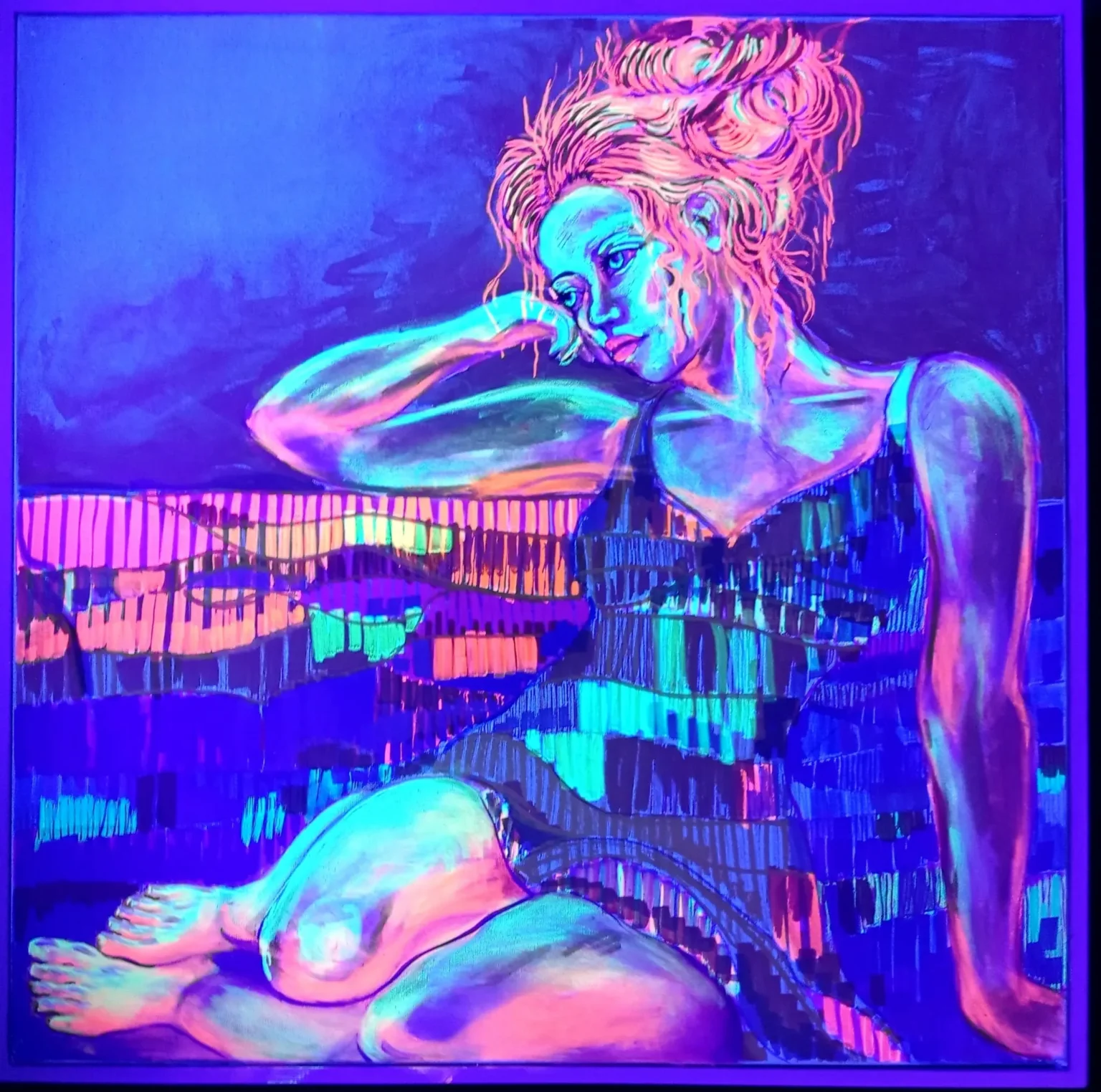
Aquí… y, sin embargo, en otra parte.Itt… és mégis máshol.Here… and yet elsewhere.
La obra muestra un estado interior de calma. El cuerpo de la mujer permanece presente, mientras su mirada viaja lejos. Exteriormente hay armonía, belleza y serenidad; interiormente vive un deseo silencioso de algo o de alguien que trasciende el momento presente. No habla de ausencia, sino del viaje íntimo del alma. Cada espectador puede imaginar hacia dónde se dirige su pensamiento.
A kép egy csendes belső állapotot jelenít meg. A nő teste nyugalomban van, tekintete azonban messzire vezet. Kívül harmónia, biztonság és szépség látható, belül mégis egy kimondhatatlan vágy él: valami vagy valaki után, ami túlmutat a jelen pillanaton. Nem a hiányról szól, hanem a lélek csendes utazásáról. A néző maga döntheti el, hogy emlékek, álmok vagy remények felé indul-e a tekintet.
This painting portrays a quiet inner state. The woman's body is fully present, yet her gaze drifts far away. Outwardly there is harmony, beauty and calm; inwardly there is a silent longing for something—or someone—beyond the present moment. It is not about absence, but about the soul's quiet journey. The viewer is invited to imagine where her thoughts have gone.
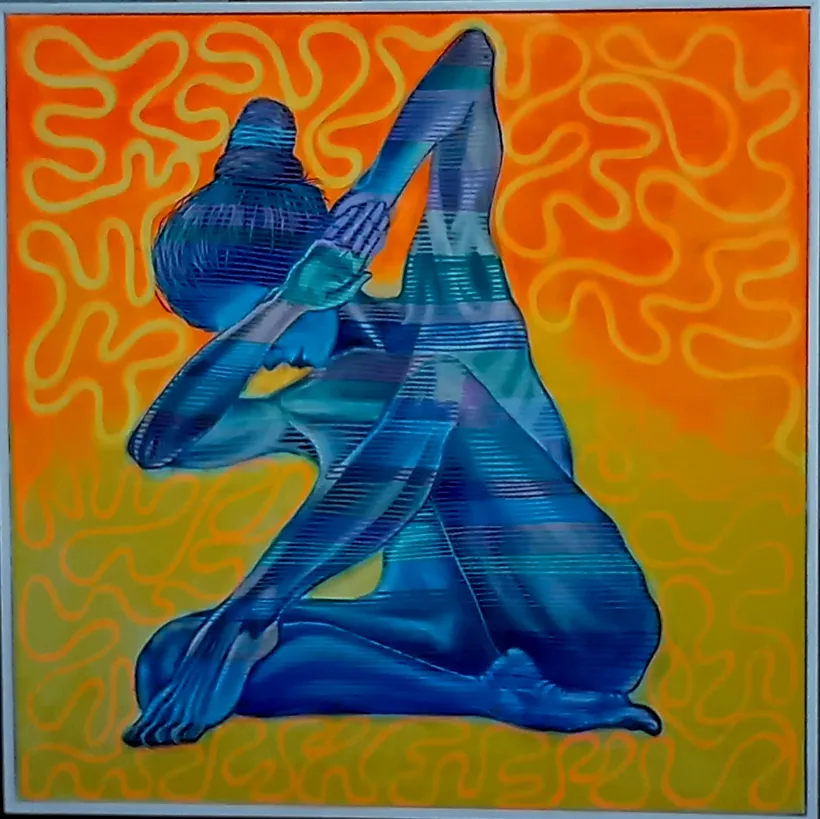
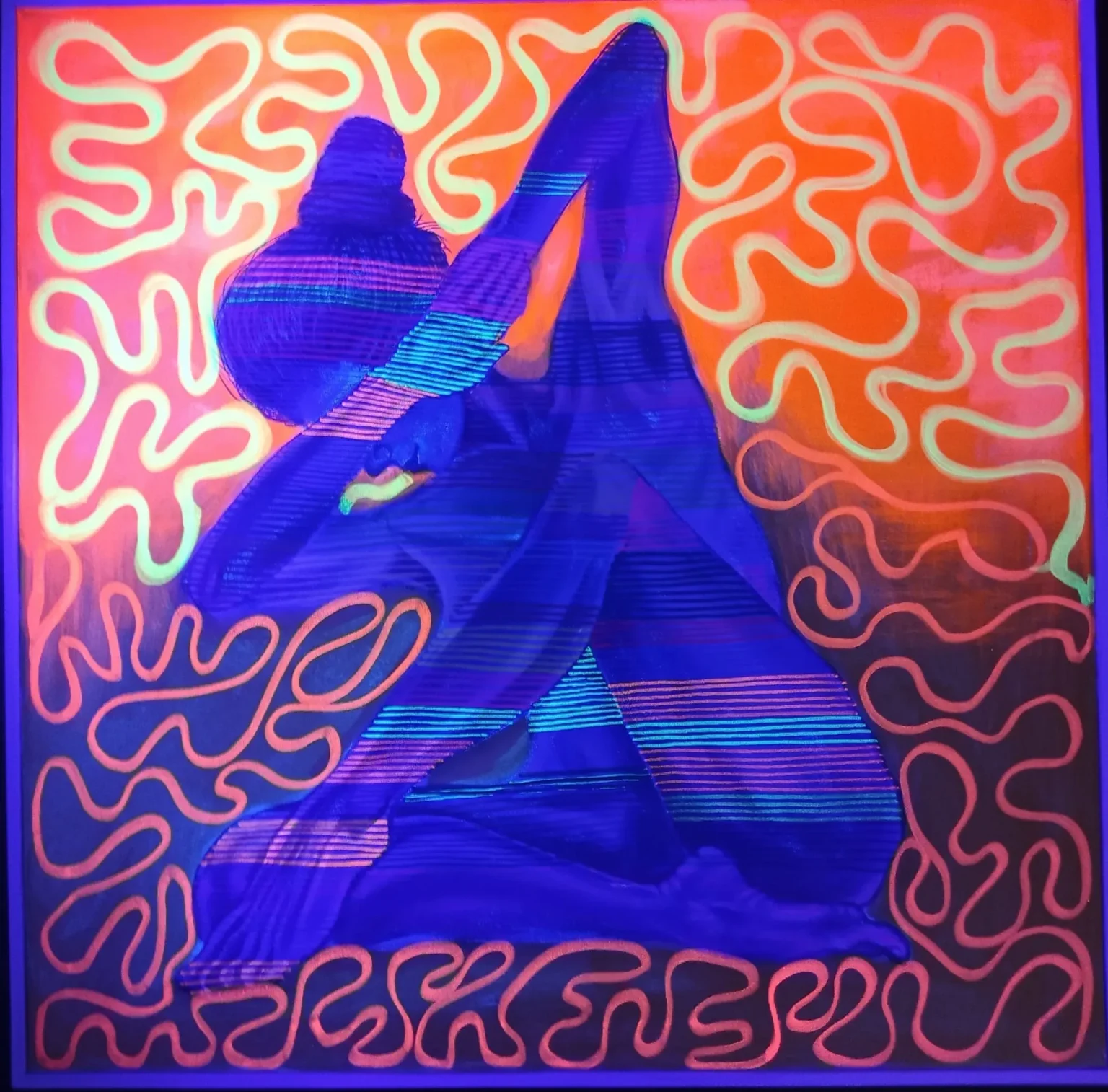
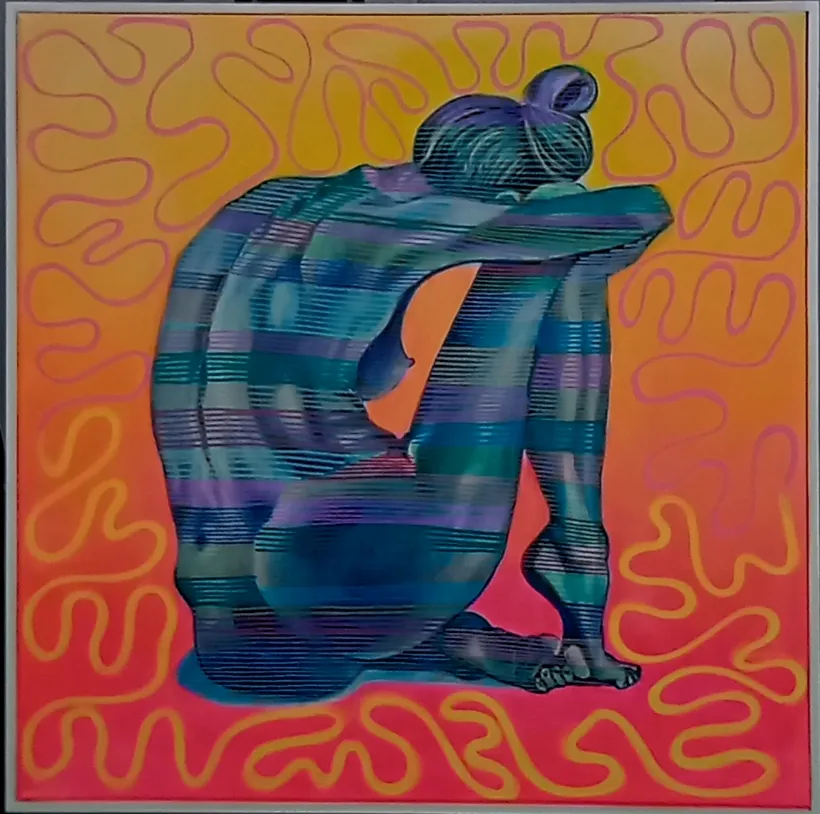
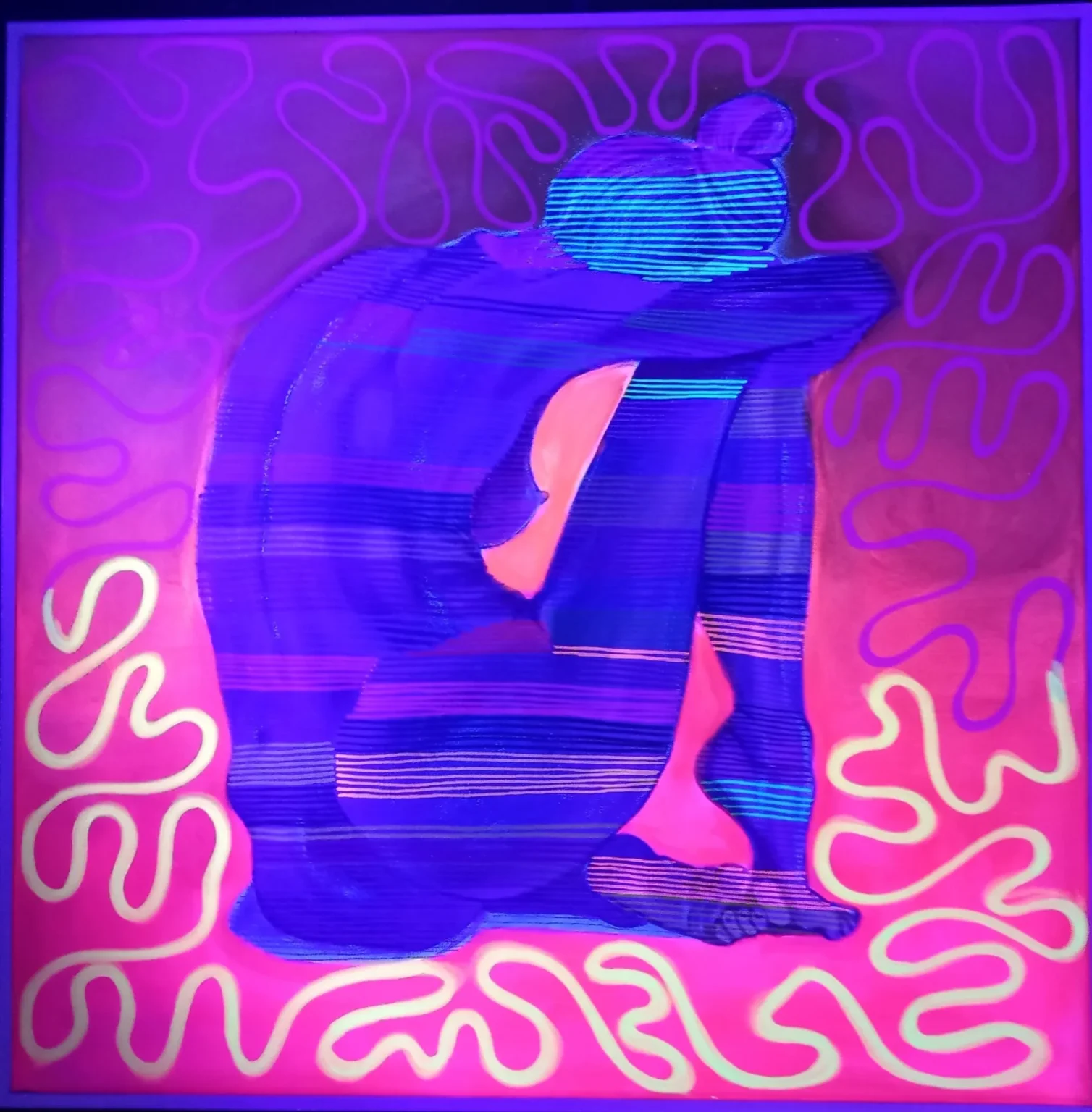
Copia defectuosa I, II, III, IV.Hibás másolat I, II, III, IV.Defective copy , II, III, IV.
Serie – 4 obras
Las cuatro figuras femeninas son cuatro manifestaciones diferentes de una misma idea. Sus cuerpos son serenos y armoniosos, y su mirada se dirige hacia su interior. No buscan el contacto con el espectador, sino que permanecen en su propio mundo interior. El énfasis no recae en la corporalidad, sino en la presencia interior del ser humano. El fondo no es una mera superficie de color. Las líneas onduladas, que se extienden a lo largo de tonos amarillos, naranjas y rojos incandescentes y parecen infinitas, evocan un potente campo de energía. Simbolizan las vibraciones constantes, el ruido, el torrente de información y la presión del mundo que nos rodea. Este entorno puede resultar a la vez atractivo e inquietante: brilla, pero quema. Un entorno que nos influye constantemente, nos moldea y hace cada vez más difícil mantener nuestro equilibrio interior. Los cuerpos pintados de azul crean un marcado contraste con ello. Para mí, el azul no es el color de la frialdad, sino el de la dimensión espiritual: simboliza a esa persona interior que, a pesar de las influencias externas, desea seguir siendo ella misma. Las franjas de color que recorren los cuerpos dan la sensación de un error de impresión o de una distorsión digital. Su significado se deja deliberadamente abierto. Pueden aludir a un fallo técnico, a fallos del sistema o a esa época en la que la tecnología ya no solo fija, sino que también transforma la imagen del ser humano. Es capaz de corregir, embellecer y perfeccionar, al tiempo que nos aleja, sin que nos demos cuenta, de nuestra propia realidad. «La copia defectuosa» no afirma que la tecnología sea buena o mala. Más bien llama la atención sobre el hecho de que, en nuestra época, la frontera entre el original y la copia se vuelve cada vez más difusa. ¿Vemos quiénes somos realmente o solo la imagen que el mundo —o nosotros mismos— creamos de nosotros mismos? La respuesta puede ser diferente para cada espectador.
Sorozat – 4 alkotás
A négy nőalak ugyanannak a gondolatnak négy különböző megjelenése. Testük nyugodt és harmonikus, tekintetük befelé fordul. Nem keresik a nézővel a kapcsolatot, hanem saját belső világukban maradnak. A hangsúly nem a testiségen, hanem az ember belső jelenlétén van. A háttér nem pusztán színes felület. Az izzó sárga, narancs és vörös árnyalatokon végighúzódó, végtelennek tűnő hullámvonalak egy erőteljes energiamezőt idéznek. A körülöttünk lévő világ folyamatos rezgéseit, zaját, információáradatát és nyomását jelképezik. Ez a közeg egyszerre lehet vonzó és nyugtalanító: ragyog, mégis éget. Olyan környezet, amely állandóan hat ránk, formál bennünket, és egyre nehezebbé teszi, hogy megőrizzük belső egyensúlyunkat. A kékre festett testek ezzel éles ellentétet alkotnak. A kék számomra nem a hidegség, hanem a lelki dimenzió színe: azt a belső embert jelképezi, aki a külső hatások ellenére is önmaga szeretne maradni. A testeken végighúzódó színes sávok egy hibás nyomtatás vagy digitális torzulás érzetét keltik. Jelentésük szándékosan nyitott. Utalhatnak technikai hibára, a rendszer zavaraira, vagy arra a korszakra, amelyben a technológia már nemcsak rögzíti, hanem át is alakítja az ember képét. Képes javítani, szépíteni és tökéletesíteni, miközben észrevétlenül eltávolíthat bennünket saját valóságunktól. A Hibás másolat nem azt állítja, hogy a technológia jó vagy rossz. Inkább arra hívja fel a figyelmet, hogy korunkban az eredeti és a másolat közötti határ egyre bizonytalanabbá válik. Vajon azt látjuk, akik valóban vagyunk, vagy már csak azt a képet, amelyet a világ – vagy mi magunk – létrehozunk önmagunkról? A válasz minden néző számára más lehet.
Series – 4 works
The four female figures are four different manifestations of the same idea. Their bodies are calm and harmonious; their gaze is turned inwards. They do not seek connection with the viewer, but remain within their own inner worlds. The emphasis is not on physicality, but on the human inner presence. The background is not merely a coloured surface. The seemingly endless wavy lines, stretching across glowing shades of yellow, orange and red, evoke a powerful energy field. They symbolise the constant vibrations, noise, flood of information and pressure of the world around us. This environment can be both alluring and unsettling: it glows, yet it burns. It is an environment that constantly affects us, shapes us, and makes it increasingly difficult to maintain our inner balance. The bodies painted blue stand in sharp contrast to this. For me, blue is not the colour of coldness, but of the spiritual dimension: it symbolises the inner self that wishes to remain true to itself despite external influences. The coloured stripes running across the bodies give the impression of a printing error or digital distortion. Their meaning is deliberately open to interpretation. They may allude to a technical fault, system malfunctions, or to an era in which technology no longer merely records but also transforms the human image. It is capable of correcting, embellishing and perfecting, whilst imperceptibly distancing us from our own reality. *The Flawed Copy* does not claim that technology is good or bad. Rather, it draws attention to the fact that, in our time, the boundary between the original and the copy is becoming increasingly blurred. Do we see who we truly are, or merely the image that the world – or we ourselves – create of ourselves? The answer may be different for every viewer.
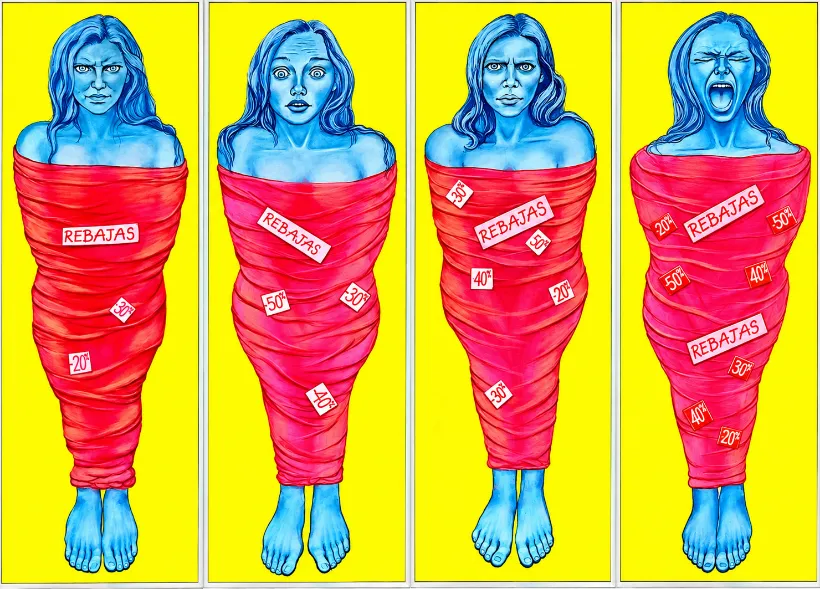
DesvalorizaciónLeértékelődésDevaluation
Desvalorización no habla del verdadero valor de la mujer, sino de cómo la sociedad, en ocasiones, la trata como si fuera un producto rebajado. Este políptico traza un recorrido emocional: desde el desconcierto hasta la incertidumbre, la resistencia y un grito silencioso. La obra invita a reflexionar sobre el hecho de que el valor no reside en la juventud, la belleza ni en responder a las expectativas externas. No es la mujer quien pierde su valor, sino la mirada que juzga únicamente por la apariencia. Desvalorización es, por tanto, una crítica social y también un recordatorio: la dignidad humana no puede rebajarse.
A Leértékelődés nem a nő valódi értékéről szól, hanem arról, ahogyan a társadalom időnként úgy bánik vele, mintha egy leárazott termék lenne. A négyrészes kompozíció érzelmi utat rajzol: a döbbenettől a bizonytalanságon és az ellenálláson át a néma kiáltásig. A mű arra hívja fel a figyelmet, hogy az érték nem a fiatalságban, a szépségben vagy a külső elvárásoknak való megfelelésben rejlik. Nem a nő veszít az értékéből – hanem az a tekintet értéktelenedik el, amely kizárólag a külsőségek alapján ítél. A Leértékelődés így nemcsak társadalomkritika, hanem emlékeztető is: az emberi méltóság nem leárazható.
Devaluation is not about a woman's true worth, but about the way society sometimes treats her as if she were a discounted product. This polyptych traces an emotional journey from shock through uncertainty and resistance to a silent cry. The work reminds us that human value does not lie in youth, beauty, or conformity to external expectations. It is not the woman who loses her value; it is the gaze that judges only appearances.
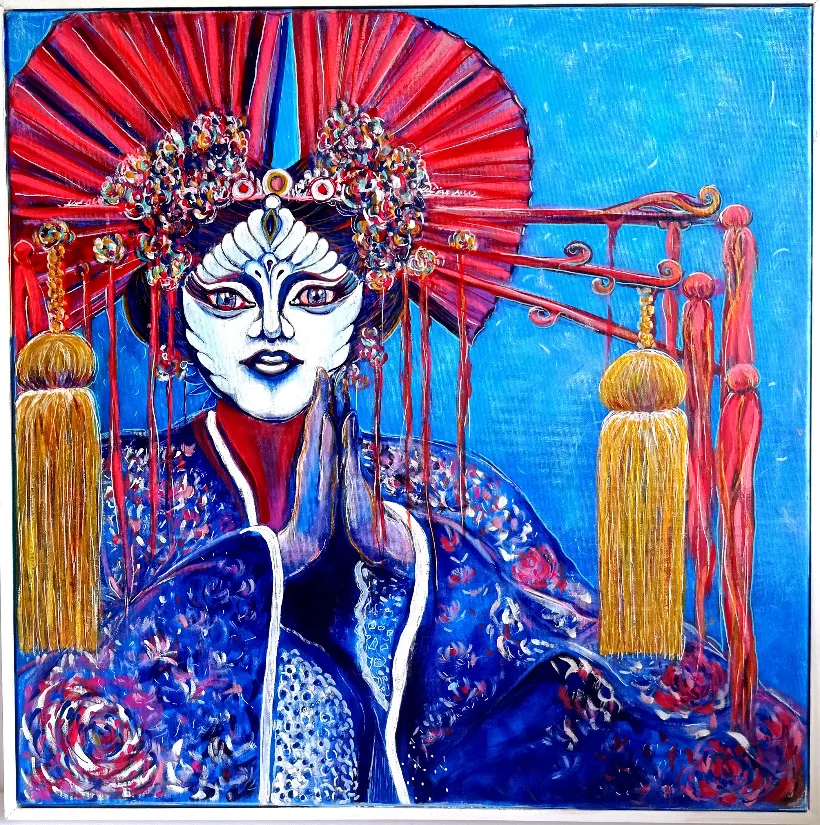
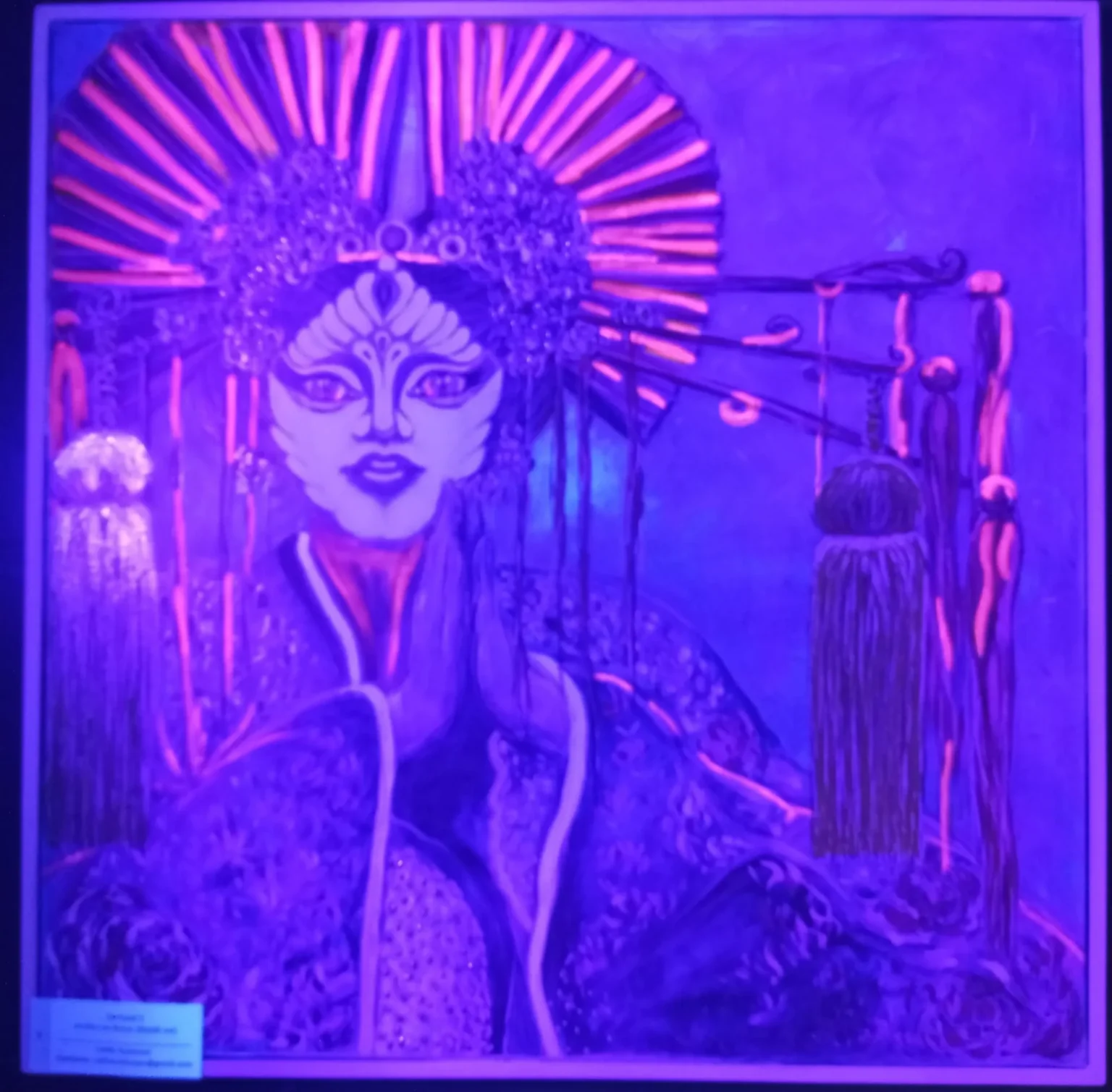
Detrás de la máscaraMaszk mögöttBehind the mask
La figura de la geisha que aparece en esta imagen no representa a una persona concreta, sino un papel. Una apariencia que la persona se pone para cumplir con una expectativa, una tradición o un momento. A lo largo de nuestra vida, todos llevamos diferentes máscaras. Asumimos roles en la familia, en el trabajo y en nuestras comunidades. Estos roles nos ayudan a orientarnos en el mundo, pero al mismo tiempo pueden ocultar nuestro verdadero yo. La imagen no pregunta quién está delante de la máscara, sino quién hay detrás de ella. ¿Qué queda de esa persona cuando se desprenden las capas de los roles, las expectativas y la apariencia exterior? «Detrás de la máscara» no trata de las apariencias, sino del mundo interior oculto. De esa persona a la que el mundo exterior a menudo ya no ve, pero que, sin embargo, es quien permanece inmutable detrás de cada papel.
A gésa alakja ezen a képen nem egy konkrét személyt ábrázol, hanem egy szerepet. Egy olyan külsőt, amelyet az ember magára ölt, hogy megfeleljen egy elvárásnak, egy hagyománynak vagy egy pillanatnak. Életünk során mindannyian különböző maszkokat viselünk. Szerepeket vállalunk a családban, a munkában, a közösségeinkben. Ezek a szerepek segítenek eligazodni a világban, ugyanakkor el is takarhatják valódi önmagunkat. A kép nem azt kérdezi, hogy ki áll a maszk előtt, hanem azt, hogy ki van mögötte. Mi marad abból az emberből, amikor a szerepek, az elvárások és a külső megjelenés rétegei lehullanak? A Maszk mögött nem a látszatról, hanem a rejtett belső világról szól. Arról az emberről, akit a külvilág sokszor már nem lát, mégis ő az, aki minden szerep mögött változatlanul jelen van.
The figure of the geisha in this picture does not depict a specific person, but rather a role. An appearance that one adopts in order to conform to an expectation, a tradition or a moment in time. Throughout our lives, we all wear different masks. We take on roles within our families, at work and in our communities. These roles help us find our way in the world, yet they can also conceal our true selves. The picture does not ask who stands in front of the mask, but who is behind it. What remains of a person when the layers of roles, expectations and outward appearances fall away? *Behind the Mask* is not about appearances, but about the hidden inner world. It is about the person whom the outside world often no longer sees, yet who remains ever-present behind every role.
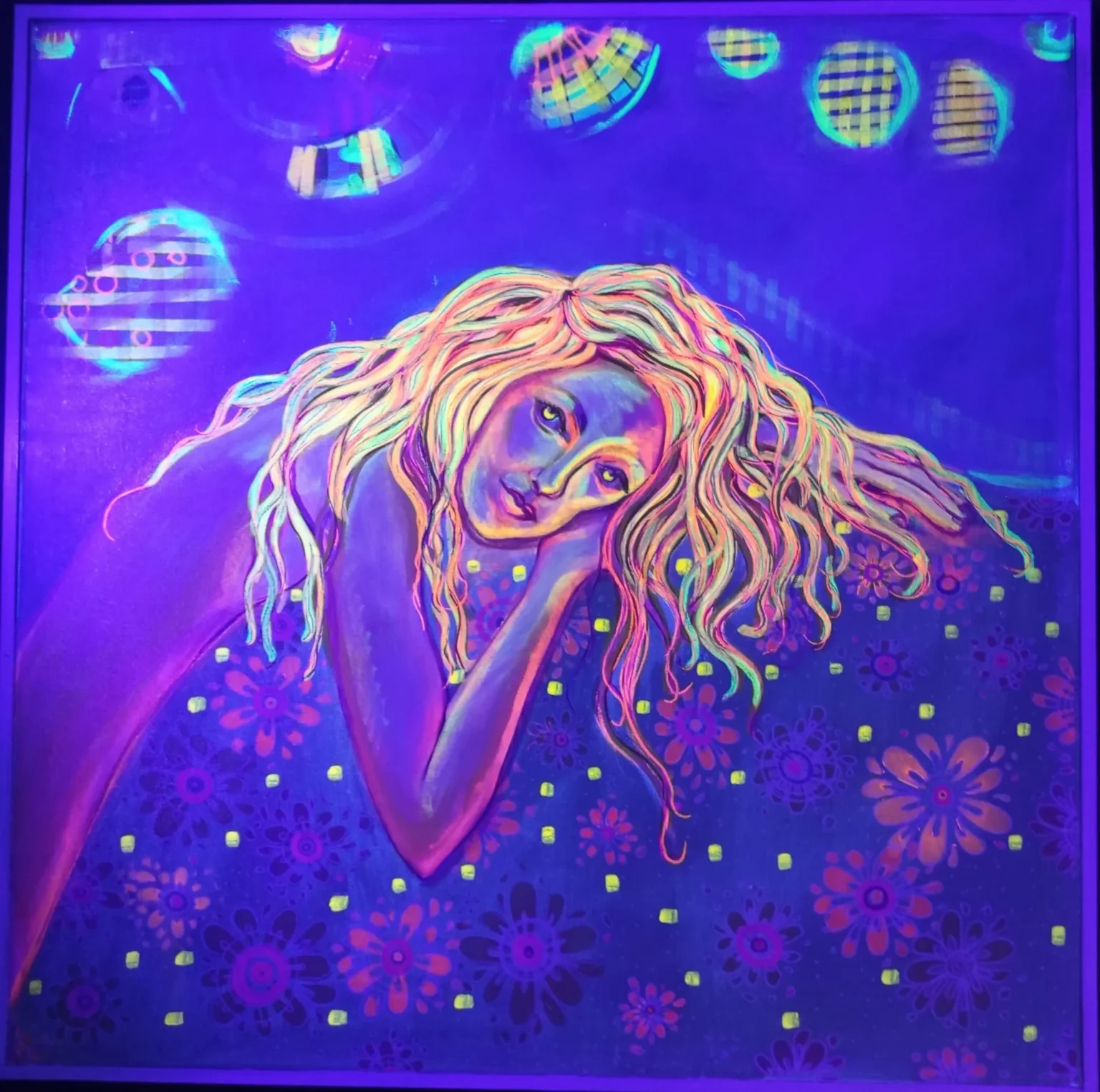
El descanso del almaA lélek pihenőjeThe Soul's Rest
Hay momentos en los que el cuerpo y el alma se agotan al mismo tiempo, no por un solo acontecimiento, sino por el peso de todo lo vivido. Los movimientos se vuelven lentos y la mirada se dirige hacia el interior. La figura no representa debilidad, sino la necesidad humana de descansar. La obra no revela si el agotamiento es físico o emocional, y precisamente por ello resulta universal. El descanso del alma rinde homenaje al instante en que dejamos por un momento el peso del mundo para recuperar la fuerza y seguir adelante.
Vannak pillanatok, amikor a test és a lélek egyszerre fárad el. Nem egyetlen eseménytől, hanem mindattól, amit hosszú ideje magunkban hordozunk. A mozdulatok lelassulnak, a tekintet befelé fordul. A képen látható alak nem a gyengeséget, hanem a pihenés emberi szükségletét jeleníti meg. Nem tudjuk, testi vagy lelki kimerülésről van-e szó, ezért válik mindenki számára ismerőssé. A lélek pihenője annak a csendes pillanatnak állít emléket, amikor letesszük a világ súlyát, hogy új erővel indulhassunk tovább.
There are moments when body and soul become tired together—not from one event, but from everything carried for too long. Movements slow, the gaze turns inward, and the world grows quiet. The figure does not portray weakness but a deeply human need for rest. The work never tells us whether the exhaustion is physical or emotional, making it universal. The Soul's Rest honors the moment when we lay down the weight of the world, not in surrender, but to regain the strength to continue.
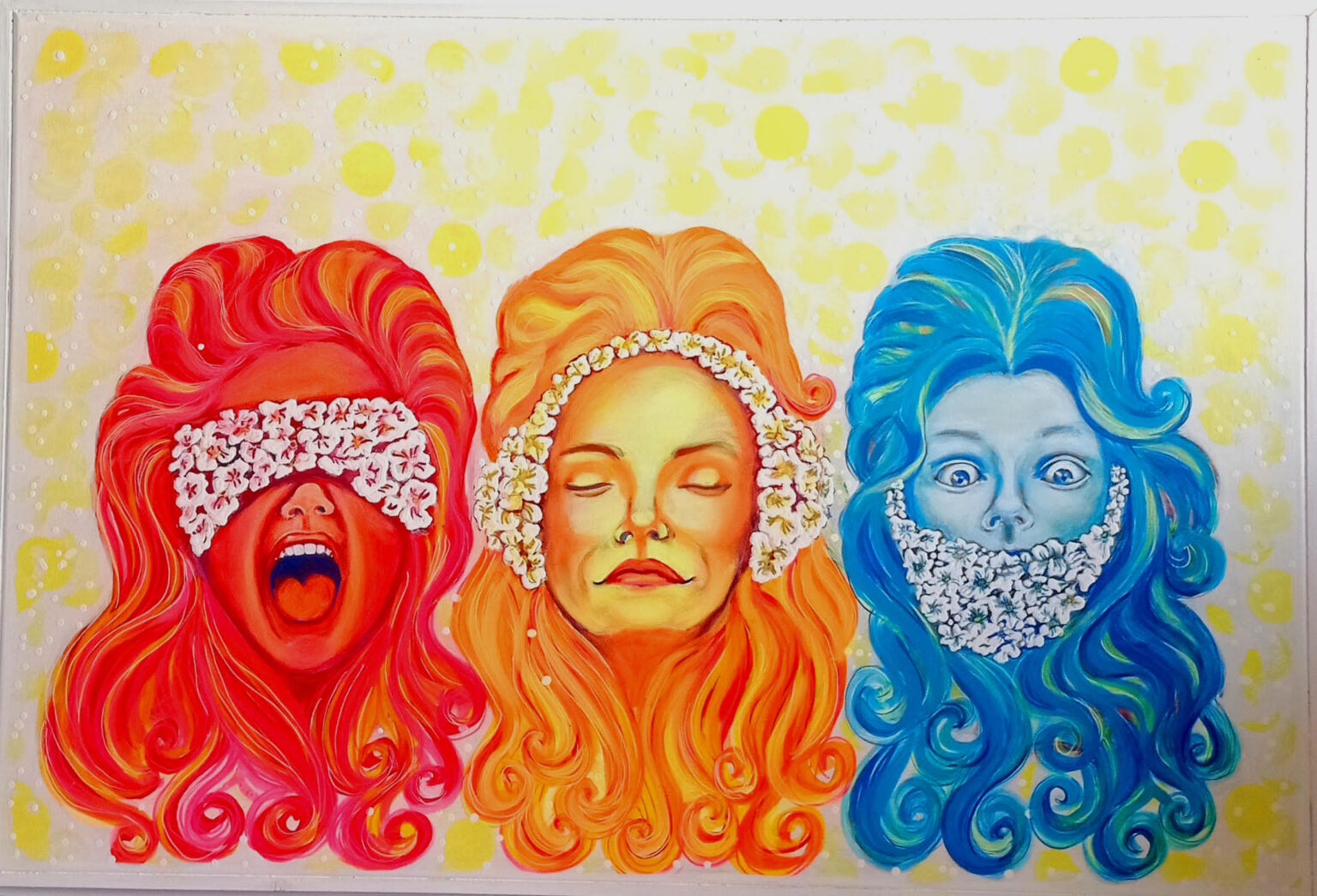
En voz alta-Absorta-SilenciadaHangosan – Elmélyülve – ElnémítvaLoudly – Deeply – Muted
Tres rostros femeninos, tres maneras distintas de relacionarse con un mismo mundo. Una reacciona en voz alta. Otra se vuelve hacia su mundo interior y encuentra allí serenidad. La tercera desearía hablar, pero algo o alguien la silencia. La obra no juzga ni ofrece respuestas cerradas. Invita al espectador a reflexionar sobre las distintas formas en que nos relacionamos con el mundo y sobre cómo la comunicación, el silencio y la escucha interior modelan nuestra personalidad.
Három női arc, három különböző viselkedésmód, három eltérő válasz ugyanarra a világra. Az egyik hangosan reagál. A másik tudatosan befelé fordul, és a saját belső világában talál nyugalmat. A harmadik megszólalna, de valami vagy valaki elnémítja. A festmény nem ítélkezik, és nem kínál kész válaszokat. Inkább párbeszédet kezdeményez arról, hogyan viszonyulunk a körülöttünk lévő világhoz, és hogyan formálja személyiségünket a kommunikáció, a csend és a belső figyelem.
Three female faces, three different ways of responding to the same world. One reacts loudly. Another turns inward and finds peace in her inner world. The third would speak, yet something—or someone—silences her. The painting does not judge or provide definitive answers. Instead, it invites the viewer to reflect on the many ways we relate to the world, and on how communication, silence, and the inner voice shape who we are.
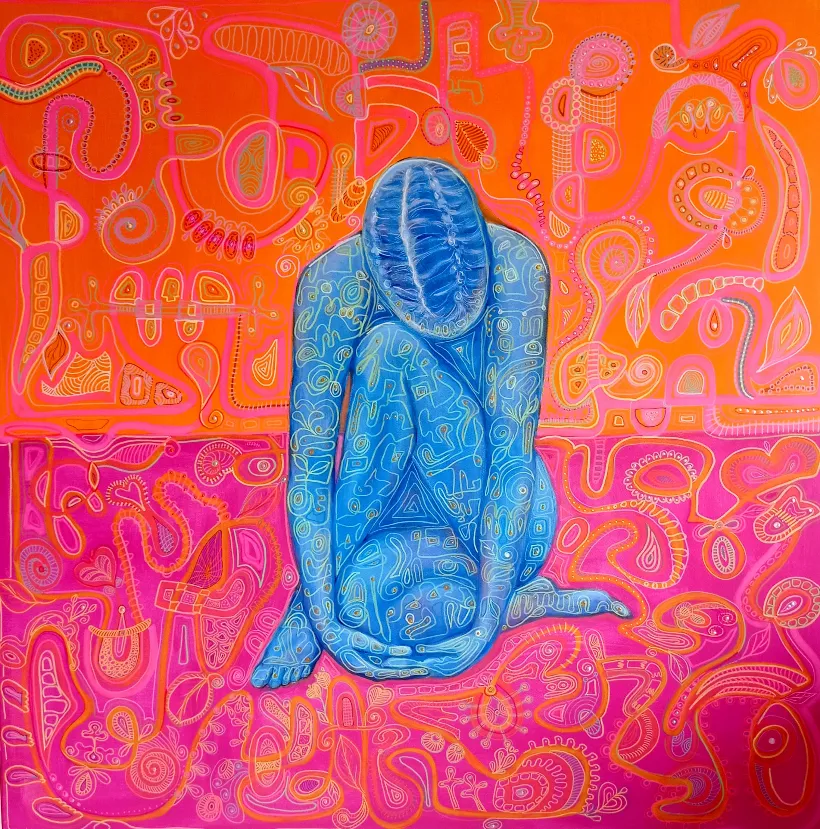
Entre ondas y circuitosHullámok és áramkörök közöttBetween waves and circuits
Normalmente consideramos el cuerpo humano como un ser biológico. Sin embargo, esta obra ofrece otro punto de vista: evoca un mundo en el que el ser humano ya no se compone únicamente de células y órganos, sino que existe en una red de energías, información y conexiones invisibles. El sistema de líneas infinitas que recorre el cuerpo femenino, y que recuerda a un circuito impreso, no es una ilustración técnica, sino un símbolo. Las influencias, los recuerdos, las decisiones y los impulsos externos que nos afectan a lo largo de la vida conforman una red invisible que moldea continuamente nuestra personalidad. Los nodos, que recuerdan a puntos de soldadura, son símbolos de estos encuentros y conexiones. El rostro de la mujer permanece oculto. No vemos la historia de una persona concreta, sino una condición humana universal. El espectador puede proyectar sus propios sentimientos y experiencias en esta figura silenciosa e introspectiva. Una característica especial de la imagen es que, bajo la luz ultravioleta, el sistema de líneas que recorre el cuerpo cobra vida, mientras que el fondo casi desaparece. La estructura que resplandece bajo la luz ultravioleta es una metáfora de que gran parte de nuestro funcionamiento real es invisible: nos rodean fuerzas, ondas, información y relaciones que moldean constantemente nuestras vidas. «Entre ondas y circuitos» es la imagen de ese espacio limítrofe donde se encuentran la existencia humana orgánica y el mundo tecnológico. La cuestión no es si somos humanos o máquinas, sino cómo podemos conservar nuestra esencia humana en una época cada vez más entretejida por redes invisibles y conexiones constantes.
Az emberi testet többnyire biológiai lényként szemléljük. Ez a mű azonban egy másik nézőpontot kínál: azt a világot idézi meg, ahol az ember már nemcsak sejtekből és szervekből áll, hanem láthatatlan energiák, információk és kapcsolódások hálózatában létezik. A női testet bejáró, nyomtatott áramkörre emlékeztető végtelen vonalrendszer nem technikai illusztráció, hanem szimbólum. Az élet során bennünket érő hatások, emlékek, döntések és külső impulzusok olyan láthatatlan hálózatot alkotnak, amely folyamatosan formálja személyiségünket. A forrasztási pontokra emlékeztető csomópontok ezeknek a találkozásoknak és kapcsolódásoknak a jelképei. A nő arca rejtve marad. Nem egy konkrét személy történetét látjuk, hanem egy egyetemes emberi állapotot. A néző saját érzéseit és tapasztalatait vetítheti bele ebbe a csendes, befelé forduló alakba. A kép különleges sajátossága, hogy ultraviola fényben a testet bejáró vonalrendszer életre kel, miközben a háttér szinte eltűnik. Az UV-fényben felragyogó szerkezet annak metaforája, hogy a valódi működésünk nagy része láthatatlan: olyan erők, hullámok, információk és kapcsolatok vesznek körül bennünket, amelyek folyamatosan alakítják életünket. Entre ondas y circuitos annak a határterületnek a képe, ahol az organikus emberi lét és a technológiai világ találkozik. A kérdés nem az, hogy ember vagy gép vagyunk-e, hanem az, hogyan őrizhetjük meg emberi lényegünket egy olyan korban, amelyet egyre inkább láthatatlan hálózatok és folyamatos kapcsolódások szőnek át.
We generally view the human body as a biological entity. This work, however, offers a different perspective: it evokes a world in which human beings are no longer merely composed of cells and organs, but exist within a network of invisible energies, information and connections. The endless system of lines running through the female body, reminiscent of a printed circuit board, is not a technical illustration but a symbol. The influences, memories, decisions and external impulses that affect us throughout our lives form an invisible network that constantly shapes our personalities. The junctions, reminiscent of solder joints, are symbols of these encounters and connections. The woman’s face remains concealed. We are not seeing the story of a specific person, but a universal human condition. The viewer can project their own feelings and experiences onto this quiet, introspective figure. A unique feature of the image is that, under ultraviolet light, the network of lines criss-crossing the body comes to life, whilst the background almost disappears. The structure that glows under UV light is a metaphor for the fact that much of our true functioning is invisible: we are surrounded by forces, waves, information and connections that are constantly shaping our lives. *Entre ondas y circuitos* is an image of the borderland where organic human existence and the technological world meet. The question is not whether we are human or machine, but how we can preserve our human essence in an age increasingly interwoven by invisible networks and constant connections.
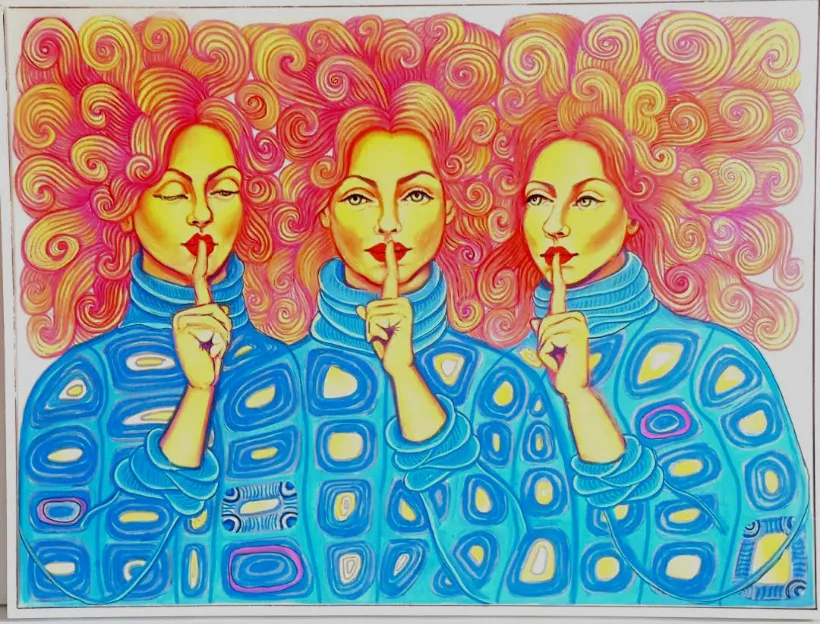
Guarda silencioMaradj csendbenKeep silent
Tres mujeres repiten el mismo gesto: levantan un dedo frente a sus labios. A primera vista parece un gesto sencillo, pero admite muchas interpretaciones. ¿Se dirige al espectador, entre ellas mismas o hacia su propio mundo interior? Guarda silencio no es solo una orden de callar. También sugiere que existen pensamientos, sentimientos y secretos que no necesitan convertirse en palabras. A veces el silencio protege mejor aquello que tiene verdadero valor. El parecido entre las tres figuras habla de los vínculos que compartimos, mientras que la inmensa cabellera roja simboliza la energía interior, la sensibilidad y la fuerza de lo no dicho. La interpretación queda abierta a cada espectador.
A három nő ugyanazt a mozdulatot ismétli: ujjukat az ajkuk elé emelik. A gesztus első pillantásra egyszerűnek tűnik, mégis számtalan jelentést hordoz. Vajon a nézőhöz szólnak, egymást figyelmeztetik, vagy saját belső világukat őrzik? A Guarda silencio itt nem pusztán azt jelenti, hogy „maradj csendben”. Arra is utal, hogy vannak gondolatok, érzések és titkok, amelyeket nem kell kimondani. Néha a hallgatás őrzi meg leginkább azt, ami igazán fontos. A három alak hasonlósága a közösségre utal, miközben mindegyikük önálló személyiség. A hatalmas vörös haj a belső energia, az érzékenység és a kimondatlan szavak erejének jelképe. A kép nem ad végleges választ: minden néző maga dönti el, hogy kérésként, figyelmeztetésként, bizalomként vagy titoktartásként értelmezi ezt a mozdulatot.
Three women repeat the same gesture, raising a finger to their lips. At first it seems simple, yet it can be understood in many different ways. Is it addressed to the viewer, to one another, or to themselves? In this painting, Guarda silencio is not merely a command to be quiet. It also suggests that some thoughts, emotions and secrets do not need to become words. Sometimes silence protects what matters most. The similarity of the three figures evokes human connection, while the immense red hair symbolizes inner energy, sensitivity and the strength of the unspoken. The final meaning belongs to the viewer.
La fuerza de la visiónA látás erejeThe Power of Vision
La fuerza de la visión El cabello rojo no es un simple rasgo exterior, sino el símbolo visible de una energía interior. Representa la individualidad y la capacidad de percibir el mundo de una manera diferente. La figura femenina permanece sentada entre la tierra y el cielo. Su cuerpo transmite calma, mientras su mirada se dirige hacia la distancia. No anuncia el futuro; expresa una sensibilidad capaz de percibir posibilidades que otros aún no ven. La inmensa cabellera roja se convierte en una imagen de la fuerza interior, la sensibilidad y la libertad de pensamiento. Esta obra habla de quienes se atreven a ser ellos mismos y a mirar el mundo con una visión más profunda.
A látás ereje A vörös haj ebben a műben nem egyszerű külső jegy, hanem a belső energia látható szimbóluma. Nem a különbséget, hanem az egyéniséget jelképezi: azt a képességet, hogy valaki a megszokottól eltérően érzékeli és értelmezi a világot. A nyugodtan ülő nő alakja a föld és az ég között helyezkedik el. Testtartása csendes és kiegyensúlyozott, tekintete a távolba emelkedik. Nem a jövőt jósolja, hanem nyitott arra, amit mások talán még nem vesznek észre. A hatalmas vörös hajkorona a belső erő, az érzékenység és a szabad gondolkodás képi megfogalmazása. Ez a festmény azoknak állít emléket, akik mernek önmaguk maradni, és akik a világot nemcsak nézik, hanem mélyebben is látják.
The Power of Vision The red hair is not merely a physical feature but the visible expression of inner energy. It symbolizes individuality and the ability to perceive the world beyond familiar patterns. The seated woman rests between earth and sky. Her posture is calm, yet her gaze rises into the distance. She does not predict the future; she embodies the sensitivity to perceive possibilities that others may not yet recognize. Her immense red hair becomes a metaphor for inner strength, awareness, and freedom of thought. This painting is dedicated to those who remain true to themselves and who see the world with deeper vision.
No hace falta nacer reinaNem kell királynőnek születniYou Don't Have to Be Born a Queen
La obra no habla del rango ni de los privilegios, sino de la dignidad interior. El conjunto de cojines no representa un trono real, sino un espacio simbólico construido desde la autoestima y la identidad. La mujer no busca la mirada del espectador; con los ojos bajos juega suavemente con su cinturón. No lleva corona y, sin embargo, transmite una presencia de reina. La pintura recuerda que la verdadera dignidad no depende del nacimiento, de la posición social ni del reconocimiento exterior. Hay personas que llevan esa nobleza dentro de sí y esperan que el mundo las trate con el mismo respeto con el que ellas se valoran.
A festmény nem a rangról vagy a kiváltságokról szól, hanem a belső méltóságról. A párnákból épített emelvény nem valódi trón, hanem egy belső világ jelképe, ahol az önbecsülés és az önazonosság kap helyet. A nő nem a nézőt keresi, tekintete befelé fordul, miközben játékosan az övével játszik. Nem koronát visel, mégis királynői tartás sugárzik belőle. A mű arra emlékeztet, hogy a méltóság nem a születéstől, a társadalmi helyzettől vagy a külső elismeréstől függ. Vannak emberek, akik természetes eleganciával és belső tartással élik az életüket, és azt remélik, hogy a világ is ezzel a tisztelettel fordul feléjük.
This painting is not about rank or privilege, but about inner dignity. The stacked cushions are not a real throne but a symbolic place built from self-respect and identity. The woman does not seek the viewer's gaze; instead, she quietly plays with her belt while looking down. She wears no crown, yet she radiates the presence of a queen. The work reminds us that true dignity is not determined by birth, social status, or external recognition. Some people carry their nobility within and hope to be treated with the same respect with which they value themselves.
Silencio ancestralŐsi csendAncient silence
«El silencio ancestral» evoca una figura femenina atemporal, vinculada a la naturaleza y a los recuerdos más antiguos de la humanidad. Los símbolos que cubren el cuerpo y el espacio que lo rodea no representan una cultura concreta, sino un mundo interior en el que el ser humano aún vive en estrecha unión con su entorno. La inmovilidad, la postura cercana al suelo y la mirada serena constituyen el verdadero centro de la imagen. Las formas y los signos que aparecen a su alrededor no explican, sino que insinúan: evocan un silencio ancestral que trasciende las palabras y el tiempo. Esta obra no pretende representar un momento histórico ni a un pueblo concreto, sino esa condición humana universal en la que el ser humano aún vive en armonía interior con la naturaleza y consigo mismo.
Az Ősi csend egy időtlen nőalakot idéz meg, aki a természethez és az emberiség legrégebbi emlékeihez kapcsolódik. A testet és a körülötte lévő teret beborító jelek nem egy konkrét kultúrát ábrázolnak, hanem egy belső világot, ahol az ember még szoros egységben él a környezetével. A mozdulatlanság, a földközeli testtartás és a nyugodt tekintet a kép valódi középpontja. A körülötte megjelenő formák és jelek nem magyaráznak, hanem sejtetnek: egy olyan ősi csendet idéznek fel, amely túlmutat a szavakon és az időn. Ez a mű nem egy történelmi pillanatot vagy egy meghatározott népet kíván bemutatni, hanem azt az egyetemes emberi állapotot, amikor az ember még belső harmóniában él a természettel és önmagával.
‘Ancient Silence’ evokes a timeless female figure connected to nature and the oldest memories of humanity. The symbols covering her body and the space around her do not represent any specific culture, but rather an inner world where humankind still lives in close harmony with its environment. The stillness, the posture close to the ground and the serene gaze form the true centre of the image. The forms and symbols appearing around him do not explain, but rather suggest: they evoke an ancient silence that transcends words and time. This work does not seek to depict a historical moment or a specific people, but rather that universal human condition in which a person still lives in inner harmony with nature and with themselves.
Tres mujeres, tres almas, tres tiemposHárom nő, három lélek, három időThree Women, Three Souls, Three Times
Este tríptico no representa a la misma mujer en tres edades distintas, sino a tres personalidades femeninas diferentes que, juntas, dibujan el recorrido interior de la vida. La figura azul evoca el comienzo, la roja simboliza la fuerza y la pasión de la plenitud, mientras que la verde transmite la serenidad y el equilibrio que nacen de la experiencia. Los motivos inspirados en engranajes y mecanismos de relojería simbolizan el tiempo, el cambio y la transformación constante de la personalidad. Aunque las tres mujeres son distintas, juntas cuentan una misma historia: la diversidad del universo femenino, la evolución del alma y el poder transformador del tiempo. La obra invita al espectador a descubrir las historias ocultas detrás de cada mirada.
Ez a triptichon nem ugyanannak a nőnek három életkorát ábrázolja, hanem három különböző női személyiséget, amelyek együtt rajzolják ki az emberi élet belső ívét. A kék alak a kezdetet, a piros az élet erejét és szenvedélyét, a zöld pedig a tapasztalatból születő belső egyensúlyt idézi. A fogaskerék- és óraszerkezeteket idéző motívumok az idő, a változás és a személyiség folyamatos alakulásának jelképei. A három alak önálló személyiség, mégis közös történetet mesél: a női lét sokféleségéről, a lélek fejlődéséről és az idő formáló erejéről. A mű arra hívja a nézőt, hogy a tekintetek mögött rejlő történeteket fedezze fel.
This triptych does not portray the same woman at three different ages, but three distinct female personalities that together trace the inner journey of life. The blue figure represents beginnings, the red embodies vitality and passion, while the green reflects the serenity and balance born of experience. The motifs inspired by gears and clockwork symbolize time, change, and the continuous shaping of human identity. Although each woman is unique, together they tell a shared story about the diversity of womanhood, the evolution of the soul, and the transformative power of time. The work invites viewers to look beyond the faces and discover the stories hidden within their gaze.
Cautiva por la bellzaA szépség rabul ejtiCaptivated by beauty
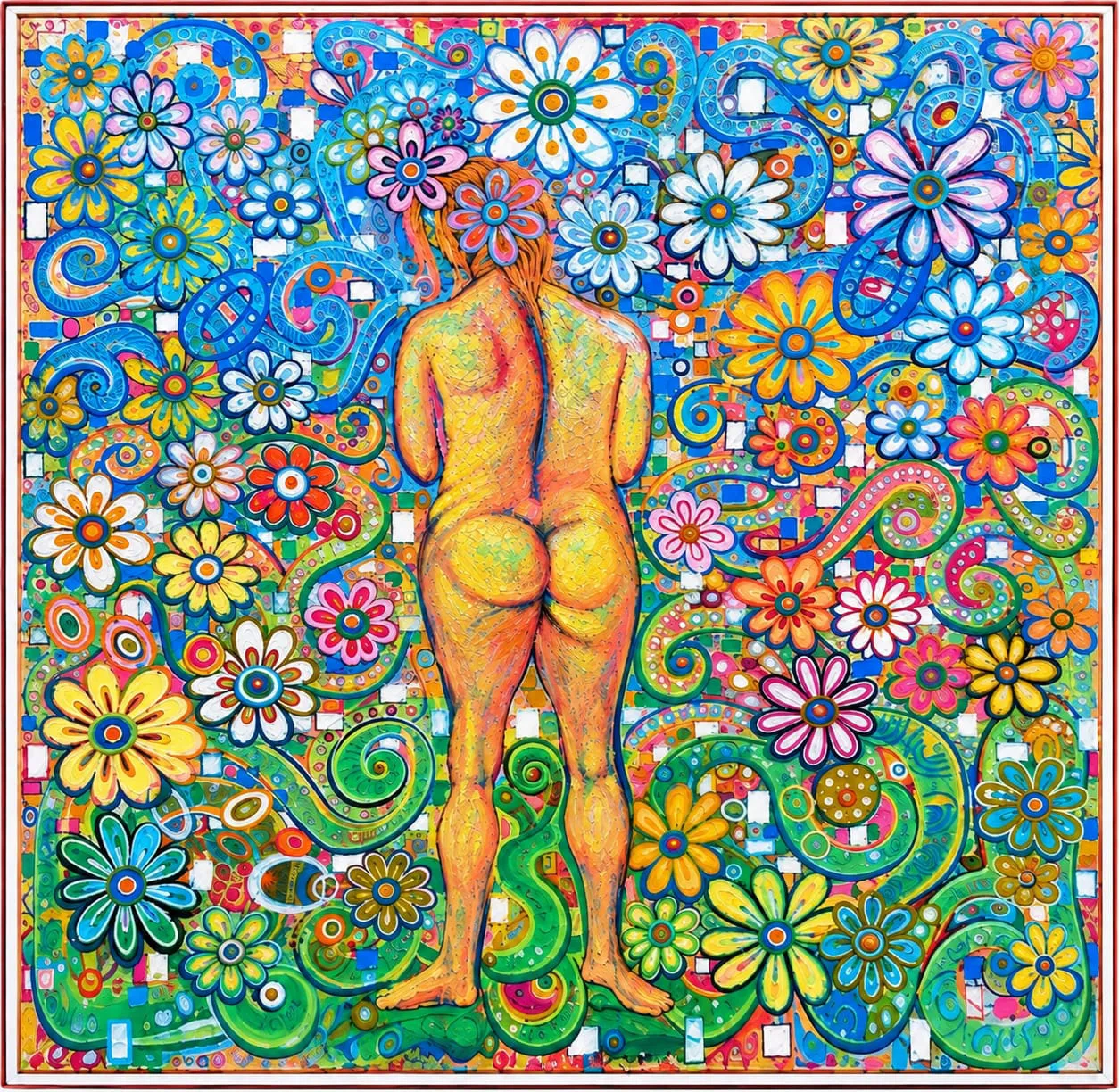
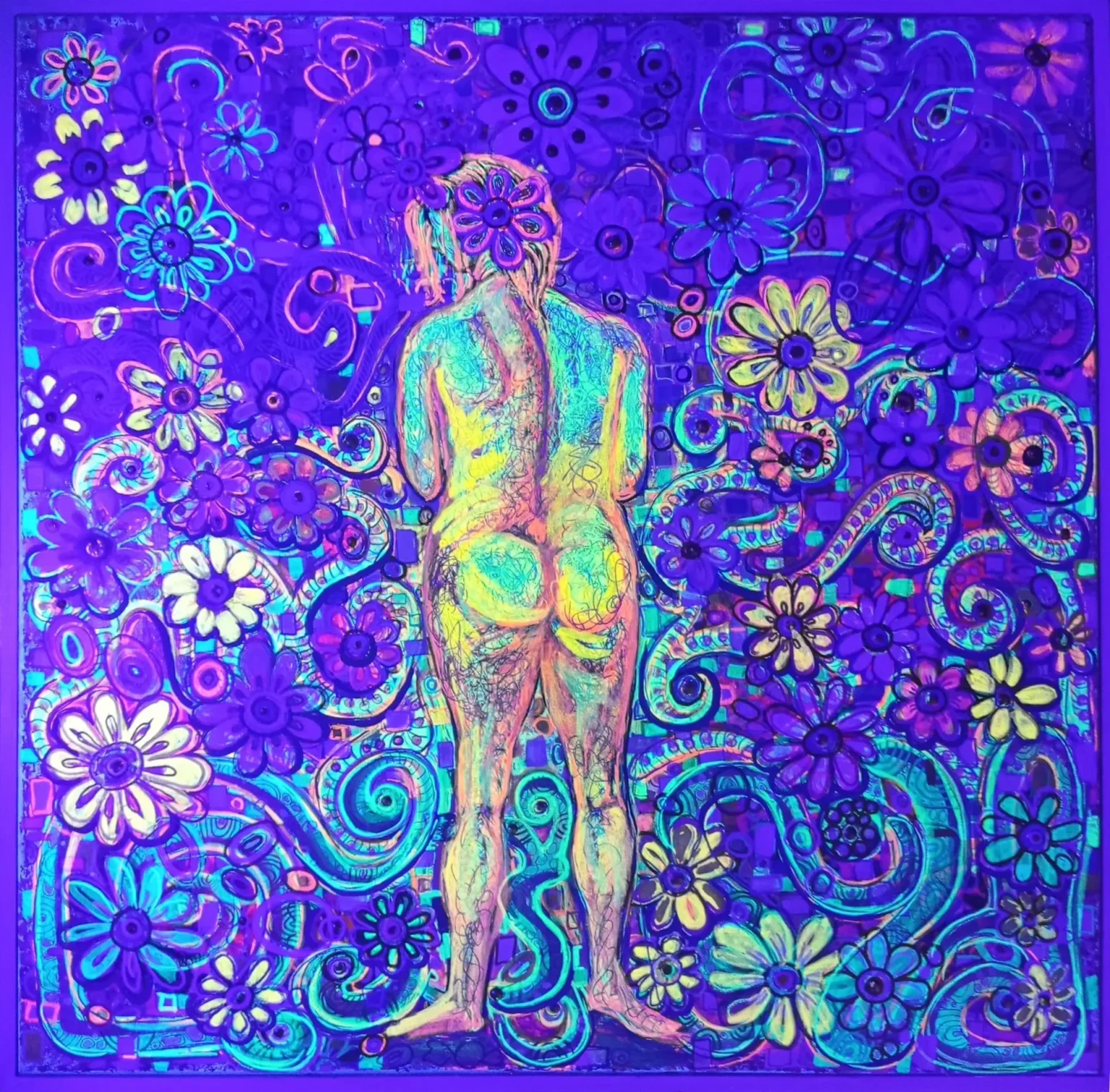
La figura femenina, de espaldas ante un muro cubierto de flores, parece quedar atrapada en la belleza que la rodea. El título juega con un doble sentido: la belleza como fascinación y, al mismo tiempo, como una forma de cautiverio.
A hátulról látható nőalak egy virágokkal borított fal előtt áll, mintha az őt körülvevő szépség fogságába kerülne. A cím kettős értelmű: a szépség egyszerre jelent vonzerőt és egyfajta fogságot.
Seen from behind, the female figure stands before a wall covered in flowers, seemingly trapped by the beauty surrounding her. The title carries a double meaning: beauty as fascination, but also as a form of captivity.
The three gracesThe three gracesThe three graces
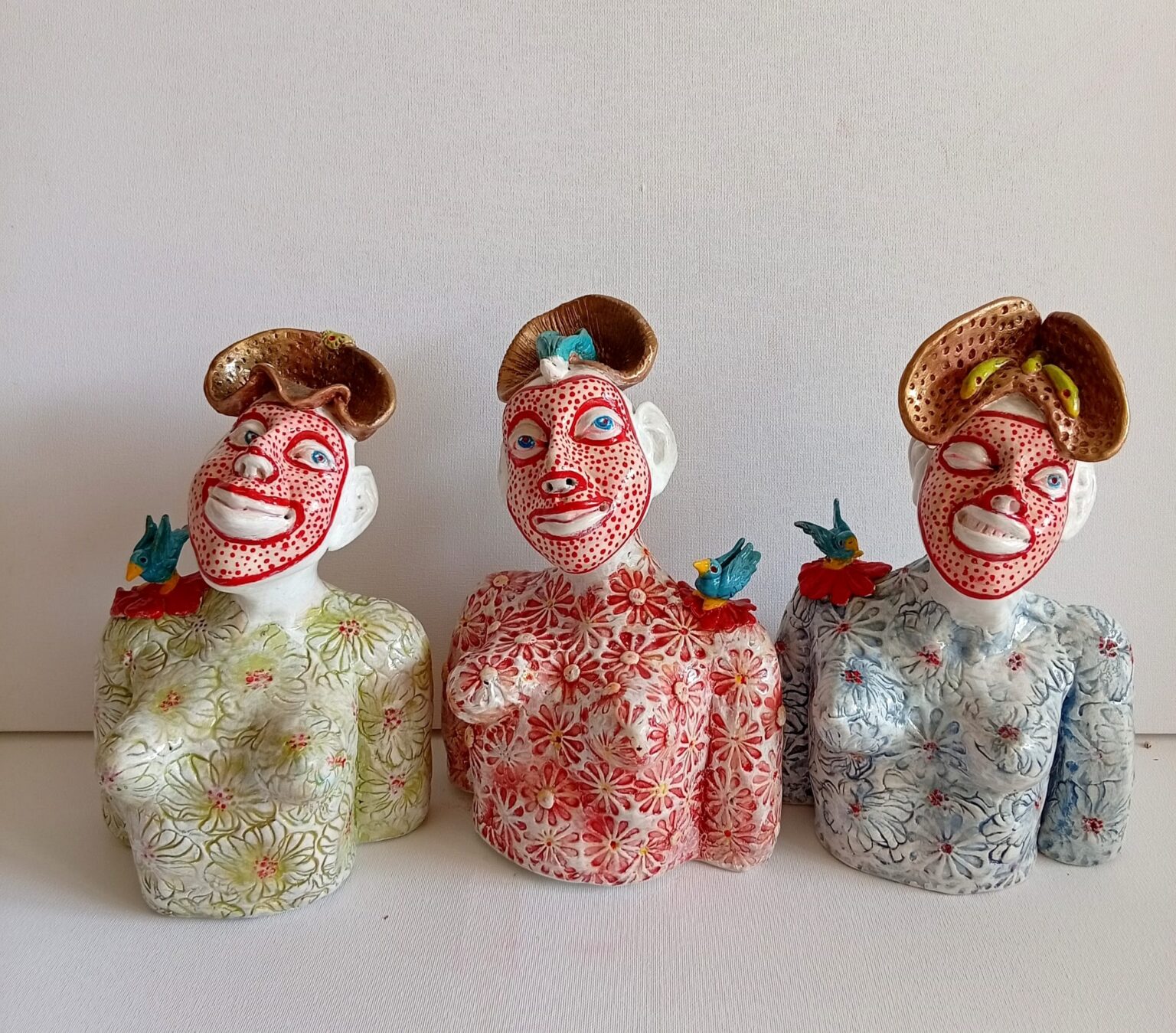
Tres mujeres, tres personalidades. El título evoca tres cualidades: esplendor, alegría y florecimiento. Cada figura expresa su propio carácter, que se deja entrever incluso tras la máscara. Juntas celebran la diversidad y la vitalidad de la mujer.
Három nő, három egyéniség. A cím három minőséget idéz: ragyogást, derűt és virágzást. Mindegyik alak saját jellemet tükröz, amely még az álarc mögül is elősejlik. Együtt a női sokféleséget és életerőt ünneplik.
Three women, three personalities. The title evokes three qualities: radiance, joy and blossoming. Each figure expresses her own character, glimpsed even behind the mask. Together, they celebrate women’s diversity and vitality.
La prisión del almaA lélek kalodájaThe Soul’s Prison
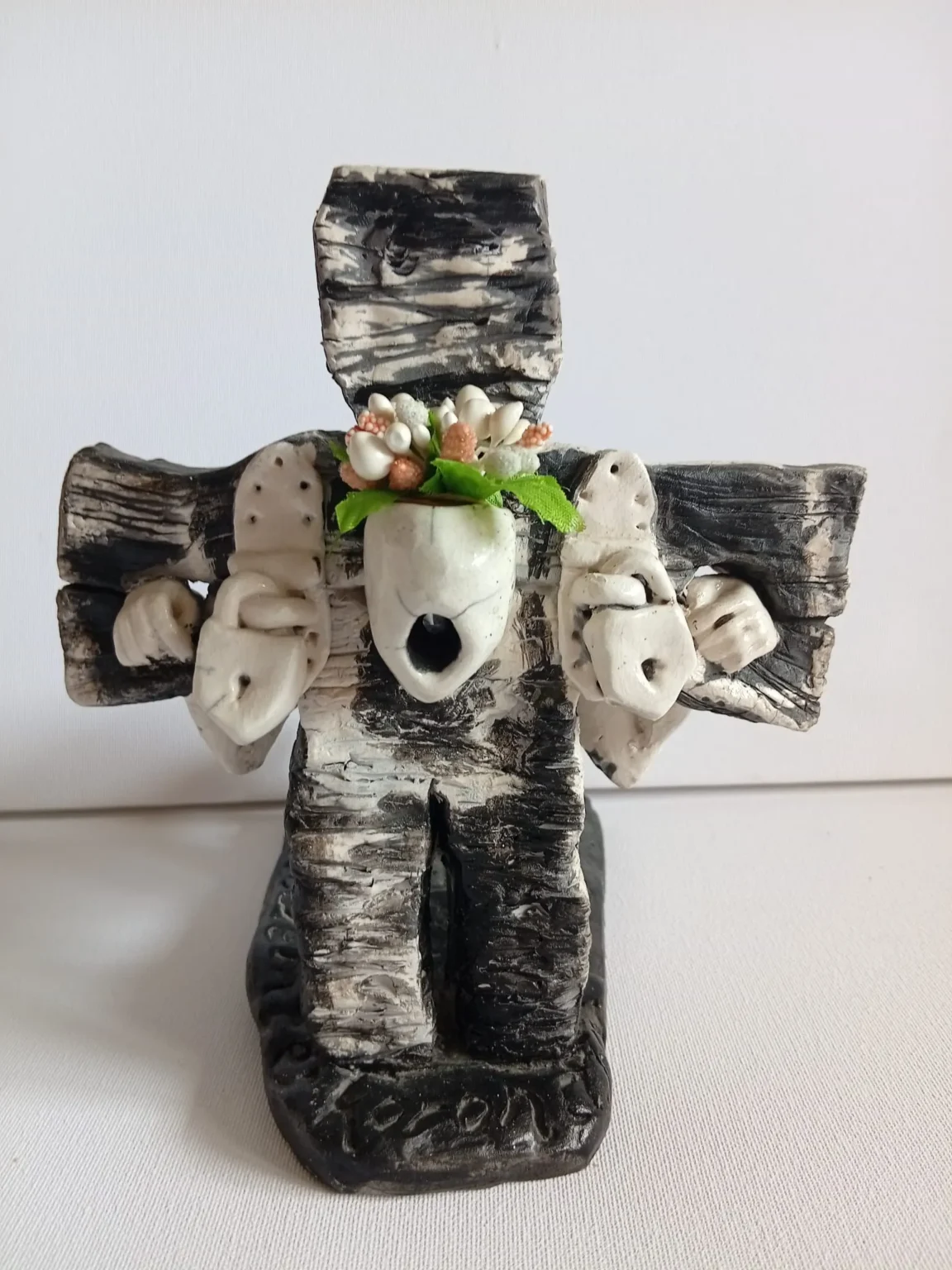
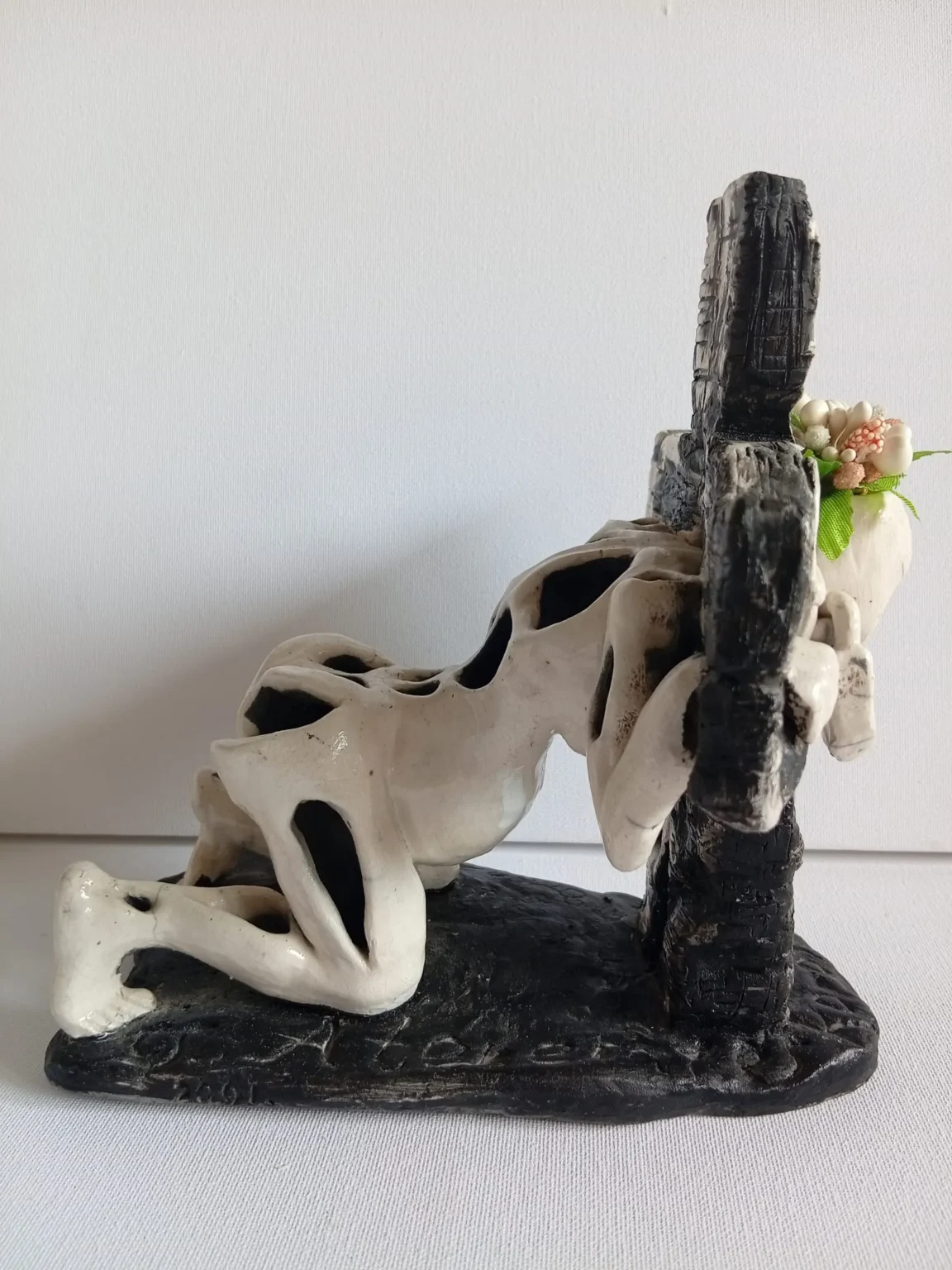
Esta obra de la serie Cuerpo y alma habla de las mujeres privadas de libertad para decidir sobre su vida y su maternidad, obligadas a gestar y dar a luz por imposiciones religiosas, sociales o personales. El cuerpo calado permite ver el alma que sufre en su interior. El negro la hace visible. La corona de flores representa la dignidad de la mujer sometida.
A Test és lélek sorozat alkotása azokról a nőkről szól, akik nem dönthetnek szabadon saját életükről és anyaságukról: vallási, társadalmi vagy személyes kényszer hatására hordják ki és szülik meg gyermeküket. Az áttört testen keresztül láthatóvá válik a belül szenvedő lélek, amelyet a fekete szín jelenít meg. A virágkorona az alávetett nő méltóságát jelképezi.
Part of the Body and Soul series, this sculpture speaks of women denied the freedom to determine their lives and motherhood, compelled to carry and give birth to children by religious, social or personal demands. Openings in the body reveal the suffering soul within. Black makes the soul visible. The flower crown represents the dignity of the woman subjected to this oppression.
El libro de la naturalezaA természet könyveThe Book of Nature
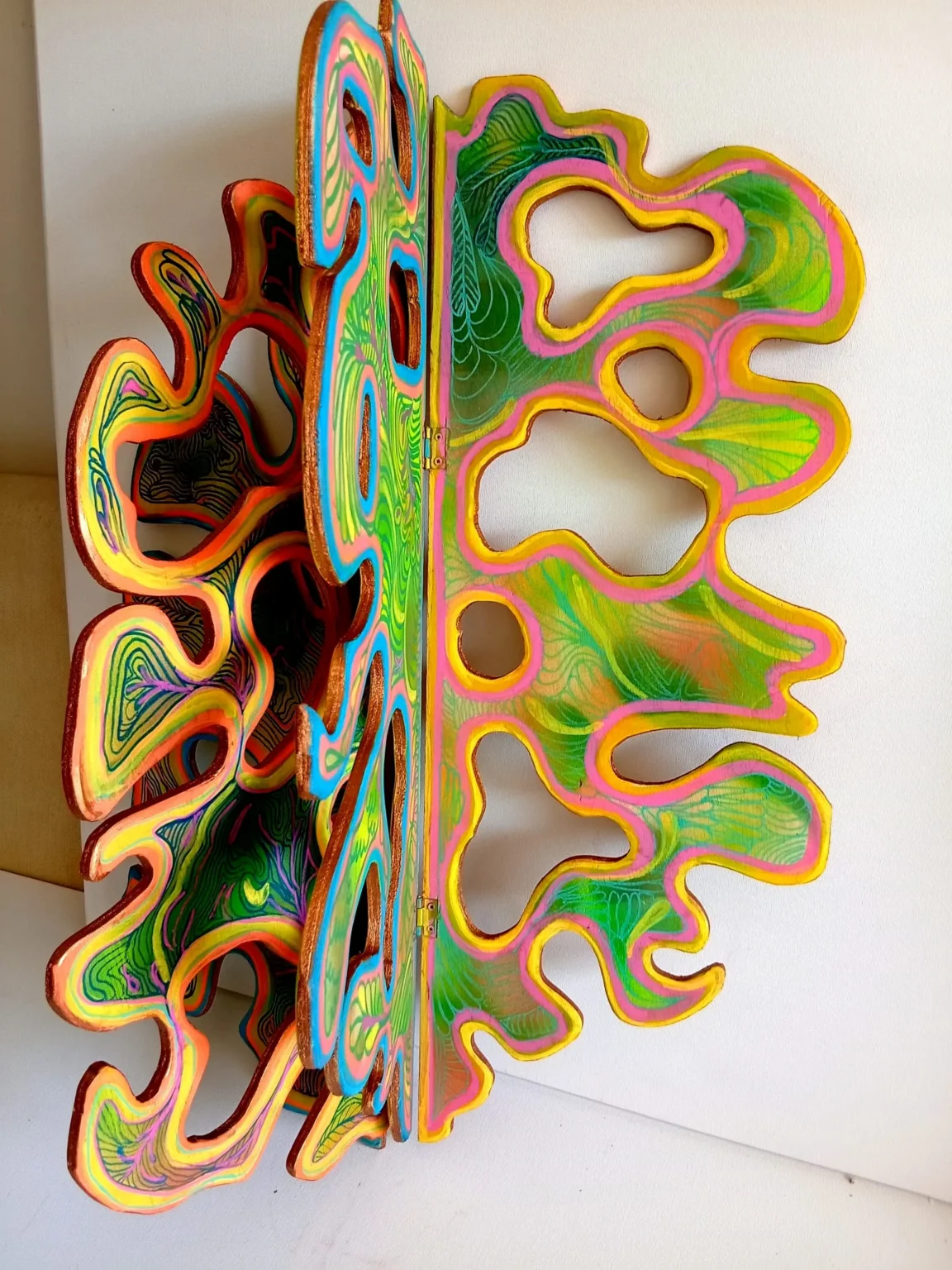
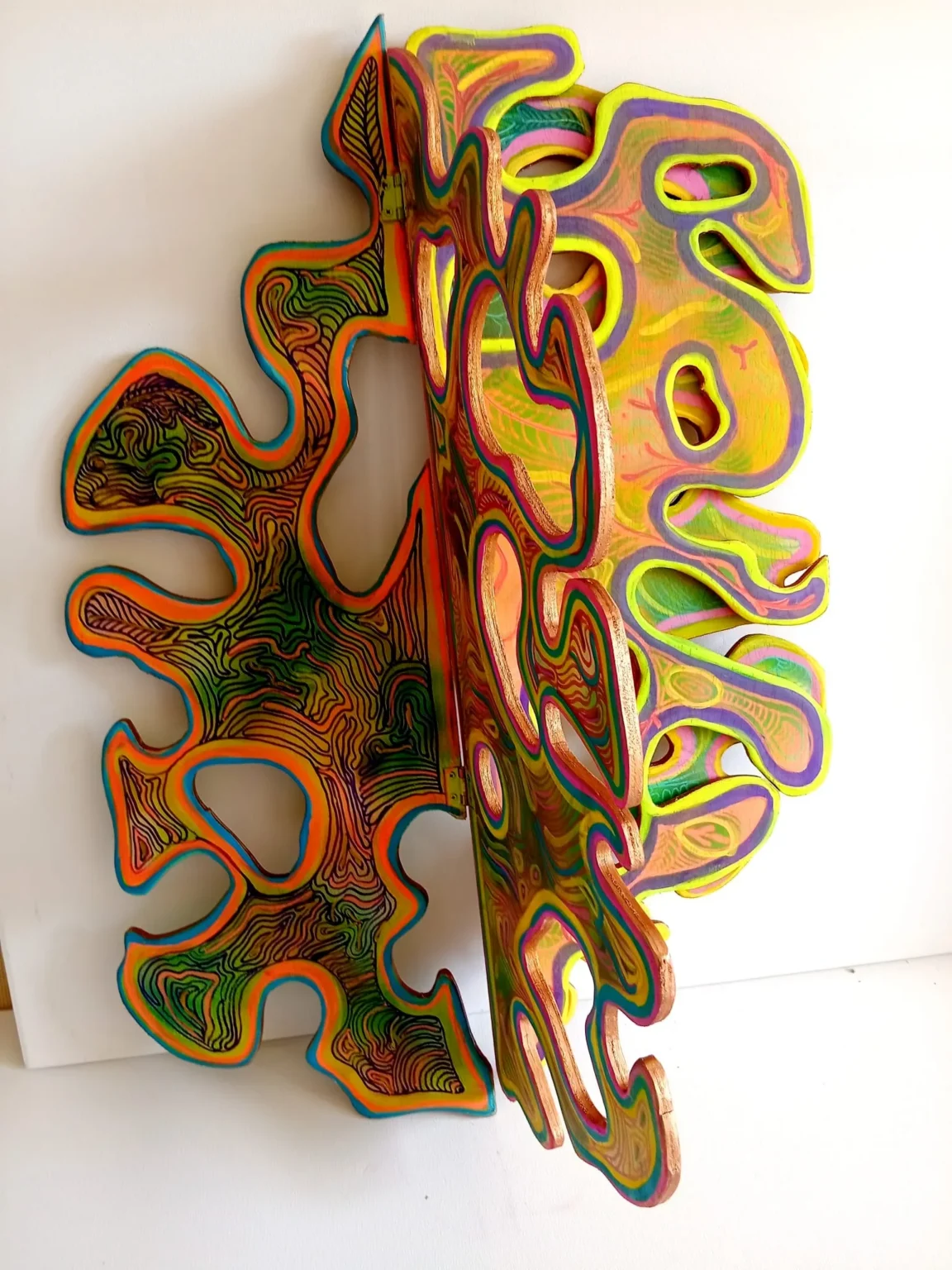
Un libro sin palabras que cuenta la historia de la naturaleza a través de formas orgánicas y colores vivos. Cada página revela un fragmento de esa vida en continua transformación.
Szavak nélküli könyv, amely organikus formákkal és élénk színekkel meséli el a természet történetét. Minden lap a folytonosan változó élet egy-egy részletét tárja fel.
A book without words that tells the story of nature through organic forms and vivid colours. Each page reveals a fragment of that ever-changing life.
Rompiendo moldesFormabontóBreaking the Mould
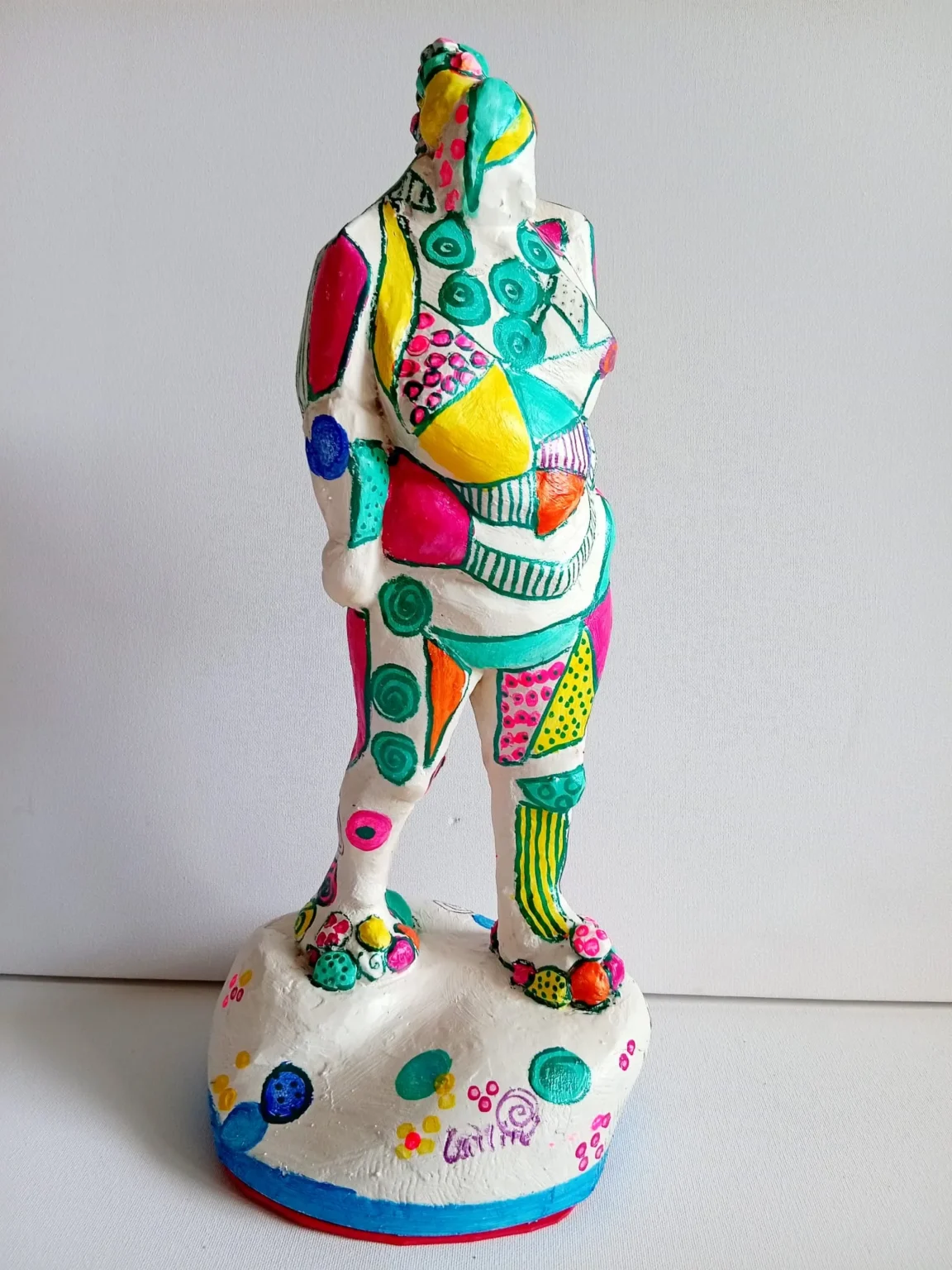
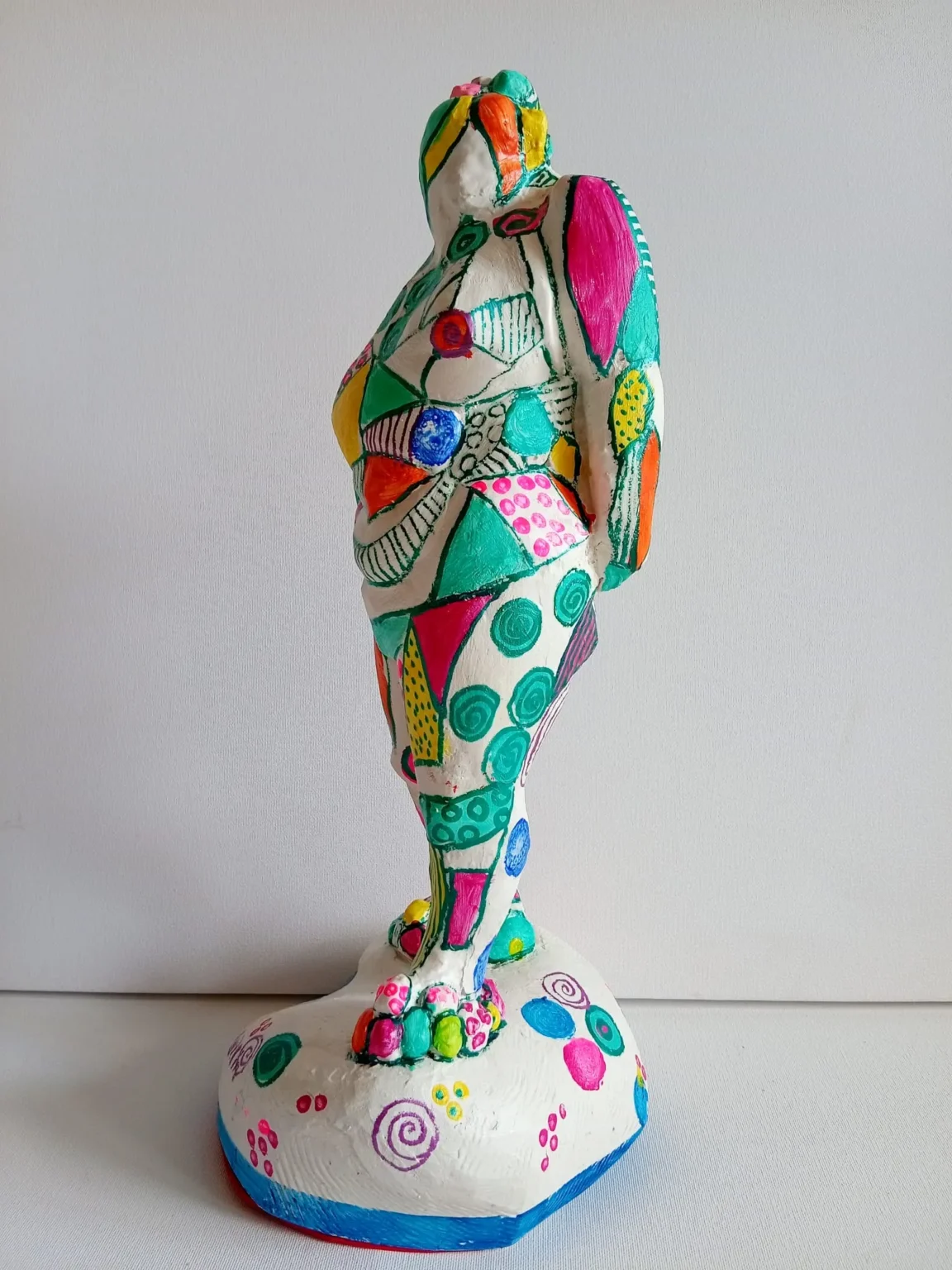
Esta figura femenina forma parte de una serie creada para la exposición, en la que cada mujer nace de una idea distinta y adquiere una forma propia. En esta obra, los volúmenes y los colores vivos exploran con libertad y humor nuevas maneras de representar el cuerpo femenino.
Ez a nőalak a kiállításra készült sorozat része, amelyben minden női figura más gondolatból születik, és sajátos formát ölt. Ebben az alkotásban a plasztikus formák és az élénk színek szabadon, humorral keresik a női test ábrázolásának új lehetőségeit.
This female figure belongs to a series created for the exhibition, in which each woman takes shape from a different idea. Here, sculptural forms and vivid colours explore new ways of representing the female body with freedom and humour.
La Madre Tierra floreceAnyaföld virágba borulMother Earth in Bloom
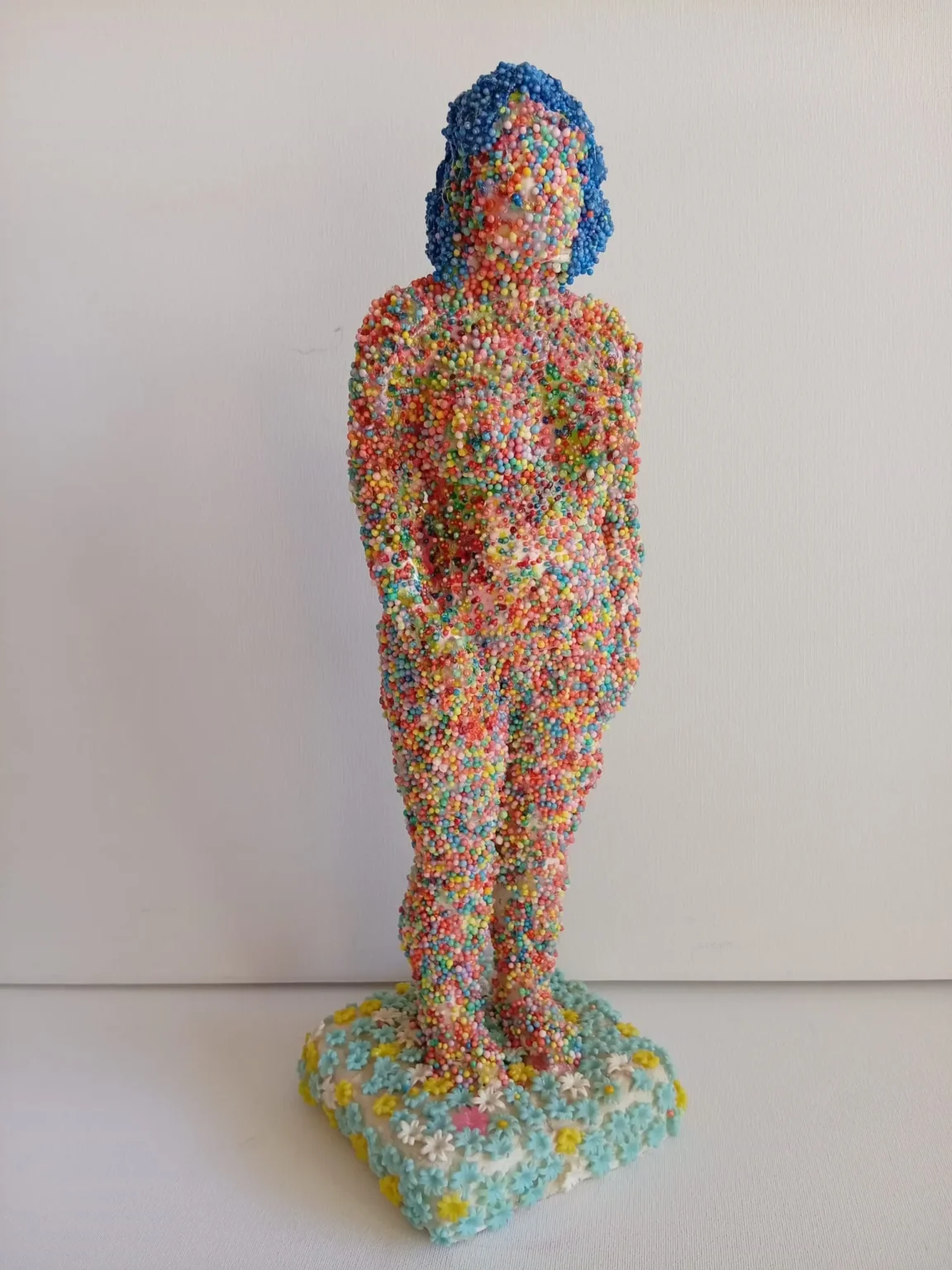
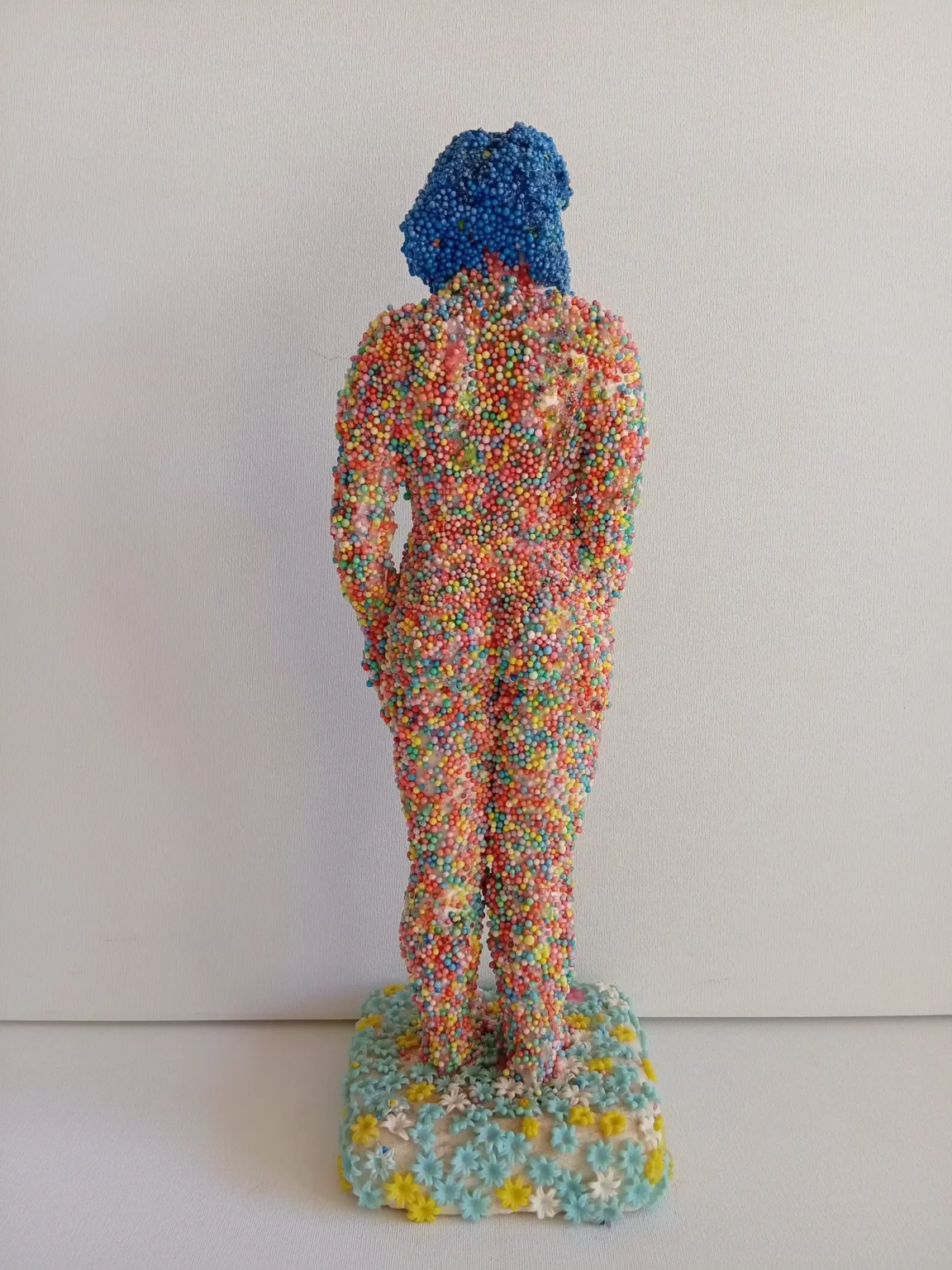
En esta pieza de la serie, la Madre Tierra toma la forma de una mujer que da vida. Los colores vivos de los adornos inspiraron a la artista. Las pequeñas flores de la base y los puntos de colores que cubren el cuerpo sugieren una floración que brota de la tierra y recorre toda la figura.
A sorozat e darabjában az Anyaföld életet adó nőalakként jelenik meg. Az alkotót a díszítőelemek élénk színei ihlették. A talapzat apró virágai és a testet borító színes pöttyök azt a benyomást keltik, mintha a virágzás a földből indulna, és végigfutna a nőalakon.
In this piece from the series, Mother Earth takes the form of a woman who gives life. The artist drew inspiration from the vivid colours of the decorations. The small flowers on the base and the colourful dots covering the body suggest a bloom that begins in the earth and spreads across the figure.
Milagro múltipleTöbbszörös csodaMultiple Miracle
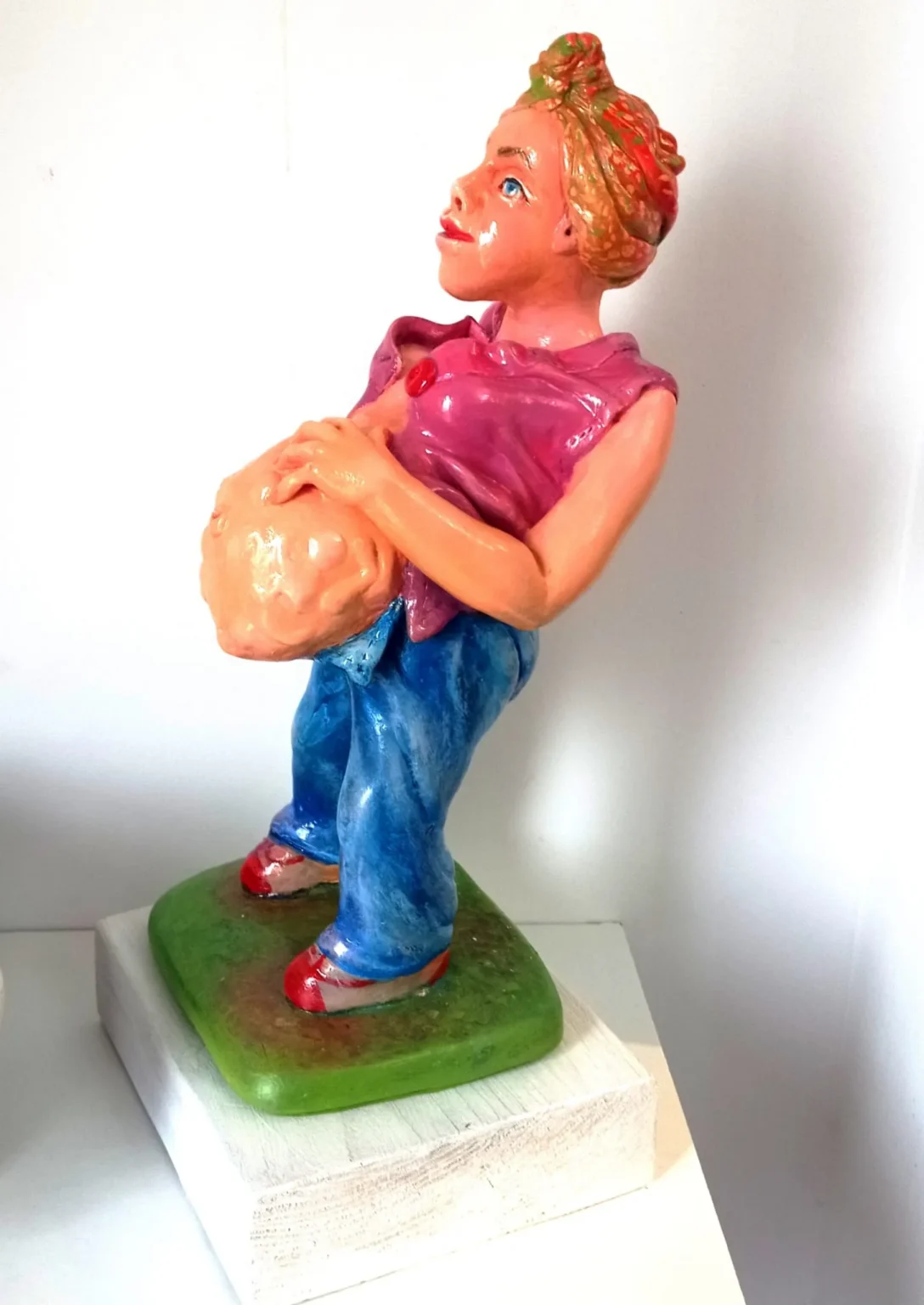
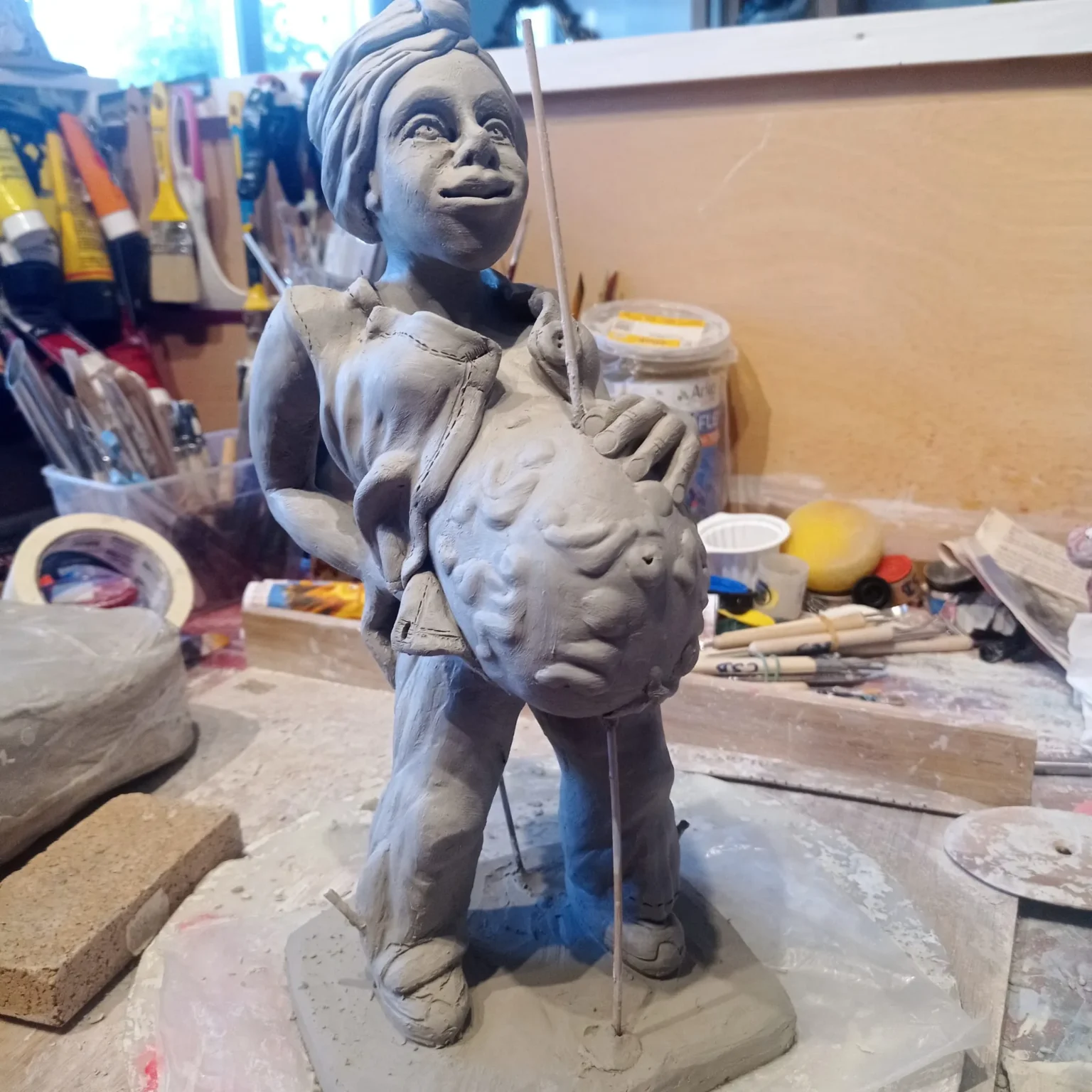
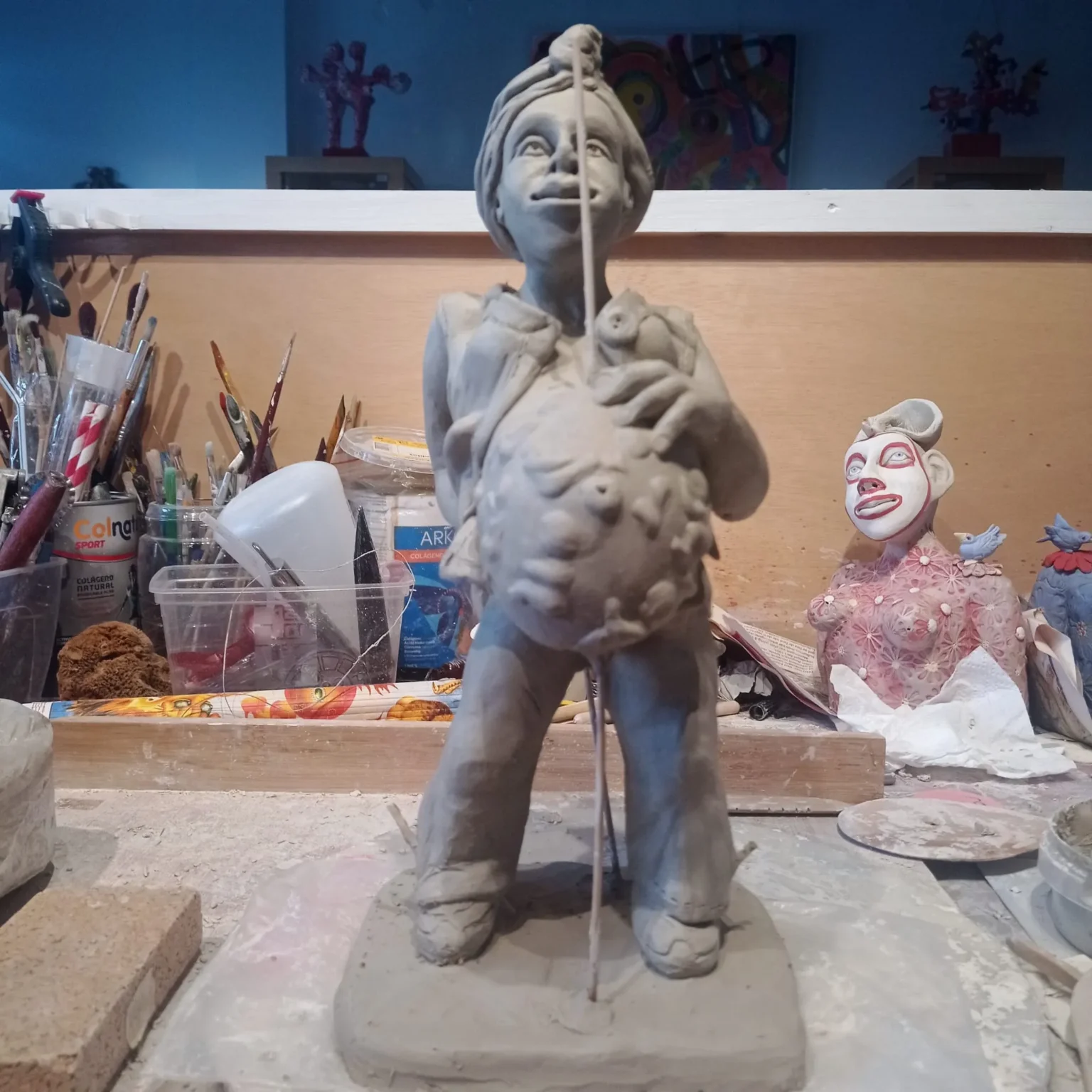
Un homenaje a las mujeres que llevan en su vientre varias vidas a la vez. La ropa que ya no cierra sobre el enorme vientre aporta humor a una obra que reconoce el esfuerzo, la paciencia y la fortaleza de estas madres.
Tisztelgés a nők előtt, akik egyszerre több életet hordoznak magukban. A hatalmas hason már nem záródó ruhák humorral jelenítik meg a várandósság terhét, elismerve ezeknek az anyáknak a kitartását, türelmét és erejét.
A tribute to women carrying several lives at once. Clothes that no longer fasten over the enormous belly bring humour to a work honouring these mothers’ endurance, patience and strength.
TierraAnyaföldEarth
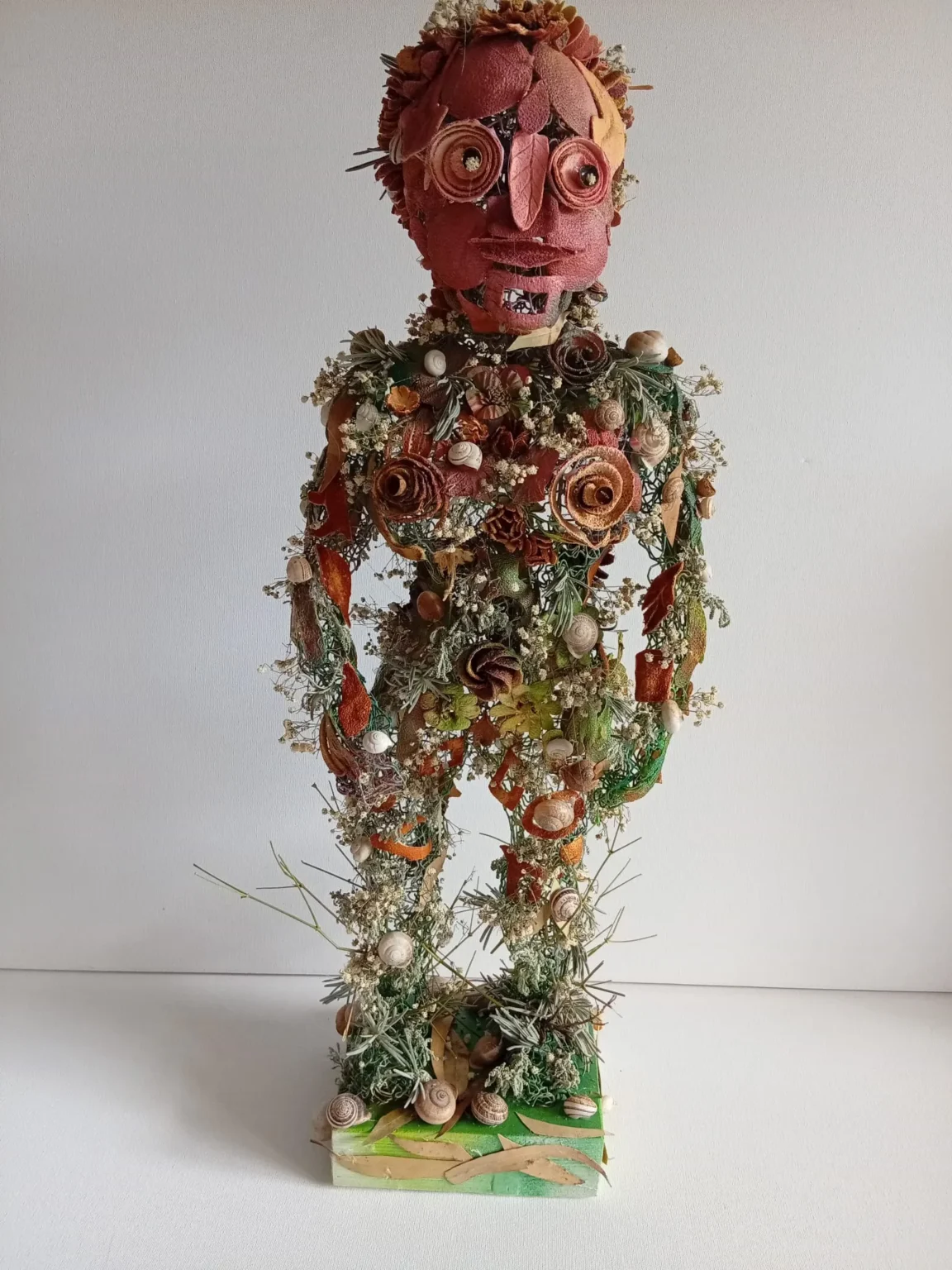
Esta figura femenina simboliza la Madre Tierra, que sostiene la vida y nos proporciona alimento y recursos. Su estructura abierta y parcialmente transparente integra materiales naturales reutilizados. Las cáscaras de naranja, secadas en distintas formas, dan forma a gran parte de la cabeza y el cabello.
A nőalak az életet hordozó Anyaföldet jelképezi, amely táplál bennünket, és megadja az életünkhöz szükséges javakat. Áttört, részben átlátszó szerkezetében újrahasznosított természetes anyagok kapcsolódnak össze. Fejének és hajának jelentős részét különböző formákra szárított narancshéj alkotja.
This female figure symbolises Mother Earth, which sustains life and provides us with nourishment and resources. Its open, partially transparent structure incorporates reused natural materials. Orange peel, dried into different shapes, forms much of the head and hair.
La promesa del díaA nap ígéreteThe Promise of the Day
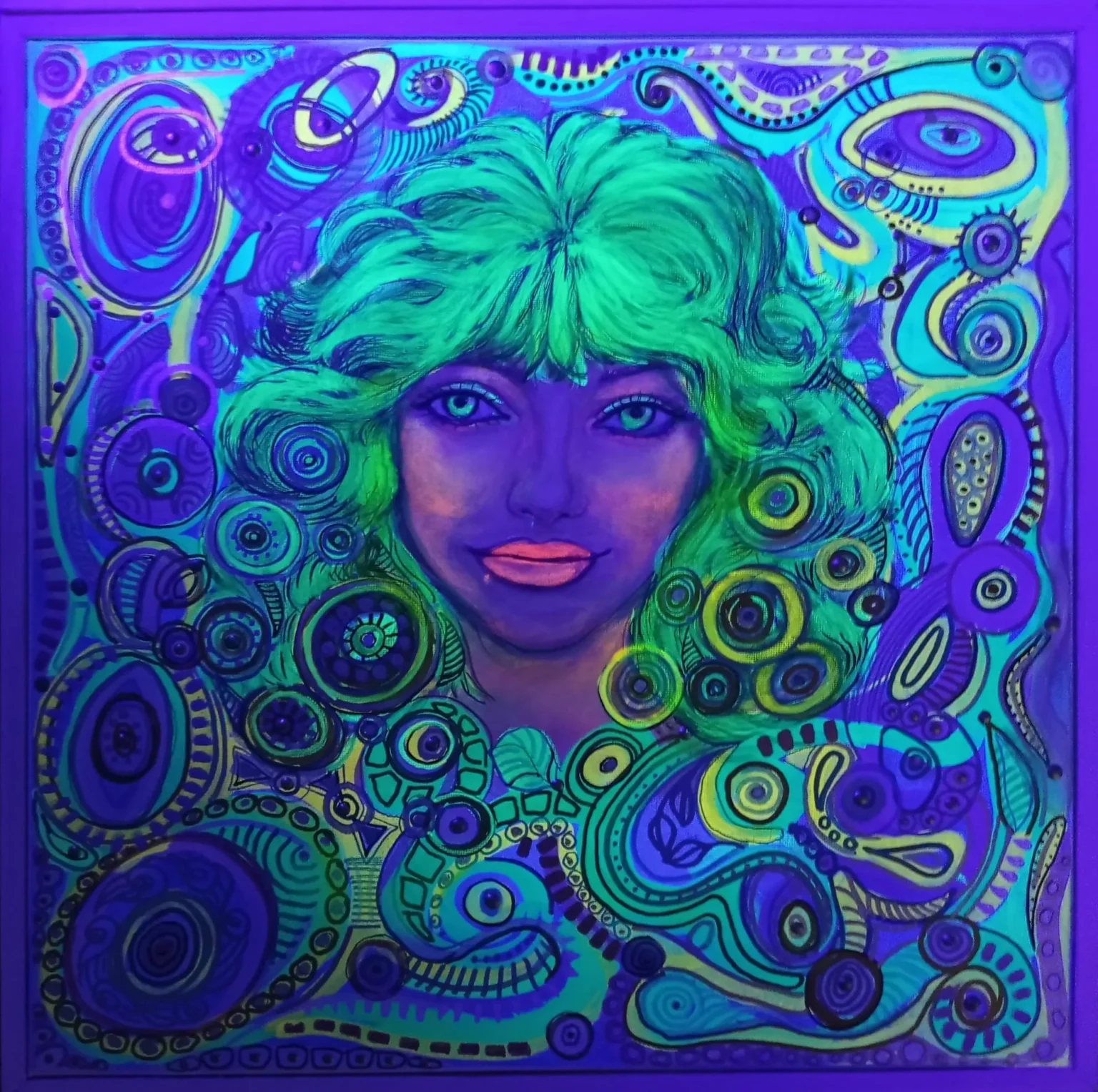
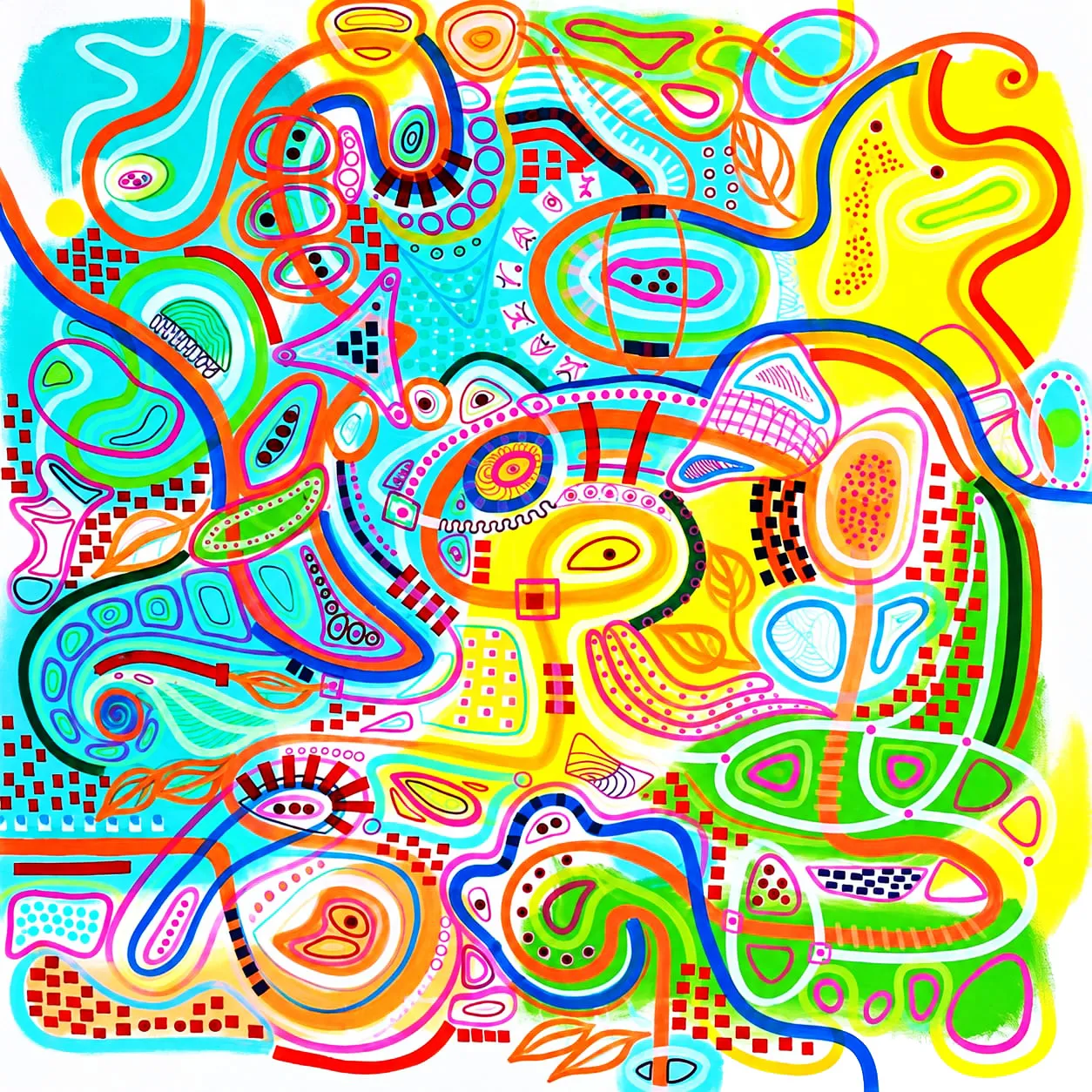
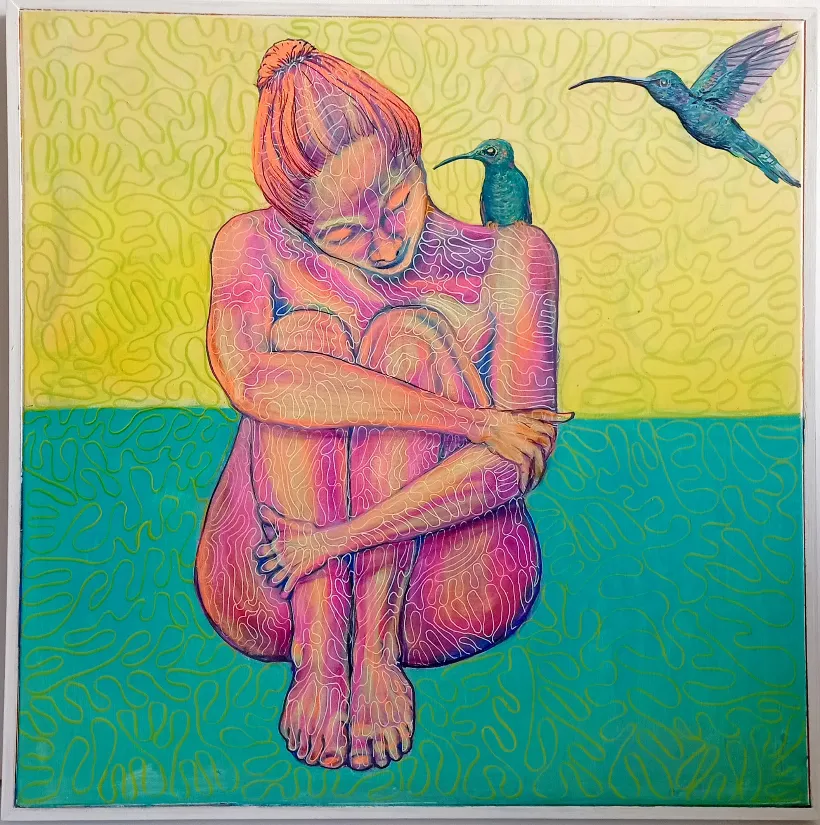
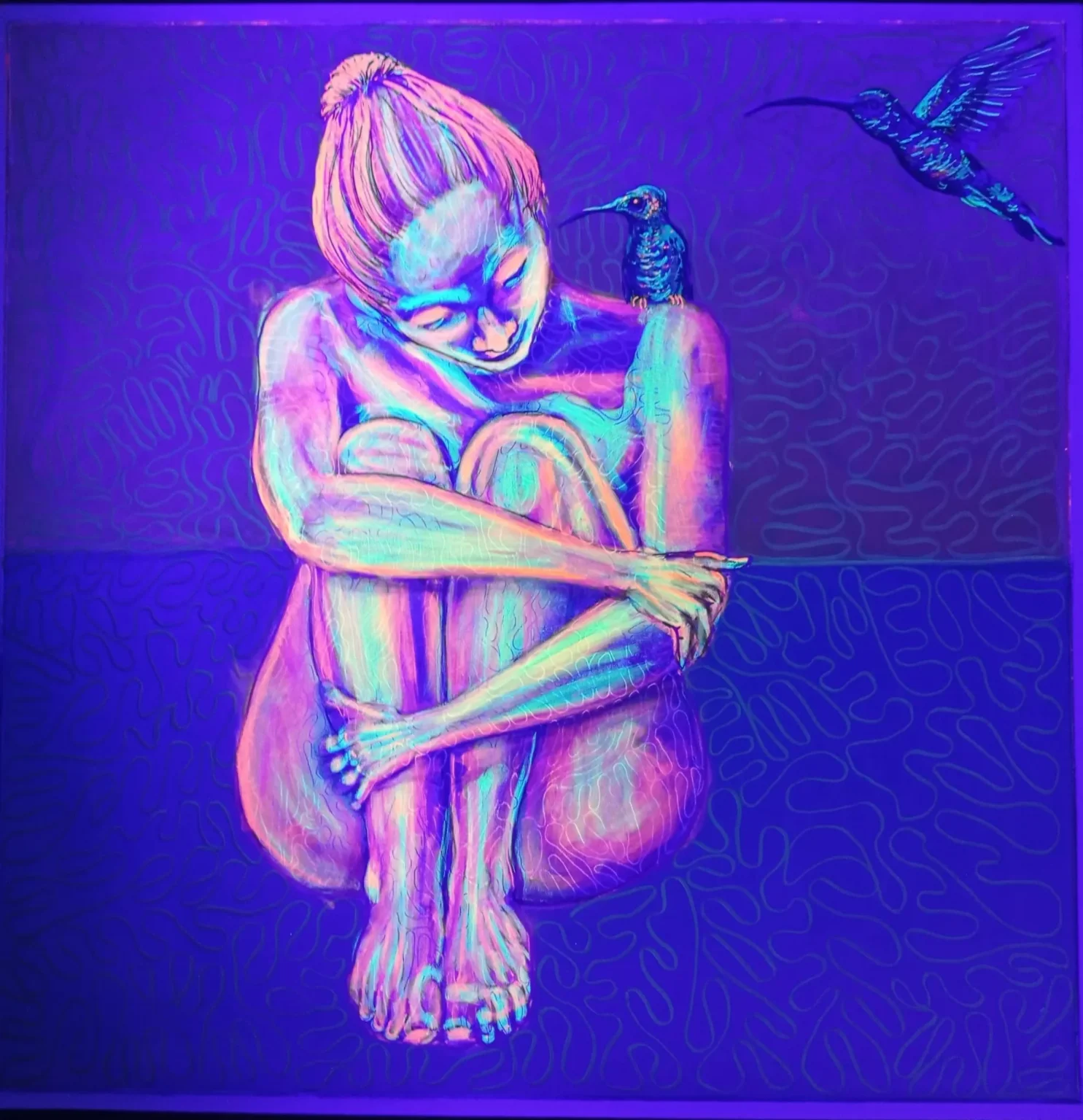
La vibración de los colores tiene el poder de elevarnos. Las pinturas sensibles a la luz ultravioleta (UV) hacen visible lo que permanece oculto a simple vista: el flujo de la energía positiva. Mis obras buscan conectar con el espectador y transmitir alegría, esperanza y luz interior.
A színek rezgése képes felemelni bennünket. Az ultraibolya (UV) fényre érzékeny festmények láthatóvá teszik azt, ami szabad szemmel rejtve marad: a pozitív energia áramlását. Műveimmel kapcsolatot keresek a nézővel, és örömöt, reményt, valamint belső fényt szeretnék közvetíteni.
The vibration of colors has the power to uplift us. Paintings sensitive to ultraviolet (UV) light make visible what remains hidden to the naked eye: the flow of positive energy. My works seek to connect with the viewer and convey joy, hope, and inner light.
La armonía de las vibraciones I. II. III.A vibrációk harmóniája I. II. III.The harmony of vibrations I. II. III.
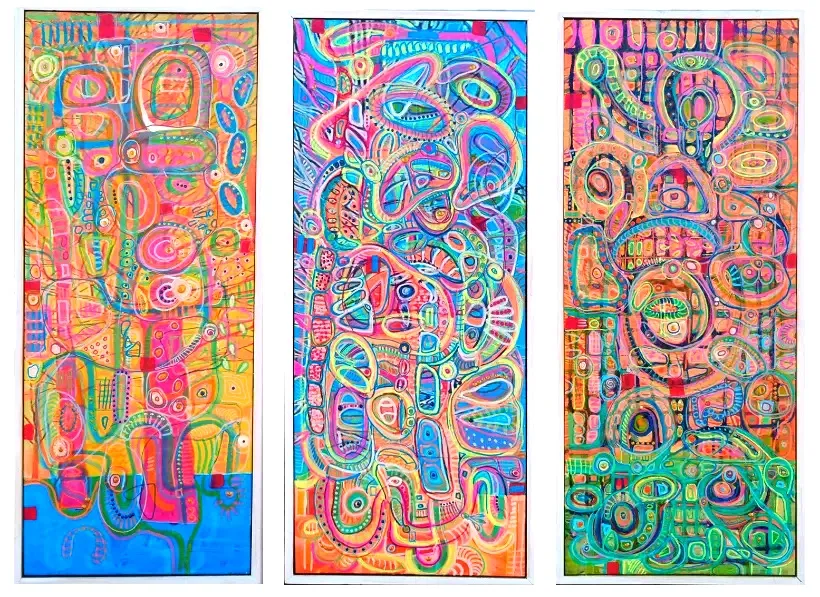
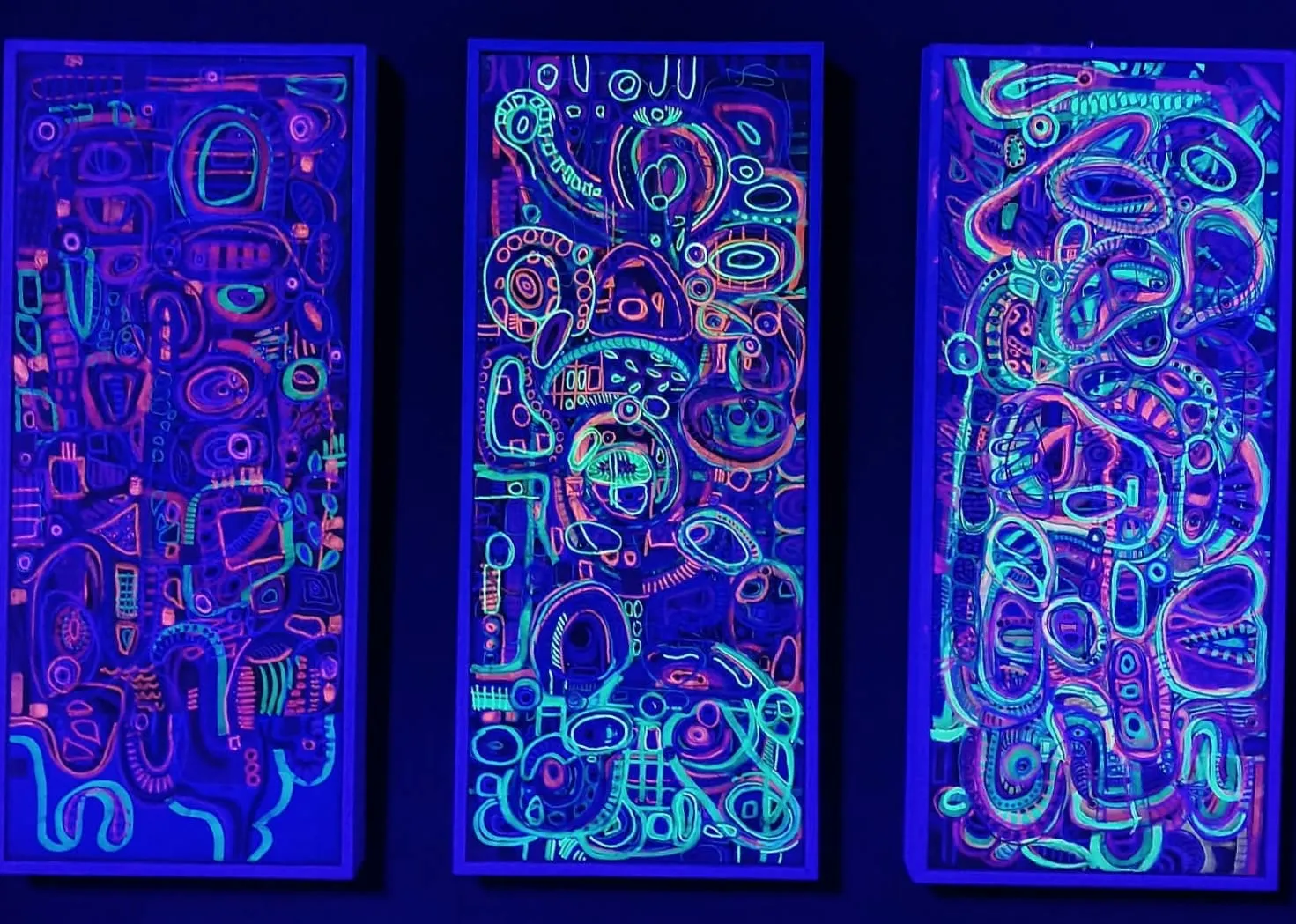
La vibración de los colores tiene el poder de elevarnos. Las pinturas sensibles a la luz ultravioleta (UV) hacen visible aquello que permanece oculto a simple vista: el flujo de la energía positiva. Mi objetivo es que mis obras conecten con el espectador a través de una carga positiva y transmitan alegría, esperanza y luz interior.
A színek vibrálása képes felemelni minket. Az ultraibolya (UV) fényre érzékeny festékek láthatóvá teszik azt, ami szabad szemmel rejtve marad: a pozitív energia áramlását. Célom, hogy műveim pozitív töltésen keresztül kapcsolódjanak a nézőhöz, és örömöt, reményt és belső fényt közvetítsenek.
The vibrancy of colors has the power to uplift us. Paints sensitive to ultraviolet (UV) light make visible what remains hidden to the naked eye: the flow of positive energy. My goal is for my works to connect with the viewer through a positive charge and transmit joy, hope, and inner light.
La «evolución» de los juguetesA gyermekjátékok „evolúciója”The “evolution” of toys
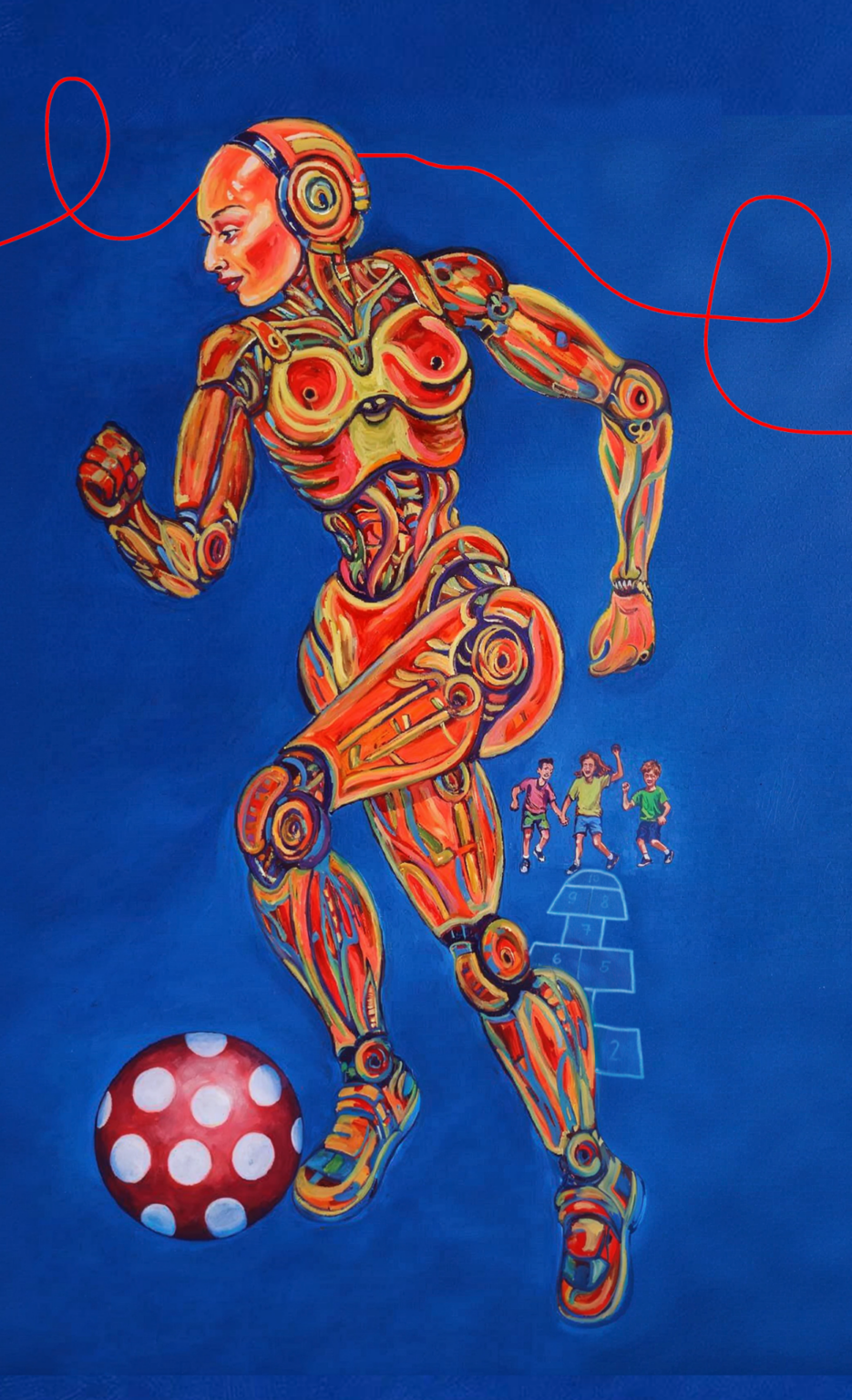
La transformación de los juguetes infantiles: desde el mundo tradicional del juego hacia un futuro cada vez más determinado por la tecnología. El juguete no es solo un objeto, sino también un reflejo de cómo cambian el niño y el mundo que lo rodea.
A gyermekjátékok változásának története: a hagyományos játékvilágból egy technológia által egyre inkább meghatározott jövő felé. A játék már nemcsak tárgy, hanem annak tükre is, hogyan változik a gyermek és az őt körülvevő világ.
The transformation of children's toys: from the traditional world of play towards a future increasingly shaped by technology. The toy is not only an object, but also a reflection of how the child and the surrounding world are changing.
Tuve un hermoso sueñoGyönyörű álmom voltI Had a beautiful dream
La vibración de los colores tiene el poder de elevarnos. Las pinturas sensibles a la luz ultravioleta (UV) hacen visible aquello que permanece oculto a simple vista: el flujo de la energía positiva. Mi objetivo es que mis obras conecten con el espectador a través de una carga positiva y transmitan alegría, esperanza y luz interior.
A színek vibrálása képes felemelni minket. Az ultraibolya (UV) fényre érzékeny festékek láthatóvá teszik azt, ami szabad szemmel rejtve marad: a pozitív energia áramlását. Célom, hogy műveim pozitív töltésen keresztül kapcsolódjanak a nézőhöz, és örömöt, reményt és belső fényt közvetítsenek.
The vibrancy of colors has the power to uplift us. Paints sensitive to ultraviolet (UV) light make visible what remains hidden to the naked eye: the flow of positive energy. My goal is for my works to connect with the viewer through a positive charge and transmit joy, hope, and inner light.
Resonancia de luzFényrezonanciaLight resonance
La vibración de los colores tiene el poder de elevarnos. Las pinturas sensibles a la luz ultravioleta (UV) hacen visible aquello que permanece oculto a simple vista: el flujo de la energía positiva. Mi objetivo es que mis obras conecten con el espectador a través de una carga positiva y transmitan alegría, esperanza y luz interior.
A színek vibrálása képes felemelni minket. Az ultraibolya (UV) fényre érzékeny festékek láthatóvá teszik azt, ami szabad szemmel rejtve marad: a pozitív energia áramlását. Célom, hogy műveim pozitív töltésen keresztül kapcsolódjanak a nézőhöz, és örömöt, reményt és belső fényt közvetítsenek.
The vibrancy of colors has the power to uplift us. Paints sensitive to ultraviolet (UV) light make visible what remains hidden to the naked eye: the flow of positive energy. My goal is for my works to connect with the viewer through a positive charge and transmit joy, hope, and inner light.
Detrás de las floresA virágok belsejébenInside the flowers
La vibración de los colores tiene el poder de elevarnos. Las pinturas sensibles a la luz ultravioleta (UV) hacen visible aquello que permanece oculto a simple vista: el flujo de la energía positiva. Mi objetivo es que mis obras conecten con el espectador a través de una carga positiva y transmitan alegría, esperanza y luz interior.
A színek vibrálása képes felemelni minket. Az ultraibolya (UV) fényre érzékeny festékek láthatóvá teszik azt, ami szabad szemmel rejtve marad: a pozitív energia áramlását. Célom, hogy műveim pozitív töltésen keresztül kapcsolódjanak a nézőhöz, és örömöt, reményt és belső fényt közvetítsenek.
The vibrancy of colors has the power to uplift us. Paints sensitive to ultraviolet (UV) light make visible what remains hidden to the naked eye: the flow of positive energy. My goal is for my works to connect with the viewer through a positive charge and transmit joy, hope, and inner light.
En las garras de los númerosA számok karmai közöttIn the claws of numbers
En el mundo del niño entran cada vez con más fuerza los números, los sistemas y la tecnología. Junto al juego y la libertad aparece otro mundo: el de la medición, el rendimiento y el control.
A gyermek világába egyre erősebben belépnek a számok, a rendszerek és a technológia. A játék és a szabadság mellett megjelenik egy másik világ is: a mérhetőség, a teljesítmény és a kontroll világa.
Numbers, systems and technology are entering the child's world with increasing force. Alongside play and freedom, another world appears: one of measurement, performance and control.
HumanoidesHumanoidokHumanoids
La frontera entre el ser humano y la máquina se vuelve cada vez más incierta. Las figuras humanoides resultan a la vez familiares y extrañas, evocando un futuro en el que la tecnología puede dejar de ser solo una herramienta para convertirse también en compañera.
Az ember és a gép közötti határ egyre bizonytalanabbá válik. A humanoid alakok egyszerre ismerősek és idegenek: egy olyan jövőt idéznek meg, amelyben a technológia már nemcsak eszköz, hanem társ is lehet.
The boundary between human and machine is becoming increasingly uncertain. The humanoid figures seem both familiar and strange, evoking a future in which technology may no longer be merely a tool, but also a companion.
La trama de la naturalezaA természet szövedékeThe Fabric of Nature
La energía de la naturalezaA természet energiájaThe Energy of Nature
La Madre Tierra dormitandoSzundikáló AnyaföldMother Earth Dozing
La figura femenina que dormita entre las flores evoca a la Madre Tierra, dadora de vida. Las flores de su entorno se prolongan sobre su cuerpo, uniendo a la mujer con la naturaleza. Su serenidad y la vegetación exuberante expresan juntas la continuidad de la vida.
A virágok között szundikáló nőalak az életet adó Anyaföldet idézi. Testén tovább élnek a körülötte nyíló virágok, összekapcsolva a női alakot a természettel. Nyugalma és a burjánzó növényvilág együtt fejezi ki az élet folytonosságát.
The female figure dozing among the flowers evokes Mother Earth, the giver of life. The surrounding flowers continue across her body, connecting the woman with nature. Her serenity and the flourishing vegetation together express the continuity of life.
Orejas azules de conejoKék nyúlfülBlue Rabbit Ears
Esta figura de color azul intenso reúne rasgos de mujer, conejo y robot. Las orejas de conejo y las formas del pecho femenino se integran en un cuerpo de apariencia mecánica. La cabeza, el torso, los brazos y las piernas son móviles, lo que permite colocar la figura en posturas muy variadas, como las del cuerpo humano. Las líneas y espirales plateadas del cuerpo encuentran un eco en los motivos de la base de mosaico multicolor.
A mélykék alakban nő, nyúl és robot találkozik. A nyúlra emlékeztető fülek és a női mell formái egy tagolt, gépszerű testen jelennek meg. A fej, a törzs, a karok és a lábak is mozgathatók, így a figura az emberi testhez hasonlóan sokféle tartásba állítható. A testén futó ezüstös vonalak és spirálok visszaköszönnek a színes mozaiktalapzat mintáiban.
This deep-blue figure brings together a woman, a rabbit and a robot. Rabbit-like ears and the contours of the breasts are part of a segmented, machine-like body. The head, torso, arms and legs can all move, allowing the figure to take on a wide range of human-like poses. Silvery lines and spirals across the body echo the patterns on the colourful mosaic base.
Centinela rojaVörös őrszemRed Sentinel
La figura roja reúne rasgos femeninos, caninos y mecánicos. Las formas del pecho femenino y la cabeza que recuerda a un perro pertenecen al mismo cuerpo articulado. Vista desde atrás, la cabeza deja ver sus elementos mecánicos. La movilidad de la cabeza, el torso, los brazos y las piernas permite colocar la figura sobre su base de mosaico en posturas que evocan gestos humanos.
A vörös figura női, kutyaszerű és gépi vonásokat egyesít. A női mell formái és a kutyára emlékeztető fej ugyanahhoz a mozgatható testhez tartoznak. Hátulról a fej gépi szerkezeti elemei is láthatóvá válnak. A fej, a törzs, a karok és a lábak is mozgathatók, így a figura a mozaiktalapzaton sokféle, emberi gesztust idéző tartásba állítható.
The red figure combines features of a woman, a dog and a machine. The contours of the breasts and the dog-like head belong to the same articulated body. Mechanical elements are visible at the back of the head. With its movable head, torso, arms and legs, the figure can be posed on its mosaic base in ways that recall human gestures.
Brillo de bronceBronzfényBronze Gleam
Esta figura de tono bronce dorado nace del encuentro entre el cuerpo femenino y la máquina. Las formas del pecho le dan un rasgo humano, y las extremidades segmentadas y las articulaciones móviles evocan una estructura mecánica. La cabeza, el torso, los brazos y las piernas son móviles. Sobre su base de mosaico, la figura puede adoptar posturas que evocan a la vez el gesto humano y el movimiento de una máquina.
Az aranyba hajló, bronzszínű alak a női test és a gép találkozásából születik. A mell formái emberi vonást adnak a testnek, a tagolt végtagok és a mozgatható ízületek pedig a gépi szerkezetet idézik. A mozaiktalapzaton álló figura feje, törzse, karjai és lábai is mozgathatók. Egy-egy testtartásában egyszerre ismerhető fel az emberi gesztus és a gép mozdulata.
This golden-bronze figure brings the female body and the machine together. The contours of the breasts give it a human feature, while the segmented limbs and movable joints suggest a mechanical structure. The figure’s head, torso, arms and legs can all move. On its mosaic base, it can take on poses that evoke both a human gesture and a mechanical movement.
Madre pezAnyahalMother Fish
Madre pez es una de las figuras híbridas, abstractas y surrealistas de Catlin Schlosser-Bautista. La inspiran dos observaciones: el cuidado de las crías de los peces vivíparos de su acuario y las bocas que le recordaron a labios pintados en peces que vio al bucear. La figura reúne rasgos de mujer, pez y dragón. De sus pechos cuelgan tres pececillos, como si mamaran. La escena combina la ternura maternal con el humor.
Az Anyahal Catlin Schlosser-Bautista absztrakt, szürreális hibridjeinek egyike. Két megfigyelés ihlette: az elevenszülő akváriumi halak ivadékgondozása és a búvárkodás közben látott halak rúzsozott ajkakat idéző szája. A női, hal- és sárkányvonásokat ötvöző alak melléről három kishal függ, mintha szopnának. Az anyai gondoskodás ebben a jelenetben játékos humorral társul.
Mother Fish is one of Catlin Schlosser-Bautista’s abstract, surreal hybrids. It draws on two observations: live-bearing aquarium fish tending their young and the mouths of fish seen while diving that reminded her of rouged lips. The figure combines features of a woman, a fish and a dragon. Three little fish hang from her breasts as though she were nursing them, bringing a touch of humour to a scene of maternal care.
La mujer pájaro rojaA vörös madárasszonyLa mujer pájaro roja
La figura femenina roja tiene una cabeza que recuerda a la de un osezno, con pico de ave y dos alas blancas desplegadas. La combinación inesperada de rasgos humanos y animales da forma a una criatura lúdica y surrealista.
A vörös nőalak mackóra emlékeztető fejéhez madárcsőr és két kitárt fehér szárny társul. Az emberi és állati vonások szokatlan találkozása játékos, szürreális lénnyé formálja a szobrot.
The red female figure has a head that recalls a bear cub, with a bird’s beak and two outstretched white wings. The unexpected blend of human and animal features gives shape to a playful, surreal creature.
El sueño invernal de la Madre TierraAnyaföld téli álmaMother Earth’s Winter Dream
En un paisaje invernal que evoca el mundo de los cuentos y la pintura naïf, la Madre Tierra se perfila como una mujer dormida entre las raíces de los abedules. Durante su sueño invernal, su cuerpo da cobijo a los animales y las plantas.
En un paisaje invernal que evoca el mundo de los cuentos y la pintura naïf, la Madre Tierra se perfila como una mujer dormida entre las raíces de los abedules. Durante su sueño invernal, su cuerpo da cobijo a los animales y las plantas.
In a winter landscape that evokes fairy tales and naïve painting, Mother Earth takes the form of a sleeping woman among the roots of the birch trees. As she sleeps through the winter, her body shelters animals and plants.
Bosque a tres vocesErdő három hangraForest in Three Voices
Los troncos rojizos y las ramas desnudas reaparecen en los tres lienzos. Los fondos anaranjado, azul y amarillo dan al mismo motivo tres atmósferas distintas, mientras las líneas onduladas del suelo prolongan el ritmo de las
A vöröses fatörzsek és a lombtalan ágak mindhárom vásznon visszatérnek. A narancsvörös, a kék és a sárga háttér három különböző hangulatot ad ugyanannak a motívumnak, miközben a talaj hullámzó vonalai továbbviszik az ágak ritmusát.
Reddish trunks and bare branches recur across all three canvases. Orange-red, blue and yellow backgrounds lend the same motif three different moods, while the undulating lines of the forest floor carry on the rhythm of the branches.
El cuerpo que nutreA tápláló testThe Body That Nourishes
Las figuras infantiles, modeladas en arcilla blanca, se aferran al cuerpo materno. La escultura muestra la importancia de la lactancia materna desde la perspectiva del bebé. El cuerpo de la madre le da alimento, y en esa cercanía el bebé experimenta el contacto y el cuidado.
A fehér agyagból formált gyermekalakok az anya testébe kapaszkodnak. A szobor a gyermek szemszögéből mutatja meg a szoptatás jelentőségét. Az anya teste táplálékot ad, és a gyermek a testközelségben megtapasztalja az érintést és a gondoskodást.
The children, sculpted in white clay, cling to their mother’s body. The sculpture explores the importance of breastfeeding from the infant’s perspective. The mother’s body provides nourishment, and in that closeness the infant experiences touch and care.
La dama dinosaurioDínódámaDino Dame
Con su cresta y su amplia cola, esta criatura femenina imaginaria evoca a los dinosaurios. Sus colores vivos y sus motivos circulares acentúan el carácter lúdico de la figura, que forma parte de la serie de criaturas híbridas. Al dar una nueva vida a los materiales, la escultura invita a reflexionar sobre la reutilización y el cuidado de la naturaleza.
Tarajával és széles farkával ez a képzeletbeli női lény a dinoszauruszokat idézi. Élénk színei és körkörös mintái játékossá teszik a hibrid sorozatba tartozó figurát. A kisplasztika új életet ad a felhasznált anyagoknak, és arra hívja fel a figyelmet, hogyan óvhatjuk a természetet az anyagok újrahasznosításával.
Reused materials painted with acrylic · 26 × 19 × 15 cm · 2025
With her crest and broad tail, this imaginary female creature recalls a dinosaur. Bright colours and circular patterns give her a playful character. Part of the hybrid creatures series, the sculpture gives discarded materials a new life and invites reflection on how reuse can help protect nature.
Agave – Árbol de la vidaAgavé – ÉletfaAgave – Tree of Life
Creé este pequeño árbol de la vida con el tallo floral leñoso de un agave. Es tan duro que parece de hierro. Sobre una de sus ramas coloqué un nido con unos huevos diminutos. Los huevos simbolizan la continuidad de la vida. Para mí, este árbol es también un árbol genealógico que une a las generaciones.
El agave florece una sola vez en su vida. En algunas especies, en el tallo floral nacen pequeñas plantas mientras la planta madre llega al final de su ciclo vital. Esto me recuerda a los animales y a las personas que llegan incluso a arriesgar su propia vida por sus crías o sus hijos.
Por eso este pequeño árbol forma parte de la exposición Tierra, mujer, vida. El nido y el tallo floral hablan juntos de cómo transmitimos la vida y cuidamos de quienes vienen después de nosotros.
Ezt a kis életfát egy agávé fás virágszárából készítettem. A szára olyan kemény, hogy olyan érzés, mint a vas. Az egyik ágára egy fészket helyeztem, amelyben apró tojások vannak. A tojások az előrevitt életet szimbolizálják. Számomra ez egy családfa is, amely összeköti a generációkat. Az agávé élete során csak egyszer virágzik. Egyes fajoknál apró növények nőnek a virágszáron, amikor az anyanövény eléri élete végét. Ez azokra az állatokra és emberekre emlékeztet, akik néha kockáztatják az életüket a kicsinyeikért. Ezért szerepel ez a kis fa a Tierra, mojer, vida című kiállításon. A fészek és a virágszár együtt arról mesél, hogyan adjuk tovább az életet, és hogyan gondoskodunk az utánunk jövőkről.
I made this small tree of life from the woody flower stalk of an agave. The stalk is so hard it feels like iron. On one of its branches, I placed a nest holding tiny eggs. The eggs symbolize life carried forward. To me, this is also a family tree that connects generations. An agave flowers only once in its lifetime. In some species, tiny plants grow on the flower stalk as the parent plant reaches the end of its life. This reminds me of animals and people who sometimes risk their own lives for their young. That is why this small tree is part of the exhibition Tierra, mujer, vida. Together, the nest and the flower stalk speak of how we pass on life and care for those who come after us.
La semilla del futuroA jövő magjaThe Seed of the Future
Cada semilla lleva consigo la promesa de una nueva vida. En esta escultura le he dado una forma imaginaria para expresar la esperanza que guarda. Desde hace muchos años, reutilizar materiales y darles un nuevo sentido forma parte de mi trabajo artístico. Es mi manera de cuidar la naturaleza y de crear a partir de lo que ya tenemos.
Minden mag egy új élet ígéretét hordozza. Ebben a plasztikában képzeletbeli formát adtam a magnak, hogy megmutassam a benne rejlő reményt. Régóta része a művészetemnek, hogy a meglévő anyagokat újra felhasználom, és új értelmet adok nekik. Így kapcsolódik össze számomra az alkotás és a természet megóvása.
Every seed carries the promise of new life. In this sculpture, I gave the seed an imagined form to express the hope it holds. Reusing materials and giving them new meaning has long been part of my artistic practice. It is my way of caring for nature and creating from what we already have.
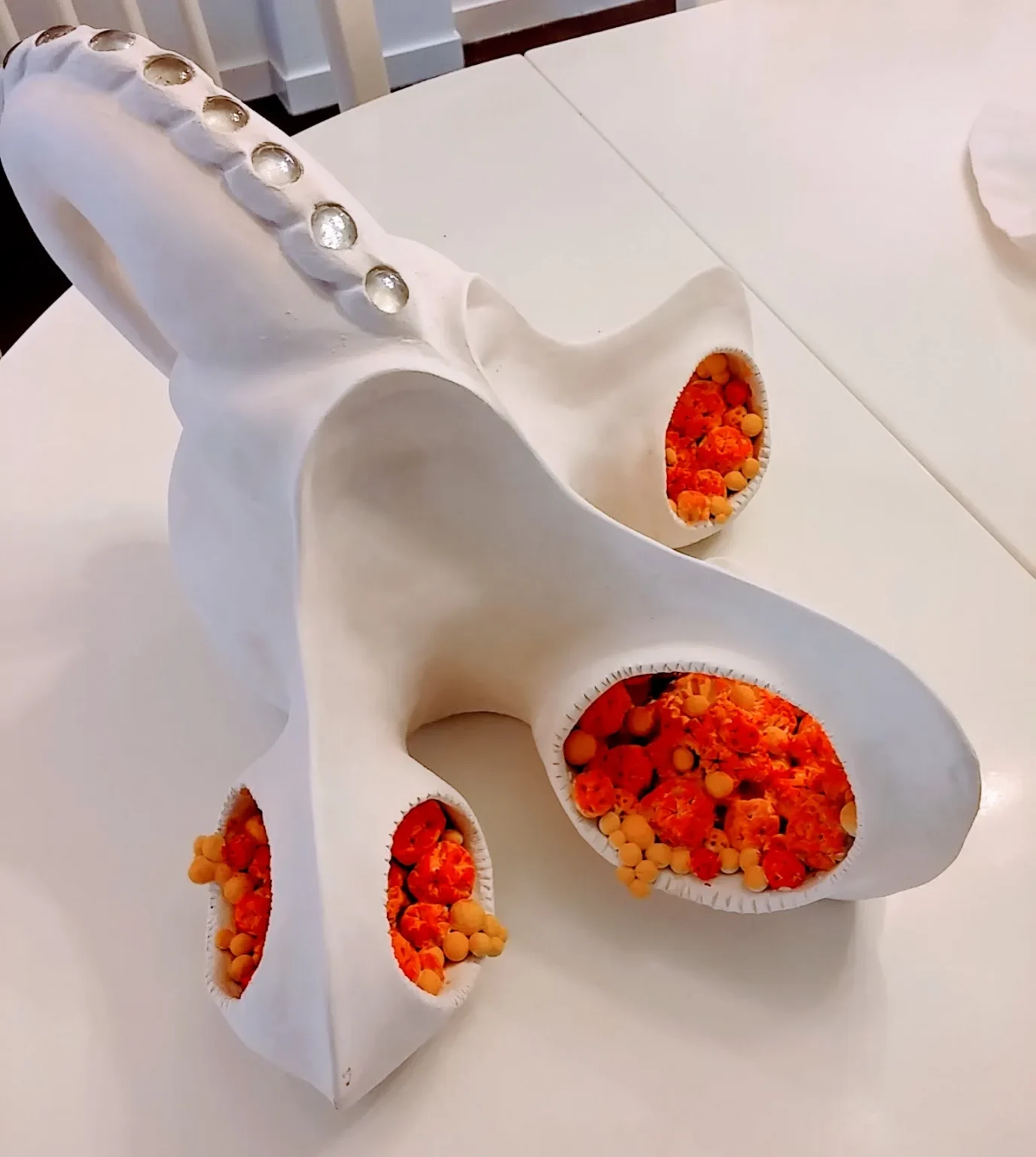
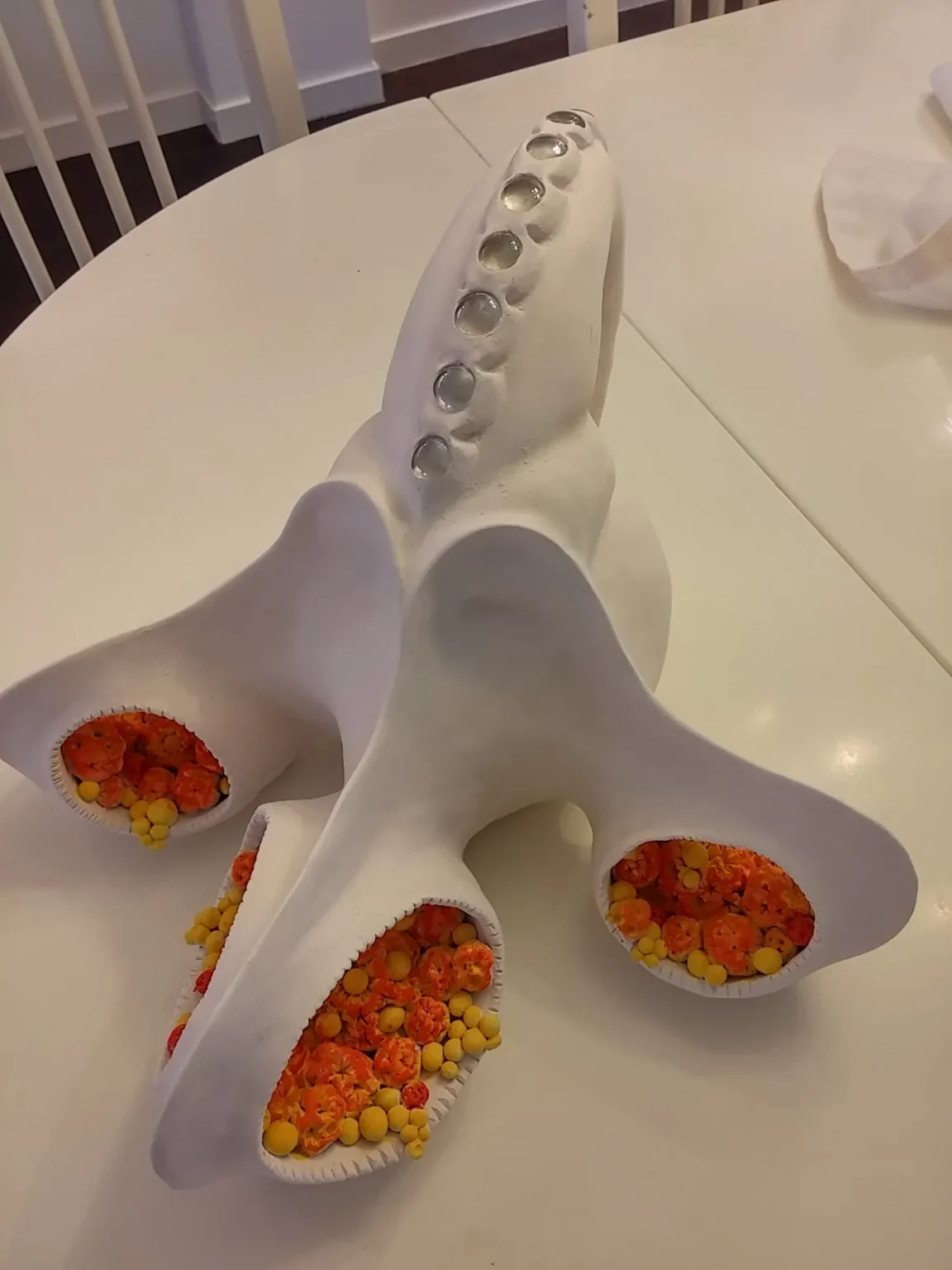
Cápsula de semillasMagkapszulaSeed Capsule
Las formas enigmáticas, casi futuristas, de las semillas inspiran esta escultura. En las cavidades de la cerámica blanca, pequeños volúmenes amarillos y anaranjados evocan semillas. La cápsula encierra la posibilidad de una nueva vida.
A magok titokzatos, olykor szinte futurisztikus formái ihlették a plasztikát. A fehér kerámia mélyedéseiben sárga és narancsszínű apró formák idézik a magokat. A kapszula az új élet lehetőségét hordozza.
The mysterious, almost futuristic shapes of seeds inspired this sculpture. Small yellow and orange forms nestled in the hollows of the white ceramic evoke seeds. The capsule holds the possibility of new life.
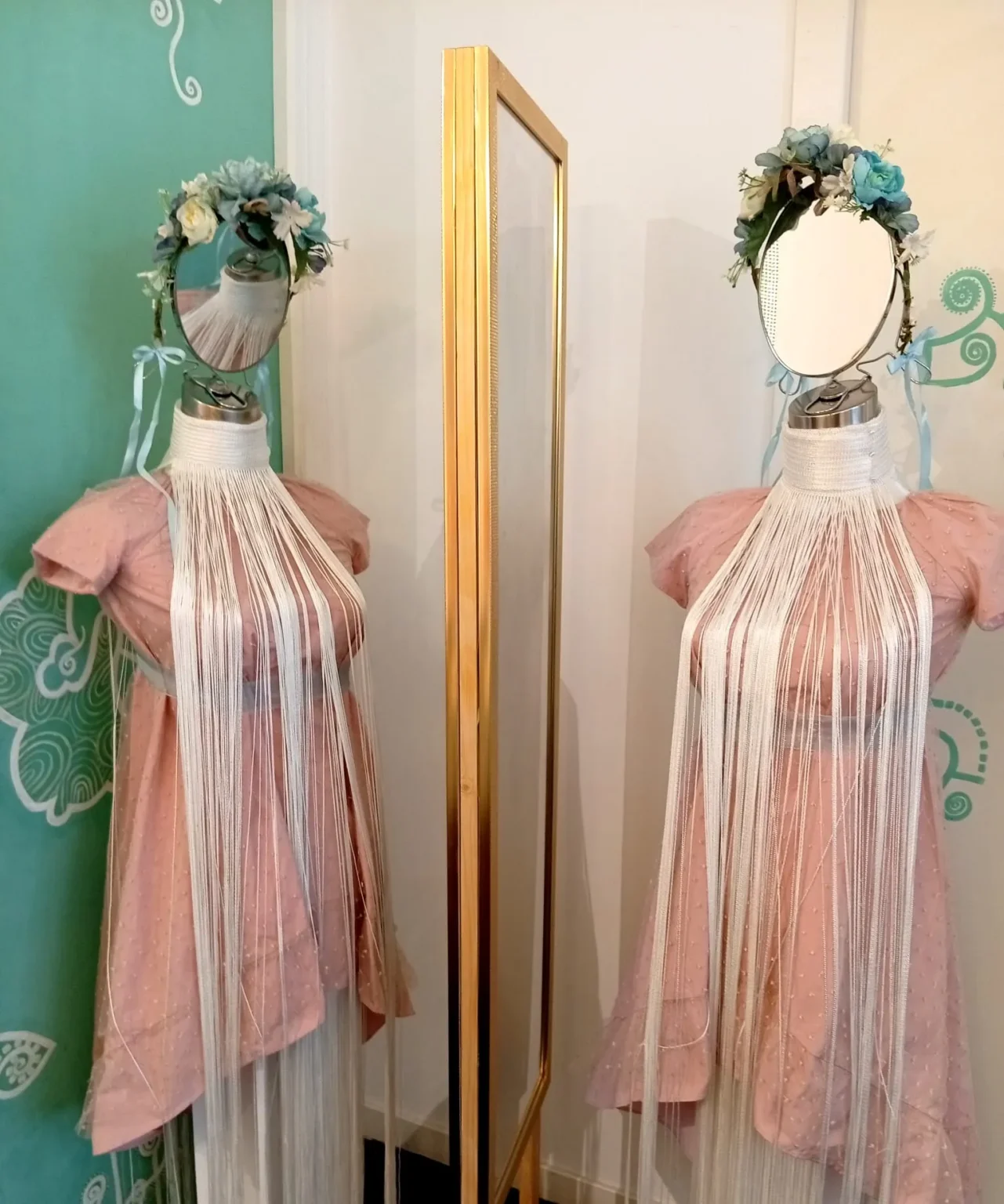
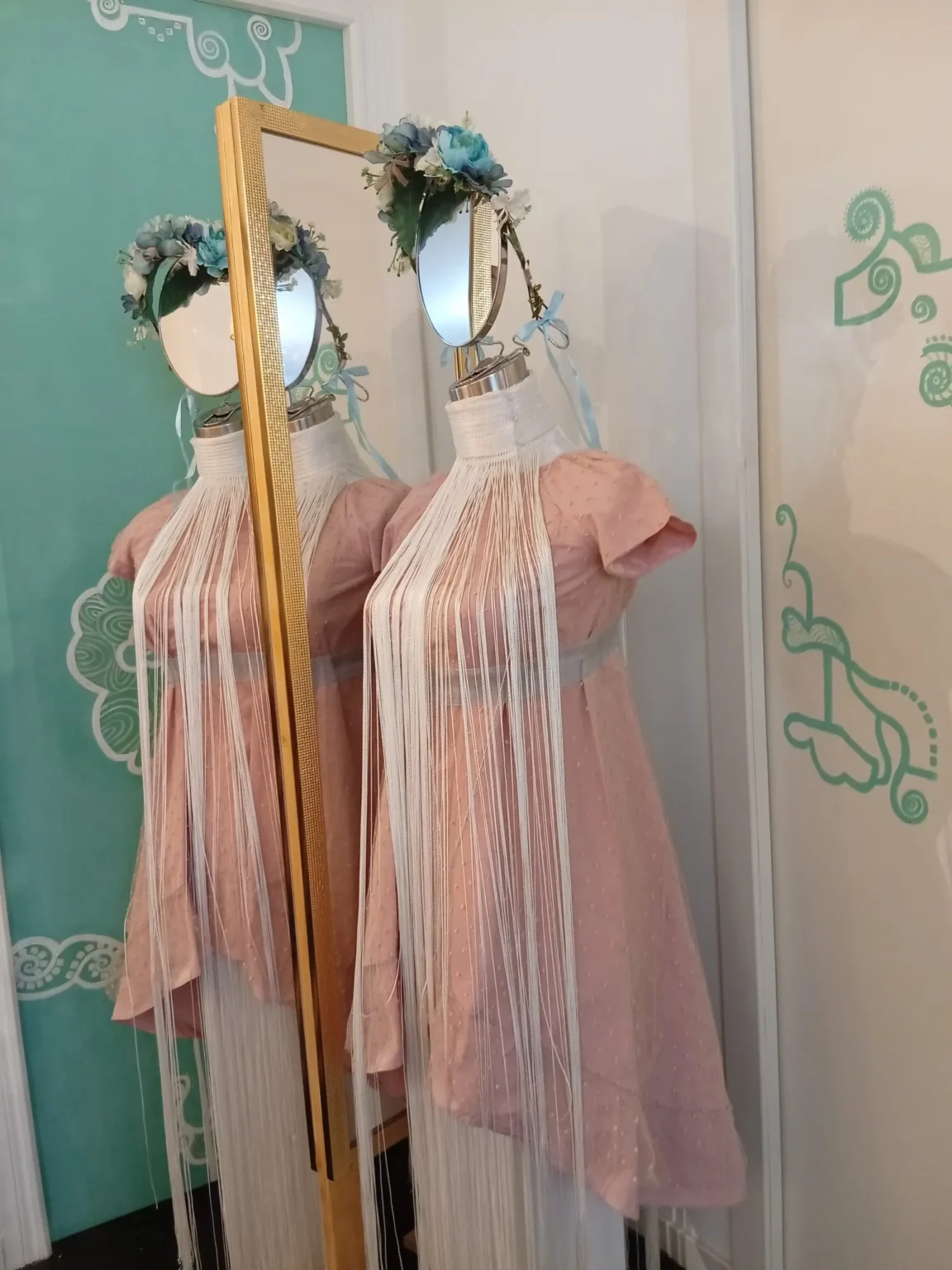
Espejito, espejito, dimeTükröm, tükröm, mondd meg nékem…Mirror, Mirror, Tell Me…
Dos figuras femeninas idénticas aparecen a ambos lados de una pareja de espejos dispuestos espalda contra espalda sobre una estructura con pedestal. Los dos lados del conjunto se reflejan mutuamente: la presencia duplicada de estas figuras gemelas explora la búsqueda de la belleza femenina y el deseo de sentirse deseada. Los torsos, sin brazos ni piernas, llevan vestidos iguales adornados con cuentas y tul. Desde el cuello caen largas hebras que evocan una cabellera blanca. Una corona de flores dibuja el contorno de la cabeza, mientras que un espejo ovalado de doble cara, que puede girar, ocupa el lugar del rostro. Una imagen cambiante sustituye al rostro ausente. ¿De dónde nace la imagen que una mujer tiene de sí misma? ¿De su propia certeza interior o de la mirada de los demás? El deseo de belleza se entrelaza con el anhelo de ser vista, de resultar atractiva, de ser elegida. El rostro de quien contempla la obra también puede aparecer en los espejos, acercando la pregunta del cuento al ámbito personal. Al girar las superficies, cambia lo que reflejan. La instalación abre un espacio íntimo y sensible en torno a la imagen de la mujer: el deseo de ser percibida como bella y la incertidumbre de si la respuesta del espejo llegará alguna vez a ser suficiente.
Két azonos nőalak jelenik meg egy talapzatra épített, egymásnak háttal álló tükörpár két oldalán. Az elrendezés két oldala egymás tükörképe: az ikerszerű alakok megkettőzött jelenléte a női szépség és a vágyottság keresését bontja ki. A kar és láb nélküli torzókat egyforma, gyöngyökkel és tüllel díszített ruhák öltöztetik. Nyakuktól hosszú, fehér hajra emlékeztető szálak omlanak alá. A fej körvonalát virágkoszorú jelzi, az arc helyén pedig elfordítható, kétoldalas ovális tükör fogadja a tekintetet. A hiányzó arc helyére változó tükörkép lép. Miből születik a nő önmagáról alkotott képe? Saját belső bizonyosságából, vagy abból, ahogyan mások tekintenek rá? A szépség iránti vágy összefonódik azzal a kívánsággal, hogy észrevegyenek, vonzónak találjanak, bennünket válasszanak. A tükrökben a néző arca is megjelenhet, személyessé téve a meséből ismerős kérdést. A felületek elfordulásával a visszatükrözött kép is változik. Az installáció a női önkép érzékeny lelki terét nyitja meg: a vágyat, hogy szépnek lássanak, és a bizonytalanságot, hogy vajon elég-e valaha a tükör válasza.
Two identical female figures appear on either side of a pair of mirrors set back to back on a pedestal structure. The two sides of the arrangement mirror one another: the doubled presence of these twin-like figures explores the pursuit of female beauty and the longing to be desired. The torsos, without arms or legs, wear matching dresses adorned with beads and tulle. Long strands resembling white hair fall from their necks. Floral wreaths trace the outlines of their heads, while rotating, double-sided oval mirrors take the place of faces. A changing reflection replaces the absent face. Where does a woman's image of herself come from? From her own inner conviction, or from the way others look at her? The desire for beauty intertwines with the wish to be noticed, found attractive and chosen. The viewer's own face may also appear in the mirrors, bringing the familiar fairy-tale question into personal focus. As the surfaces turn, their reflections change. The installation opens an intimate, vulnerable space around female self-image: the desire to be seen as beautiful and the uncertainty of whether the mirror's answer can ever be enough.
Dos tótemsKét totemTwo Totems
Estas dos esculturas de distinto tamaño y apariencia totémica nacieron durante un encuentro internacional de artistas en Eslovaquia. Catlin Schlosser-Bautista utilizó recortes de madera que los carpinteros habían apartado en una obra cercana. Aquello que había dejado de ser útil para su propósito inicial se convirtió en el punto de partida de una nueva creación. Las formas de madera, regulares e irregulares, se organizan en composiciones abstractas de estructura vertical. El ritmo de las piezas ensambladas se enriquece con figuras dibujadas sobre las superficies, distintos elementos de madera y detalles metálicos puntuales. De cerca, la mirada recorre los pequeños detalles; a distancia, la guían las proporciones y el ritmo del conjunto. Ambas esculturas comparten un lenguaje formal y refuerzan mutuamente su presencia. En estas obras confluyen distintas etapas de la existencia de la madera. La materia viva que creció de la tierra fue transformada por el ser humano en material de construcción; sus fragmentos sobrantes adquirieron una nueva forma y un nuevo significado mediante el trabajo artístico. La apariencia totémica reúne estas huellas materiales en una presencia concentrada, portadora de signos. Las esculturas hacen perceptible la continuidad entre naturaleza, uso humano y creación. En la materia apartada se reconoce la posibilidad de un nuevo comienzo.
A két, eltérő méretű, totemszerű szobor egy szlovákiai nemzetközi művésztelepen született. Catlin Schlosser-Bautista egy közeli építkezésen az ácsok által levágott és félretett fadarabokat használta fel. Ami korábbi rendeltetése szerint fölöslegessé vált, az itt egy új alkotás kiindulópontja lett. A szabályos és szabálytalan faformák oszlopszerű, absztrakt kompozíciókká rendeződnek. Az összeillesztett elemek ritmusát a felületekre rajzolt figurák, a különböző faelemek és a helyenként megjelenő fémdíszek gazdagítják. Közelről az apró részletek, távolabbról a teljes konstrukció arányai és ritmusa vezetik a tekintetet. A két szobor közös formanyelven szólal meg, egymás jelenlétét is erősítve. A művekben a fa egymást követő létformái találkoznak. A földből növő élő anyagot az ember építőelemmé alakította; megmaradt töredékei a művészi munka során újabb formát és jelentést kaptak. A totemszerű megjelenés jeleket hordozó, sűrített jelenlétté kapcsolja össze ezeket az anyagnyomokat. A szobrok a természet, az emberi használat és az alkotás folytonosságát teszik érzékelhetővé. A félretett anyagban felismerhetővé válik egy új kezdet lehetősége.
These two totem-like sculptures of different sizes were created at an international artists' residency in Slovakia. Catlin Schlosser-Bautista used wooden offcuts set aside by carpenters at a nearby construction site. Material no longer needed for its original purpose became the starting point for a new work. Regular and irregular wooden forms are assembled into abstract, column-like compositions. The rhythm of the joined pieces is enriched by figures drawn on their surfaces, varied wooden elements and occasional metal embellishments. Up close, small details guide the eye; from a distance, the proportions and rhythm of the whole take over. The two sculptures share a formal language, each reinforcing the other's presence. Successive stages in the life of wood meet within these works. Living matter that grew from the earth was shaped by human hands into building material; through artistic work, its remaining fragments acquired new form and meaning. Their totem-like appearance brings these material traces together into a concentrated presence bearing visual signs. The sculptures make tangible the continuity between nature, human use and artistic creation. In discarded material, the possibility of a new beginning becomes visible.
Dos tótems2Két totemTwo Totems
Estas dos esculturas de distinto tamaño y apariencia totémica nacieron durante un encuentro internacional de artistas en Eslovaquia. Catlin Schlosser-Bautista utilizó recortes de madera que los carpinteros habían apartado en una obra cercana. Aquello que había dejado de ser útil para su propósito inicial se convirtió en el punto de partida de una nueva creación. Las formas de madera, regulares e irregulares, se organizan en composiciones abstractas de estructura vertical. El ritmo de las piezas ensambladas se enriquece con figuras dibujadas sobre las superficies, distintos elementos de madera y detalles metálicos puntuales. De cerca, la mirada recorre los pequeños detalles; a distancia, la guían las proporciones y el ritmo del conjunto. Ambas esculturas comparten un lenguaje formal y refuerzan mutuamente su presencia. En estas obras confluyen distintas etapas de la existencia de la madera. La materia viva que creció de la tierra fue transformada por el ser humano en material de construcción; sus fragmentos sobrantes adquirieron una nueva forma y un nuevo significado mediante el trabajo artístico. La apariencia totémica reúne estas huellas materiales en una presencia concentrada, portadora de signos. Las esculturas hacen perceptible la continuidad entre naturaleza, uso humano y creación. En la materia apartada se reconoce la posibilidad de un nuevo comienzo.
A két, eltérő méretű, totemszerű szobor egy szlovákiai nemzetközi művésztelepen született. Catlin Schlosser-Bautista egy közeli építkezésen az ácsok által levágott és félretett fadarabokat használta fel. Ami korábbi rendeltetése szerint fölöslegessé vált, az itt egy új alkotás kiindulópontja lett. A szabályos és szabálytalan faformák oszlopszerű, absztrakt kompozíciókká rendeződnek. Az összeillesztett elemek ritmusát a felületekre rajzolt figurák, a különböző faelemek és a helyenként megjelenő fémdíszek gazdagítják. Közelről az apró részletek, távolabbról a teljes konstrukció arányai és ritmusa vezetik a tekintetet. A két szobor közös formanyelven szólal meg, egymás jelenlétét is erősítve. A művekben a fa egymást követő létformái találkoznak. A földből növő élő anyagot az ember építőelemmé alakította; megmaradt töredékei a művészi munka során újabb formát és jelentést kaptak. A totemszerű megjelenés jeleket hordozó, sűrített jelenlétté kapcsolja össze ezeket az anyagnyomokat. A szobrok a természet, az emberi használat és az alkotás folytonosságát teszik érzékelhetővé. A félretett anyagban felismerhetővé válik egy új kezdet lehetősége.
These two totem-like sculptures of different sizes were created at an international artists' residency in Slovakia. Catlin Schlosser-Bautista used wooden offcuts set aside by carpenters at a nearby construction site. Material no longer needed for its original purpose became the starting point for a new work. Regular and irregular wooden forms are assembled into abstract, column-like compositions. The rhythm of the joined pieces is enriched by figures drawn on their surfaces, varied wooden elements and occasional metal embellishments. Up close, small details guide the eye; from a distance, the proportions and rhythm of the whole take over. The two sculptures share a formal language, each reinforcing the other's presence. Successive stages in the life of wood meet within these works. Living matter that grew from the earth was shaped by human hands into building material; through artistic work, its remaining fragments acquired new form and meaning. Their totem-like appearance brings these material traces together into a concentrated presence bearing visual signs. The sculptures make tangible the continuity between nature, human use and artistic creation. In discarded material, the possibility of a new beginning becomes visible.
Madre Tierra – El árbol genealógico de la humanidadFöldanya – Az emberiség családfájaMother Earth – Humanity's Family Tree
La figura de la Madre Tierra yace en una pintura colocada horizontalmente en el suelo. El árbol pintado sobre su cuerpo se prolonga en una estructura tridimensional que emerge del plano del cuadro. Pintura y forma escultórica constituyen una sola obra: el árbol genealógico simbólico de la humanidad nace de la figura femenina que sostiene la vida. La posición de las manos y las piernas ligeramente cruzadas evocan imágenes sagradas y sugieren entrega, vulnerabilidad y sacrificio. En esta figura se unen la tierra de la que vivimos y la madre de la que nacemos. La fuerza de la naturaleza que da vida y la continuidad de las generaciones confluyen en un mismo cuerpo. Sobre la superficie del árbol, construido con paneles de madera encajados entre sí, aparecen escenas históricas: desde la obtención del fuego, pasando por los reinos y el ámbito de la religión, hasta las figuras de la política y la ciencia modernas. Las distintas épocas se encuentran como partes de un único conjunto ramificado. Los tonos terrosos, verdosos, amarillentos y rojizos vinculan el cuerpo pintado con el árbol tridimensional, el origen natural con la memoria humana. La obra enlaza pasado, presente y futuro. Bajo la historia que surge de ella, la Madre Tierra permanece como fundamento vivo y sostén. Todas las ramas del árbol remiten a un origen compartido y plantean una pregunta: ¿cómo tratamos aquello a lo que debemos nuestra existencia?
A padlón vízszintesen elhelyezett festményen Földanya alakja fekszik. Testén a megfestett fa térbeli szerkezetként folytatódik, és kiemelkedik a kép síkjából. A festmény és a szobrászati forma egyetlen összetartozó művé válik: az emberiség jelképes családfája az életet hordozó női alakból bontakozik ki. A figura kéztartása és kissé keresztezett lábai szakrális ábrázolásokat idéznek, az odaadás, a kiszolgáltatottság és az áldozat jelentéseit hívva elő. Alakjában egymásba ér a föld, amelyből élünk, és az anya, akiből megszületünk. A természet életadó ereje és a nemzedékek folytonossága ugyanabban a testben kapcsolódik össze. Az egymásba illesztett falapokból épülő fa felületén történelmi életképek jelennek meg: a tűzcsiholástól a királyságokon és a vallás világán át a modern politika és tudomány szereplőiig. A különböző korok egyetlen szerteágazó egész részeiként találkoznak. A földes, zöldes, sárgás és vöröses árnyalatok összekötik a festett testet a térbeli fával, a természeti eredetet az emberi emlékezettel. A mű múltat, jelent és jövőt kapcsol össze. A belőle kibontakozó történelem alatt Földanya marad az eleven alap és hordozó. A családfa minden ága közös eredetünkhöz vezet vissza, és felveti a kérdést: hogyan bánunk azzal, aminek a létünket köszönhetjük?
The figure of Mother Earth lies within a painting placed horizontally on the floor. The tree painted on her body continues as a three-dimensional structure rising out of the picture plane. Painting and sculptural form become a single work: humanity's symbolic family tree emerges from the life-bearing female figure. The position of her hands and her slightly crossed legs evoke sacred imagery, suggesting devotion, vulnerability and sacrifice. Her figure brings together the earth that sustains us and the mother from whom we are born. Nature's life-giving force and the continuity of generations converge in one body. Historical scenes appear across the tree's surface, built from interlocking wooden panels: from the making of fire to kingdoms and religion, through to figures of modern politics and science. Different eras meet as parts of a single branching whole. Earthy, greenish, yellow and reddish tones connect the painted body with the three-dimensional tree, linking natural origins with human memory. The work connects past, present and future. Beneath the history unfolding from her, Mother Earth remains its living foundation and support. Every branch of the family tree leads back to our shared origins and raises a question: how do we treat that to which we owe our existence?
La inconformeA rosszallóThe Disapproving One
El ojo entrecerrado y la mueca que deja ver los dientes delatan su desaprobación.
Félig lehunyt szeme és fogvillantó fintora elárulja a rosszallását.
One half-closed eye and a tooth-baring grimace give away her disapproval.
La comprensivaA megértőThe Understanding One
Su mirada abierta y su leve sonrisa transmiten comprensión y aceptación.
Nyitott tekintete és enyhe mosolya megértést és elfogadást sugall.
Her open gaze and gentle smile convey understanding and acceptance.
La ingenuaA naivThe Guileless One
Su amplia sonrisa infantil expresa una confianza sincera.
Széles, gyermeki mosolyában őszinte bizalom mutatkozik.
Her broad, childlike smile conveys a simple, wholehearted trust.
PinceladasSzöszenetekFluff
Veinte pequeñas imágenes, veinte pensamientos independientes y, sin embargo, una sola composición visual.
En estas piezas, predominantemente abstractas, aparecen de vez en cuando formas reconocibles: contornos apenas insinuados de pájaros, números que cambian de dirección y de escala, y líneas y signos que recuerdan mecanismos, circuitos o conexiones electrónicas. Algunos grupos de cuatro pueden leerse como pequeñas unidades dentro del conjunto, pero cada pieza conserva al mismo tiempo su propia presencia.
Su disposición puede variar. Al cambiar el orden o la orientación, nacen nuevos ritmos, relaciones y acentos; las mismas formas empiezan a dialogar de otra manera. Así, la obra no se cierra en una única lectura, sino que permanece abierta al juego, a la asociación y al descubrimiento.
Por separado son pequeñas impresiones, casi notas íntimas. Juntas forman una superficie intensa, colorida y viva, realzada por los detalles fluorescentes y por la unidad serena de los marcos blancos.
Son pequeñas pinceladas de un mundo interior: instantes, impulsos, recuerdos y asociaciones que aparecen sin necesidad de convertirse en una historia completa. Pequeños destellos del alma que, reunidos, adquieren una nueva fuerza.
Húsz kis kép, húsz önálló gondolat - mégis egyetlen vizuális kompozíció.
A többnyire absztrakt darabokban időnként felismerhető formák bukkannak fel: finoman sejtetett madárkontúrok, különböző irányba forduló és eltérő méretű számok, valamint mechanikus szerkezetekre, áramkörökre vagy elektronikus kapcsolatokra emlékeztető vonalak és jelek. Egyes négyes csoportok kisebb önálló egységként is olvashatók, miközben minden darab megőrzi a saját karakterét.
A kompozíció elrendezése változtatható. A sorrend vagy az irány megváltoztatásával új ritmusok, kapcsolatok és hangsúlyok születnek; ugyanazok a formák másképp kezdenek egymással párbeszédet folytatni. Így a mű nem zárul egyetlen értelmezésbe, hanem nyitva marad a játék, az asszociáció és a felfedezés előtt.
Külön-külön apró benyomások, szinte bensőséges feljegyzések. Együtt viszont intenzív, színes és eleven felületté állnak össze, amelyet a fluoreszkáló részletek és az egységes, nyugodt fehér keretek még inkább összefognak.
A belső világ szösszenetei: pillanatok, impulzusok, emlékek és asszociációk, amelyeknek nem kell teljes történetté formálódniuk. Apró lélekvillanások, amelyek egymás mellé kerülve új erőt kapnak.
Twenty small images, twenty independent thoughts, yet a single visual composition.
These predominantly abstract pieces occasionally reveal recognizable forms: faintly suggested outlines of birds, numbers shifting in direction and scale, and lines and signs that evoke mechanisms, circuits, or electronic connections. Some groups of four can be read as small units within the larger whole, while each individual piece retains its own presence.
Their arrangement can change. Altering the order or orientation creates new rhythms, relationships, and points of emphasis; the same forms begin to speak to one another differently. In this way, the work does not close itself into a single reading, but remains open to play, association, and discovery.
Seen separately, they are small impressions, almost intimate notes. Together, they become an intense, colorful, living surface, strengthened by the fluorescent details and by the calm unity of the white frames.
They are vignettes of an inner world: moments, impulses, memories, and associations that do not need to become a complete story. Small flashes of the soul that gain a new force when brought together.
Estación de carga para niños inteligentesSmart Kid töltőállomásSmart kid charging station
La evolución del juguete llega aquí hasta el propio niño. En un futuro imaginado, quizá ya no solo carguemos y programemos nuestros dispositivos: también el ser humano podría convertirse en un ser conectado, recargable y regulable.
A játék evolúciója itt már magához a gyermekhez érkezik. Egy elképzelt jövőben talán már nemcsak az eszközeinket töltjük fel és programozzuk: maga az ember is egy rendszerhez kapcsolható, tölthető és szabályozható lénnyé válhat.
Here, the evolution of the toy reaches the child itself. In an imagined future, perhaps we will no longer charge and program only our devices: the human being, too, could become connected, rechargeable and controllable.
La evolución de la convivenciaA együttélés fejlődéseThe evolution of coexistence
También evolucionan las formas de convivencia. El ser humano, la máquina y los seres artificiales se acercan cada vez más, planteando una nueva pregunta: ¿cómo será su relación?
Az együttélés formái is változnak. Az ember, a gép és a mesterséges lények egyre közelebb kerülnek egymáshoz, ami egy új kérdést vet fel: milyen lesz a kapcsolatuk?
The ways in which we live together are also evolving. Humans, machines and artificial beings are growing ever closer, raising a new question: what will their relationship be like?
El nuevo orden de la maderaA fa új rendjeA New Order for Wood
Desde hace cincuenta años, Catlin Schlosser-Bautista incorpora materiales reutilizados a sus obras. En esta escultura abstracta ensamblable, las piezas irregulares de madera se combinan con inventiva y el juego de colores les da unidad. Desde cada ángulo surgen nuevas relaciones entre las formas. La madera, un material natural que adquiere una nueva forma al reutilizarse, vincula la escultura con el tema de la naturaleza en la exposición.
Catlin Schlosser-Bautista ötven éve dolgozik újrahasznosított anyagokkal. Ebben az összeállítható absztrakt szoborban a szabálytalan faelemek találékony illesztése és a színek játéka teremt harmóniát. Minden nézőpontból más kapcsolat rajzolódik ki a formák között. A szobrot maga a fa köti a kiállítás természethez kapcsolódó témájához. Ez a természetes anyag az újrahasznosítás során kap új formát.
For fifty years, Catlin Schlosser-Bautista has worked with reused materials. In this abstract sculpture, irregular wooden pieces fit together in inventive ways, and the interplay of colours brings them into harmony. Each angle reveals new relationships between the shapes. The wood itself, a natural material given a new form through reuse, connects the sculpture to the exhibition’s theme of nature.
Los senderos de la naturalezaA természet ösvényeiNature’s Pathways
Buenos díasJó reggeltGood morning
La vibración de los colores tiene el poder de elevarnos. Las pinturas sensibles a la luz ultravioleta (UV) hacen visible lo que permanece oculto a simple vista: el flujo de la energía positiva. Mis obras buscan conectar con el espectador y transmitir alegría, esperanza y luz interior.
A színek rezgése képes felemelni bennünket. Az ultraibolya (UV) fényre érzékeny festmények láthatóvá teszik azt, ami szabad szemmel rejtve marad: a pozitív energia áramlását. Műveimmel kapcsolatot keresek a nézővel, és örömöt, reményt, valamint belső fényt szeretnék közvetíteni.
The vibration of colors has the power to uplift us. Paintings sensitive to ultraviolet (UV) light make visible what remains hidden to the naked eye: the flow of positive energy. My works seek to connect with the viewer and convey joy, hope, and inner light.
El mensaje de la esperanzaA remény üzeneteThe Message of Hope
El pájaro azul posado sobre el hombro de la mujer no trae soluciones, sino un mensaje silencioso. Nos recuerda que la esperanza siempre está presente, incluso en los momentos más difíciles. Nos ofrece una orientación, pero nunca decide por nosotros. Escuchar esa voz interior y atrevernos a cambiar nuestra vida es una decisión que cada persona debe tomar. La esperanza es un regalo, pero el primer paso siempre depende de nosotros.
A vállra szálló kék madár nem megoldásokat hoz, hanem egy halk üzenetet. Arra emlékeztet, hogy a remény mindig jelen van, még a legnehezebb pillanatokban is. Tanácsot ad, de nem dönt helyettünk. Azt, hogy meghalljuk-e ezt a belső hívást, és merünk-e változtatni az életünkön, mindenkinek magának kell eldöntenie. A remény ajándék, de az első lépést mindig nekünk kell megtennünk.
The blue bird resting on the woman's shoulder does not bring ready-made solutions, but a quiet message. It reminds us that hope is always present, even in our darkest moments. It offers guidance, but never chooses for us. Whether we listen to this inner call and find the courage to change our lives is a decision each of us must make. Hope is a gift, but the first step always belongs to us.
Solo se vive una vez.Egyszer élünkWe live once.
La vibración de los colores tiene el poder de elevarnos. Las pinturas sensibles a la luz ultravioleta (UV) hacen visible aquello que permanece oculto a simple vista: el flujo de la energía positiva. Mi objetivo es que mis obras conecten con el espectador a través de una carga positiva y transmitan alegría, esperanza y luz interior.
A színek vibrálása képes felemelni minket. Az ultraibolya (UV) fényre érzékeny festékek láthatóvá teszik azt, ami szabad szemmel rejtve marad: a pozitív energia áramlását. Célom, hogy műveim pozitív töltésen keresztül kapcsolódjanak a nézőhöz, és örömöt, reményt és belső fényt közvetítsenek.
The vibrancy of colors has the power to uplift us. Paints sensitive to ultraviolet (UV) light make visible what remains hidden to the naked eye: the flow of positive energy. My goal is for my works to connect with the viewer through a positive charge and transmit joy, hope, and inner light.
DimensionesDimenziókDimensional
La vibración de los colores tiene el poder de elevarnos. Las pinturas sensibles a la luz ultravioleta (UV) hacen visible aquello que permanece oculto a simple vista: el flujo de la energía positiva. Mi objetivo es que mis obras conecten con el espectador a través de una carga positiva y transmitan alegría, esperanza y luz interior.
A színek vibrálása képes felemelni minket. Az ultraibolya (UV) fényre érzékeny festékek láthatóvá teszik azt, ami szabad szemmel rejtve marad: a pozitív energia áramlását. Célom, hogy műveim pozitív töltésen keresztül kapcsolódjanak a nézőhöz, és örömöt, reményt és belső fényt közvetítsenek.
The vibrancy of colors has the power to uplift us. Paints sensitive to ultraviolet (UV) light make visible what remains hidden to the naked eye: the flow of positive energy. My goal is for my works to connect with the viewer through a positive charge and transmit joy, hope, and inner light.
Los senderos de la luzA fény ösvényeiThe paths of light
La vibración de los colores tiene el poder de elevarnos. Las pinturas sensibles a la luz ultravioleta (UV) hacen visible aquello que permanece oculto a simple vista: el flujo de la energía positiva. Mi objetivo es que mis obras conecten con el espectador a través de una carga positiva y transmitan alegría, esperanza y luz interior.
A színek vibrálása képes felemelni minket. Az ultraibolya (UV) fényre érzékeny festékek láthatóvá teszik azt, ami szabad szemmel rejtve marad: a pozitív energia áramlását. Célom, hogy műveim pozitív töltésen keresztül kapcsolódjanak a nézőhöz, és örömöt, reményt és belső fényt közvetítsenek.
The vibrancy of colors has the power to uplift us. Paints sensitive to ultraviolet (UV) light make visible what remains hidden to the naked eye: the flow of positive energy. My goal is for my works to connect with the viewer through a positive charge and transmit joy, hope, and inner light.
El callejón del arteA művészet sikátoraThe alley of art
Tradicionalmente contemplamos una pintura desde un solo lado, sobre el plano de una pared. En esta obra busqué cómo liberar la imagen de esa posición habitual y convertirla en una obra que pueda percibirse en una, dos y tres dimensiones. Las superficies, pintadas por ambos lados y colocadas libremente en el espacio, ya no son simplemente cuadros colgados en una pared. Se pueden rodear, muestran rostros diferentes y el visitante puede entrar en el estrecho «callejón» que se forma entre ellas. ¡Entra sin miedo! En el interior desaparece la distancia habitual entre la obra y el espectador. Las imágenes se acercan desde ambos lados, mientras también puedes pisar la obra que continúa sobre el suelo. Ya no solo contemplas la creación: te mueves dentro de ella, la recorres y la descubres desde tus propios puntos de vista. La idea nace también de la libertad de exploración infantil. De niños nos resulta natural meternos en un espacio, trepar, rodear las cosas, mirarlas desde abajo o desde arriba y buscar con curiosidad aquello que no se ve a primera vista. El Callejón del Arte vuelve a ofrecer esa libertad: no te limites a mirar la obra - entra, descúbrela y vívela.
A festményt hagyományosan egyetlen oldalról, a fal síkján szemléljük. Ebben a munkában azonban arra kerestem lehetőséget, hogyan léphet ki a kép ebből a megszokott helyzetből, és hogyan válhat egy, két és három dimenzióban is érzékelhető művé. A térben álló, mindkét oldalukon megfestett felületek már nem egyszerűen képek a falon. Körbejárhatók, más-más arcukat mutatják, a közöttük létrejövő keskeny „sikátorba” pedig a látogató maga is beléphet. Lépj be nyugodtan! Odabent megszűnik a mű és a néző közötti megszokott távolság. A képek két oldalról közel kerülnek hozzád, miközben a padlón folytatódó műre is ráléphetsz. Már nem csupán szemléled az alkotást: mozogsz benne, körüljárod, és saját nézőpontjaidból fedezed fel. A gondolat a gyermeki felfedezés szabadságából is ered. Gyermekként természetes, hogy bebújunk, átmászunk, körbejárunk valamit, alulról vagy felülről nézzük, és kíváncsian keressük azt is, ami első pillantásra nem látható. A művészet sikátora ezt a szabadságot kínálja fel újra: ne csak nézd a művet - lépj be, fedezd fel, és éld meg.
Traditionally, we view a painting from one side, on the flat surface of a wall. In this work I explored how an image can leave that familiar position and become an artwork that can be perceived in one, two and three dimensions. The surfaces, painted on both sides and standing freely in space, are no longer simply pictures on a wall. They can be walked around, reveal different faces, and the visitor can enter the narrow “alley” created between them. Come in freely! Inside, the usual distance between artwork and viewer disappears. Images surround you at close range from both sides, while you may also step onto the work continuing across the floor. You no longer simply observe the artwork: you move within it, walk around it and discover it from your own viewpoints. The idea also comes from the freedom of childhood exploration. As children, it is natural to crawl into spaces, climb, move around things, look from below or above, and curiously search for what is not visible at first glance. The Alley of Art offers that freedom again: do not only look at the artwork - enter, discover it and experience it.
Torre engalanadaCifra toronyOrnate Tower
Piezas de madera de distintas formas componen una torre esbelta. En lo alto, los elementos que sobresalen en diagonal dan a la escultura un ritmo juguetón. Las líneas pintadas que siguen la veta de la madera y los motivos de color invitan a mirarla de cerca. La madera ya utilizada cobra una nueva forma. La obra recuerda que, como artistas, también podemos cuidar la Tierra a través de los materiales que elegimos.
A különböző formájú fadarabok karcsú tornyot alkotnak. A tetején ferdén kiugró elemek játékos ritmust adnak a szobornak, a fa erezetét követő festett vonalak és színes motívumok pedig közelről is felfedezésre hívnak. A már egyszer felhasznált fa új formát kapott. A mű arra hívja fel a figyelmet, hogy alkotóként az anyagválasztással is tehetünk a Föld megóvásáért.
Differently shaped pieces of wood form a slender tower. At the top, pieces jut out at angles, giving the sculpture a playful rhythm. Painted lines that follow the grain and colourful motifs invite a closer look. Reclaimed wood takes on a new form. The work draws attention to how artists can help care for the Earth through their choice of materials.
Estoy contigo en pensamientoGondolatban veled vagyokWith You in My Thoughts
Los colores intensos, las formas entrelazadas y las líneas de energía de la obra mantienen la mirada en movimiento constante. Al seguir las líneas y descubrir las figuras y los pequeños detalles, el espectador entra en un mundo colorido y lúdico cuyo propósito es despertar sensaciones agradables y, por un momento, apartarlo de los pensamientos negativos. Bajo la luz ultravioleta, la obra muestra un rostro nuevo: las superficies blancas adquieren tonalidades azul violáceas, los colores se transforman y su efecto se vuelve aún más intenso. El objetivo de la obra es ejercer un fuerte impacto visual y emocional en el espectador, pero en una dirección positiva.
A kép erőteljes színei, egymásba kapcsolódó formái és energiavonalai folyamatos mozgásra késztetik a tekintetet. A vonalakat követve, a figurákat és apró részleteket felfedezve a néző egy színes, játékos világba kerül, amelynek célja, hogy kellemes érzéseket keltsen, és egy pillanatra kimozdítsa a negatív gondolatokból. Ultraviola fényben a kép új arcát mutatja: a fehér felületek liláskék árnyalatot kapnak, a színek átalakulnak és még intenzívebben hatnak. A mű célja, hogy erős vizuális és érzelmi hatást gyakoroljon a nézőre - pozitív irányban.
The painting's intense colours, interconnected forms and lines of energy keep the eye in constant motion. Following the lines and discovering the figures and small details, the viewer enters a colourful, playful world intended to evoke pleasant feelings and, for a moment, draw them away from negative thoughts. Under ultraviolet light, the work reveals a new face: the white areas take on violet-blue tones, the colours transform and their effect becomes even more intense. The aim of the work is to create a strong visual and emotional impact on the viewer - in a positive direction.